
Actor and activist Danny Glover says he has Alzheimer’s disease
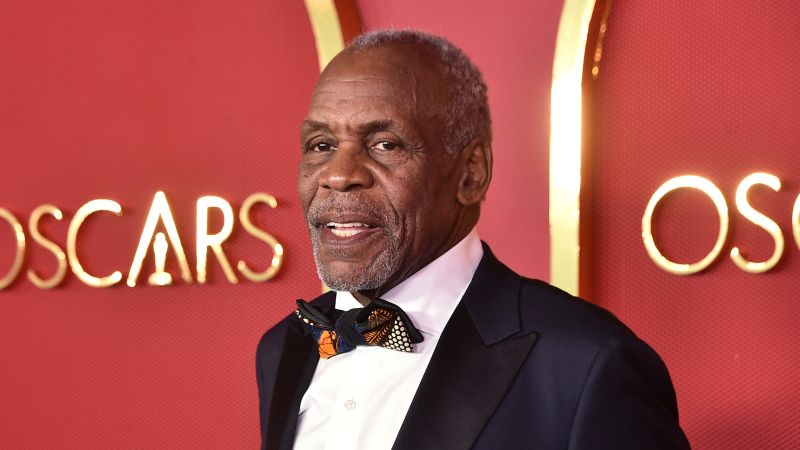
Actor and Activist Danny Glover Shares Alzheimer’s Diagnosis
Actor and activist Danny Glover says – Danny Glover, a celebrated figure in both entertainment and social advocacy, has disclosed that he has been living with Alzheimer’s disease for the past three years. Known for his iconic role as the laid-back, compassionate police officer in the “Lethal Weapon” film series, Glover has now opened up about his struggle with the progressive neurological disorder that affects memory and cognitive function. The actor, who will celebrate his 80th birthday on July 22, shared his diagnosis during a recent interview with “Today” and People magazine, offering a candid glimpse into his personal journey with the condition.
A Career of Impact
Glover’s career has spanned decades, marked by a blend of artistic achievement and activism. Beyond his work in film, he has also made significant contributions to television, earning four Emmy Award nominations for his performances. His accolades extend beyond the screen, including an honorary Oscar in 2022, which recognized his lifetime achievements in the entertainment industry. The actor has also been honored by organizations such as the NAACP and Black Entertainment Television, highlighting his influence both in front of and behind the camera.
His dedication to social causes has been equally impactful. Glover has long been an advocate for racial justice, education, and community empowerment, using his platform to amplify voices that are often overlooked. As a goodwill ambassador for the United Nations Development Program from 1998 to 2004, he focused on addressing poverty, disease, and economic disparities across Africa, Latin America, and the Caribbean. This work underscored his commitment to global equity, a theme that has resonated throughout his career.
Despite the challenges posed by Alzheimer’s, Glover remains actively engaged in his craft and his mission. He has continued to participate in projects, sharing his wisdom and experience with audiences and fellow artists. His resilience in the face of the disease serves as an inspiration, demonstrating how individuals can maintain purpose even as their cognitive abilities evolve.
The Fight Against Alzheimer’s
Alzheimer’s disease, the most prevalent form of dementia, is a complex condition that gradually erodes memory and thinking skills. According to recent data, over 6 million people in the United States are currently living with the disease, while millions more are affected globally. The progression of the disorder can vary, but it often leads to difficulties in daily functioning, emotional regulation, and communication. Glover’s diagnosis has brought renewed attention to the importance of early detection and support systems for those navigating the condition.
During the interview, Glover reflected on the emotional weight of his diagnosis. “I’m still not accepting in my mind all parts of it,” he told People magazine.
“There are the moments that you keep remembering that validate the fact that you can remember stuff. And there are moments I’ll never forget.”
His words capture the duality of living with Alzheimer’s—moments of clarity and moments of confusion, each reinforcing the resilience of the human spirit.
Glover’s openness about his condition has sparked conversations about the intersection of aging, health, and identity in the public eye. As someone who has long been a role model for both his artistic work and his activism, his candidness adds a layer of vulnerability to his legacy. This honesty also highlights the need for greater awareness and understanding of Alzheimer’s, particularly within communities where cultural and social factors may influence perceptions of the disease.
A Legacy Beyond the Screen
While Glover’s filmography includes a wide range of roles, his impact extends far beyond the spotlight. He has been a vocal proponent of African American representation in media, often speaking out about the importance of authentic storytelling and diverse perspectives. His work in television and film has not only entertained but also educated audiences on issues of race, justice, and human connection.
His commitment to social change is further exemplified by his involvement with the United Nations Development Program, where he worked to address systemic inequalities and improve living conditions in underserved regions. This role aligned with his broader advocacy efforts, which include supporting educational initiatives and promoting policies that foster equity. Glover’s ability to balance his creative pursuits with his activism speaks to his multifaceted legacy.
Even as he navigates the challenges of Alzheimer’s, Glover continues to engage with his audience and his community. He has expressed hope that his experience will encourage others to seek early diagnosis and treatment, emphasizing that awareness is a critical step in managing the disease. His message is clear: while Alzheimer’s may alter the way he remembers things, it does not diminish his ability to contribute meaningfully to the world around him.
In addition to his work with the UNDP, Glover has been a fixture in cultural movements, leveraging his influence to support causes such as environmental sustainability and youth education. His ability to connect with people across different walks of life has made him a respected figure in both Hollywood and global activism. As he continues to share his story, he reinforces the idea that personal challenges can become powerful tools for collective progress.
Reflections on Memory and Identity
Glover’s diagnosis has also prompted him to reflect on the nature of memory and its role in shaping identity. He has spoken about how moments of recognition—whether they are personal milestones or shared cultural experiences—provide a sense of continuity despite the disease’s encroachment. These reflections highlight the emotional journey of living with Alzheimer’s, as well as the importance of preserving memories through art, dialogue, and connection.
As the disease progresses, Glover has described how it affects his daily life, from forgetting conversations to struggling with familiar tasks. Yet, he has remained determined to share his story, believing that transparency can foster empathy and understanding. His recent interviews underscore a growing awareness of the disease’s impact on individuals and families, encouraging a broader conversation about health, aging, and the human experience.
For those who have followed Glover’s career, his diagnosis adds a new dimension to his public persona. It transforms him from a symbol of strength and creativity into a representative of the ongoing battle against Alzheimer’s. His journey also serves as a reminder of the importance of mental health care, particularly for older adults who may face unique challenges as they age.
Glover’s story is a testament to the power of resilience and adaptability. While Alzheimer’s has altered his cognitive landscape, it has not erased his contributions or his ability to inspire. His continued engagement with the world, despite the disease’s effects, underscores the idea that identity is not solely defined by memory but also by the enduring impact one leaves behind.
As the global Alzheimer’s community grows, Glover’s experience adds a valuable perspective to the discourse. His words, combined with his lifelong commitment to advocacy, position him as a figure who bridges the personal and the universal. By sharing his journey, he not only raises awareness but also reinforces the importance of community, empathy, and perseverance in the face of adversity.
In the years ahead, Glover’s legacy will continue to evolve. Whether through his art, his activism, or his personal story, he remains a beacon of influence and insight. His diagnosis, while a challenge, has become a part of his narrative—one that highlights the intersection of health, identity, and purpose in a life well-lived.