
Trump is playing with economic fire by calling the peace deal with Iran ‘over’
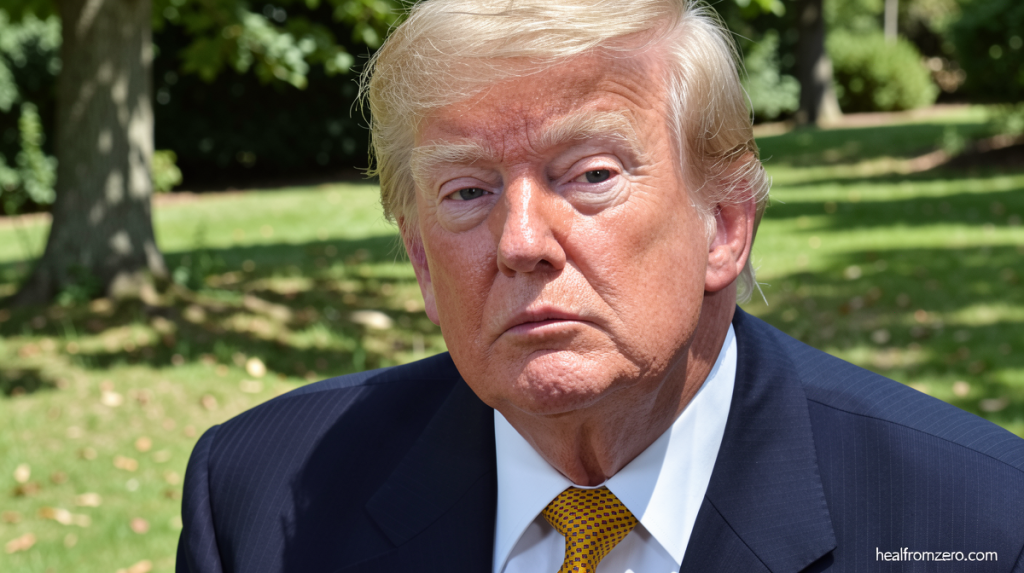
Trump Is Playing with Economic Fire as Iran Deal Hangs in Balance
A Fragile Diplomatic Window
Trump is playing with economic fire as President Donald Trump navigates a precarious situation following his declaration that the peace deal with Iran is over. The administration secured a brief reprieve through diplomatic engagement, though the duration of this truce remains highly uncertain. The Memorandum of Understanding finalized on June 18 provided approximately three weeks of tentative calm, granting the White House additional negotiating leverage. During this critical period, energy markets responded with visible relief as crude prices declined beneath their pre-conflict baseline. The partial reopening of the Strait of Hormuz enabled petroleum to resume its journey from the Persian Gulf, where supplies had been accumulating for several months. Consumers noticed this stabilization reflected in gradually decreasing gasoline costs at the pump. However, experts caution that three weeks represents insufficient time to address the most severe disruption to global oil supply in recorded history.
Stockpile Concerns and Economic Vulnerability
The United States requires adequate reserves to maintain energy security and prevent what Trump characterized as potential economic disaster. Trump is playing with economic fire by allowing stockpiles to deplete further during this fragile period. The administration fears that depleted reserves could trigger comparisons to Herbert Hoover, whose presidency coincided with the Great Depression. Emergency reserves have experienced substantial reduction since hostilities began. The Strategic Petroleum Reserve currently holds 319.5 million barrels, representing a 23 percent decline from pre-war measurements. This figure marks the lowest level since the Reagan administration initiated systematic filling of the facility in 1983. Commercial inventories present equally concerning conditions. Cushing, Oklahoma serves as America’s central pipeline hub, yet storage levels there remain below operational thresholds. Despite a recent recovery of approximately 700,000 barrels, total inventories stay under 20 million barrels—a critical threshold where the facility encounters difficulties distributing crude to refineries nationwide.
Shipping Costs and Market Dynamics
Andy Lipow, president of Lipow Oil Associates, reported that roughly 200 million barrels navigated through the Strait of Hormuz during the three-week period. This volume corresponds to two days of worldwide petroleum consumption. However, complications persist regarding Iranian crude specifically. The Trump administration reimposed sanctions on Iranian oil on Tuesday, establishing a ten-day window for purchasers to acquire the supply before restrictions take effect again. Approximately 60 million barrels fall into this category. Transportation economics reveal significant disparities. Lipow noted that chartering a tanker to transport oil from outside the strait to Asian markets requires between $4 million and $5 million. Vessels willing to navigate through the strait demand $8 million to $10 million—essentially double the expense. Trump is playing with economic fire by allowing these elevated shipping costs to persist without decisive action.
Current Market Conditions
Navigation traffic has stabilized at approximately one-third of normal levels over recent weeks. Reuters reported that at least four oil and gas tankers reversed course this morning after attempting passage through the strait. Despite these challenges, oil continues flowing, though Brent crude futures traded just below $78 per barrel, representing a 4 percent increase and marking the highest level since the MOU’s signing. The bond market demonstrated particular sensitivity to these developments. The ten-year US Treasury yield climbed to 4.57 percent, reaching its highest point since late May when oil prices peaked during wartime and ceasefire prospects appeared uncertain. Trump’s administration has historically responded to market volatility. When bond yields exhibit what observers describe as nervous behavior, the White House tends to adjust policy accordingly. This pattern suggests Trump is playing with economic fire by waiting too long to address mounting pressures.
Looking Ahead
Uncertainty dominates the outlook. Analysts cannot yet determine whether current tensions represent a temporary fluctuation or signal renewed comprehensive conflict. Trump threatened Wednesday to reinstitute America’s naval blockade of the strait, though maritime traffic continues despite elevated risk premiums. Should the strait close once more, American economic stability faces considerable threat. Trump emphasized this concern during a G7 gathering in late June, stating:
I didn’t want to see economic catastrophe. If you kept this going, that could have happened.
Investors remain watchful, recognizing that the current peace arrangement provides temporary relief rather than permanent resolution to the energy security challenges confronting the nation. Trump is playing with economic fire as the administration balances diplomatic engagement against mounting market pressures.