
OpenAI in talks to give Trump administration a 5% stake in the company, FT reports
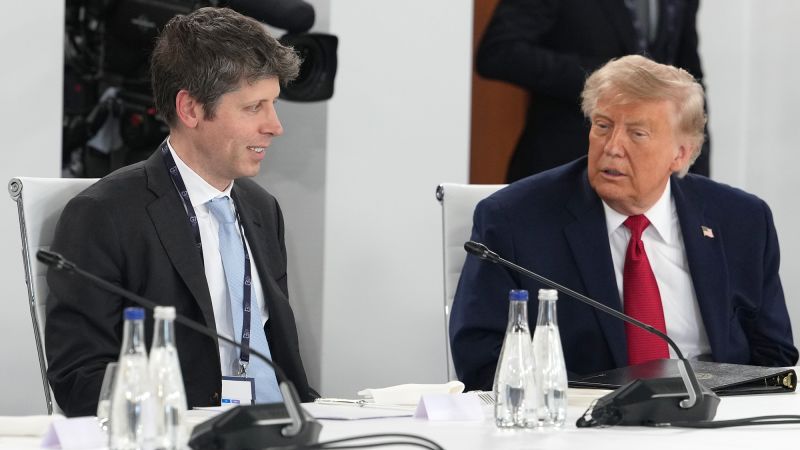
OpenAI in Talks to Give Trump Admin 5% Stake, FT Reports
OpenAI in talks to give Trump administration a 5% equity stake in the company, as reported by the Financial Times. The deal, which is still in early stages, could see the government acquiring a significant share of the firm’s value to gain influence over its operations and strategic direction. This proposal comes amid heightened federal interest in AI governance, with the White House exploring ways to ensure public oversight of tech innovations that shape national priorities. Two unnamed sources close to the negotiations revealed that the plan involves ceding 5% of OpenAI’s shares to a government-backed investment fund, mirroring models used in other sectors to distribute economic benefits to citizens.
Public Equity and AI Growth
Sam Altman, CEO of OpenAI, has expressed support for the idea of public ownership, framing it as a means to democratize the financial gains of AI breakthroughs. The Financial Times noted that this approach aligns with broader efforts to redirect corporate profits toward public initiatives, such as funding infrastructure or social programs. By offering a 5% stake to the Trump administration, OpenAI would set a precedent for other tech companies, potentially reshaping how AI wealth is allocated. This move could also serve as a safeguard against monopolistic practices, ensuring that advancements in AI remain accessible to the broader population.
“The 5% stake would act as a public wealth fund, allowing citizens to share in the growth of AI technology,” said the Financial Times in its analysis of the proposal.
The idea draws parallels to the Alaska Permanent Fund, which channels oil revenues into a diversified portfolio for residents’ benefit. If implemented, OpenAI’s stake would provide the government with a direct financial stake in the company’s future success while also offering a mechanism for public investment in AI innovation. This framework could incentivize broader participation in the tech sector, fostering a sense of collective ownership over transformative technologies.
Government Oversight and AI Partnerships
President Trump’s administration has long championed American leadership in emerging technologies, viewing AI as a critical tool for economic and strategic dominance. The plan to grant a 5% stake in OpenAI reflects this vision, aiming to integrate the firm more closely with federal goals. In recent months, the White House has intensified its engagement with AI companies, seeking partnerships that align with national interests. This includes discussions about limiting access to advanced models like GPT 5.6 to government-approved entities, a measure intended to curb potential risks while securing the administration’s influence over AI development.
OpenAI’s potential stake could also serve as a strategic move to secure regulatory support for its projects. The company has faced mounting pressure from lawmakers to address concerns over data privacy, job displacement, and algorithmic bias. By offering a 5% equity share to the Trump administration, OpenAI may gain leverage in shaping the future of AI policy. This arrangement would allow the government to benefit from OpenAI’s market success while ensuring the company remains accountable to public interests. The Financial Times emphasized that such a deal could set the stage for a new era of collaboration between the private sector and federal authorities.
Market Listings and Financial Transparency
As OpenAI prepares for its potential public listing, the 5% stake proposal could influence how it structures its financial offerings. A $852 billion valuation from March’s funding round suggests the stake could be worth nearly $42.6 billion, a substantial sum that would provide the government with significant returns. This scenario highlights the intersection of public ownership and market dynamics, where AI firms balance private investment with federal participation. The Financial Times noted that the plan might be formalized through an act of Congress, ensuring legal clarity and public accountability for the stake’s management.
The 5% stake in OpenAI would not only benefit the government but also create a precedent for other AI companies. Anthropic, developer of Claude AI, is reportedly considering similar arrangements, signaling a potential industry-wide shift toward public investment. This trend could address growing public concerns about the concentration of wealth in tech giants, offering a more equitable distribution of benefits. However, the proposal also raises questions about corporate autonomy and the long-term implications of government ownership in a rapidly evolving field. As the discussions progress, the financial and political stakes for both OpenAI and the Trump administration continue to rise.