
Gas prices back at $4 a gallon
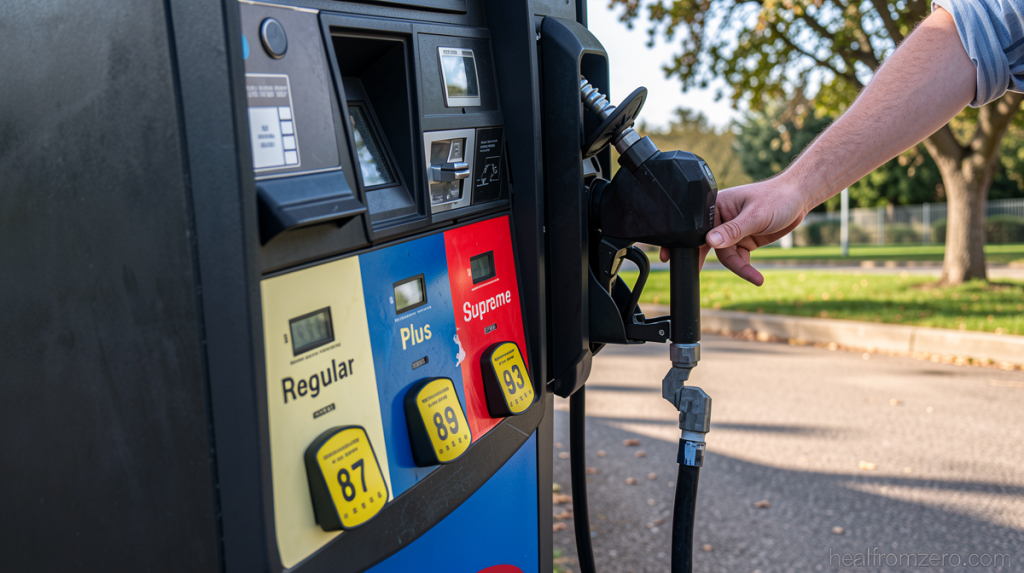
Motorists Face $4 Per Gallon Fuel Costs Amid Escalating Middle East Tensions
Healfromzero.com – American consumers are once again confronting the psychological barrier of four dollars for a single gallon of gasoline. According to AAA’s latest data, the national average climbed past this significant milestone on Monday. This resurgence in fuel costs coincides with heightened military confrontations between Washington and Tehran, which have severely hampered oil transportation routes through the strategically vital Strait of Hormuz.
Historical Context and Recent Volatility
Drivers first witnessed fuel prices breach the four-dollar threshold on March 31, marking the beginning of a turbulent period for the energy sector. Since the outbreak of hostilities, the average cost has surged dramatically from $2.98 per gallon. This sharp increase stems largely from the disruption of most oil shipments traversing the critical maritime passage.
During the initial weeks of May, gasoline reached a four-year peak of $4.56 per gallon. Optimism subsequently developed as diplomatic efforts between the two nations progressed, leading to hopes that the waterway would reopen and free trapped tankers in the Persian Gulf. A memorandum of understanding was eventually signed on June 14, temporarily easing tensions and pushing prices below four dollars once more.
However, the reprieve proved short-lived. Tehran resumed its assaults on commercial vessels attempting to navigate the strait, while Washington responded by imposing a blockade on Iranian ports. Consequently, pump prices began their upward trajectory once again, accumulating approximately thirteen cents over the previous seven days.
Market Dynamics and Political Implications
The surge in gasoline costs parallels movements in crude oil markets. Brent crude oil briefly surpassed $90 per barrel on Monday, marking the first time since early June that it reached such levels. Over the course of the past week alone, Brent has appreciated by roughly sixteen percent. Meanwhile, West Texas Intermediate, serving as the primary American benchmark, has gained around twelve dollars per barrel during this month.
These elevated fuel costs present challenges for President Donald Trump and the Republican Party as they approach the November midterm elections. In response to the renewed price increase, White House spokesperson Taylor Rogers offered reassurance to the public.
As the U.S. military degrades the terrorist Iranian regime’s ability to attack commercial vessels and disrupt the free flow of energy through the Strait of Hormuz, oil and gas prices will plummet back to pre-conflict levels.
President Trump remains committed to unleashing American energy dominance, cutting costs, and putting more money back in the pockets of hardworking American families.
Expert Analysis and Regional Variations
Despite official optimism, industry specialists caution that returning to pre-war averages of $2.98 may require several months or even longer. Historical patterns demonstrate that fuel costs typically decrease at a slower pace than they increase. This phenomenon occurs because most gas stations operate as small enterprises with minimal profit margins. These businesses determine retail prices based on their operational expenses, particularly wholesale gasoline costs. When wholesale prices decline, these retailers often hesitate to reduce consumer prices immediately.
Geographic disparities remain significant across the nation. Approximately fifty percent of American states currently report averages below the four-dollar mark. Indiana maintains the lowest national average at $3.35 per gallon, whereas California stands as the most expensive state at $5.49. Washington state and Hawaii also exceed the five-dollar threshold, according to AAA figures.
Tom Kloza, an independent oil analyst who advises Gulf Oil, indicates that immediate relief appears unlikely. Recent gasoline futures suggest an additional ten to twenty-five cent increase over the coming week. “That’s baked in,” Kloza noted regarding the projected rise.
Beyond the Middle East conflict, additional factors contribute to rising costs. Kloza highlighted Ukraine’s recent drone strikes targeting Russian refineries as another significant element. “Russia has had to import gasoline, whereas they’ve been a net seller for many, many years,” he explained. “It has raised fears in markets of a refined product shortage. And no matter how much gasoline we make here, it is a global market.”
Compounding these international pressures is the timing within the United States. We are currently experiencing peak driving season, during which consumer demand for fuel reaches its maximum level. Kloza predicts that this robust demand will sustain upward pressure on gasoline prices through the Labor Day holiday weekend.