
These ‘invisible buildings’ are hidden in the desert
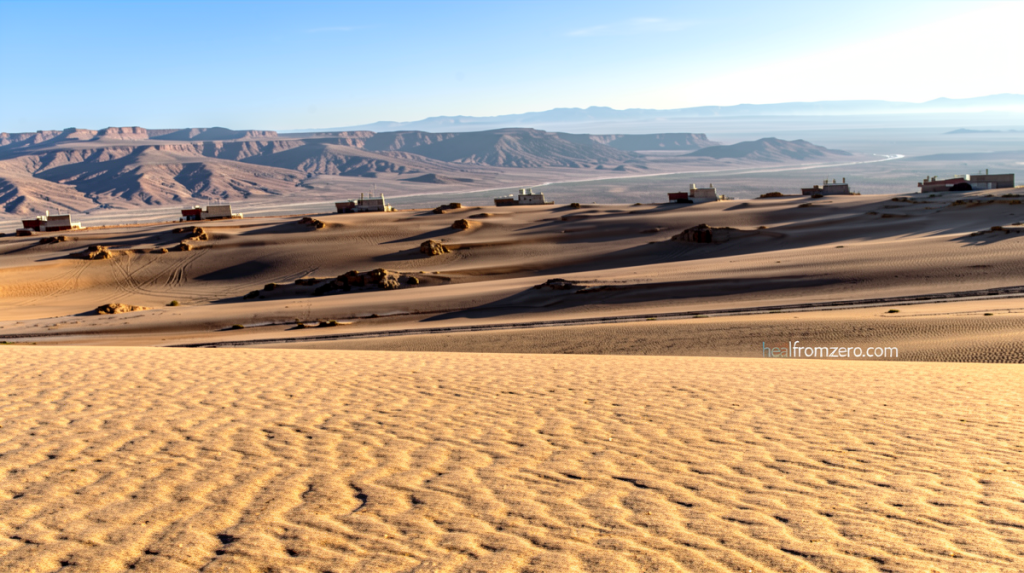
Hidden Sanctuaries: Namibia’s Quest for Architectural Invisibility
These invisible buildings are hidden – While many luxury accommodations strive to be noticed—featuring towering converted castles and infinity pools suspended nearly a thousand feet above the earth—Namibia is pioneering a different philosophy. High-end retreats across this southern African nation are deliberately constructed to remain elusive, embracing what has become known as invisible architecture. These establishments seek to provide an exclusive experience by merging harmoniously with some of the most remote landscapes on Earth.
The Skeleton Coast’s Maritime Mirages
Among the world’s most isolated regions lies Namibia’s Skeleton Coast, a 310-mile stretch of sand where massive dunes cascade toward shores scattered with maritime relics. Within this desolate territory, often called “The Gates of Hell,” wildlife including lions, elephants, and sharks navigate among abandoned vessels. Rusting shipwrecks serve as the primary evidence of human presence until one looks more carefully through the Atlantic mist.
Hidden among ten beached structures in Skeleton Coast National Park sits Shipwreck Lodge, a collection of luxury cabins crafted to resemble the grounded boats that gave the region its name. Alongside bleached whale and seal bones from the whaling period, these vessels form the foundation of the lodge’s design concept. Architect Nina Maritz, a notable Namibian designer, opened the property in 2018 with the intention of capturing the urgency felt by stranded sailors seeking refuge centuries past.
When you get there, there is a really strong sense of remoteness, of being really in the middle of nowhere, the farthest away from anywhere you can get on the planet.
Maritz described the emotional transformation that occurs when entering these structures. She noted that the sudden quiet and protection from wind creates a cathartic experience rarely encountered in modern life. The design aims to recreate the feeling of exhaustion giving way to sanctuary after enduring sun, sand, and wind throughout the day.
So when I designed the building, I wanted to kind of recreate that feeling so that people can go there and they can get that feeling of, ‘I’m exhausted. I’ve been in the sun and the sand and the wind all day and now I have refuge.’ It’s this contrast between the scale and the immensity of the landscape and how much bigger it is than we are.
Subordination to Nature
Inside the cabins, modern comforts await weary guests. King-size beds, private bathrooms, and Wi-Fi connectivity provide luxuries far surpassing what historical castaways could have constructed from broken ship materials. However, the visual strategy extends beyond mere imitation of rudimentary designs.
Maritz believes that structures placed within natural settings should never overshadow their surroundings. The cabins utilize weathered timber—a material simple enough to extract if the Namibian government’s concession eventually concludes—and are positioned deliberately to avoid disrupting the horizon line.
The whole experience of a place like the Skeleton Coast is that we are not here to dominate. We are subordinate, so it is very important that we place it in some way that we don’t see it.
She criticized contemporary architecture for becoming overly focused on aesthetics at the expense of other essential functions. Rather than creating fashion statements, Maritz prioritizes building eternal structures designed for long-term service.
The Granite Villa of Damaraland
Journeying inland to Damaraland’s rocky desert plains reveals another establishment committed to remaining undiscovered. Onduli Enclave takes a different approach to invisibility—the architecture itself becomes part of the landscape rather than being hidden by it. Perched high within a granite formation overlooking Brandberg Mountain, Namibia’s tallest peak, this private villa offers resort amenities within the arid boundaries of the Doro Nawas Conservancy.
This 1,540-square-mile conservancy supports approximately 1,500 residents while hosting diverse wildlife including black rhinos, leopards, and cheetahs. The villa appears to float on stilts, featuring reddish-tinted roofs that harmonize with surrounding rock formations. Interconnected canopied rooms connect via stairs leading to outdoor amenities including a pizza oven, campfire circle, and swimming pool. Three climate-controlled suites equipped with frameless glass doors complete this remarkable desert retreat.