
What to know about cyclospora, the gut-churning parasite causing illness in several states, and how to avoid it
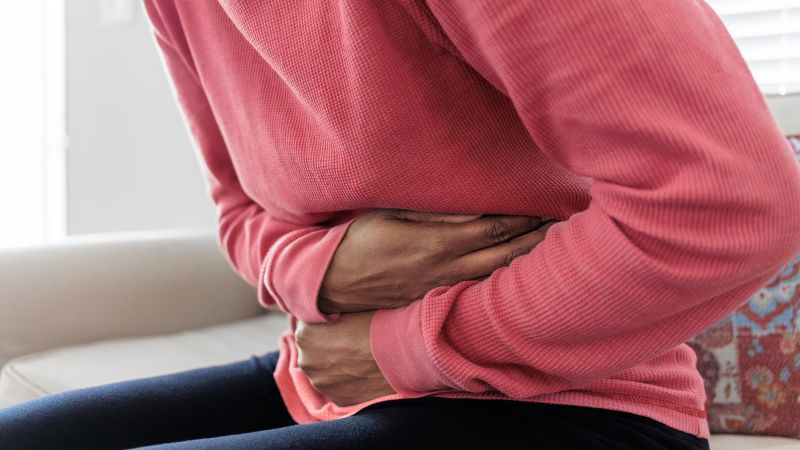
Understanding Cyclosporiasis: A Persistent Parasitic Threat
What to know about cyclospora the gut – When a stomach bug lingers longer than expected, it could signal a more serious condition known as cyclosporiasis. This parasitic infection is notorious for causing severe, prolonged gastrointestinal distress, including debilitating diarrhea, cramps, and bloating. While many such illnesses are short-lived, cyclosporiasis has the potential to persist for weeks, leaving individuals weakened and uncomfortable. Recent data shows that several states in the U.S. are reporting a significant surge in cases, far exceeding typical seasonal patterns. Michigan, for instance, has seen an unusual spike, with 681 confirmed cases since June 22—more than 13 times its average annual total of 50. Ohio and New York are also experiencing elevated numbers, with 177 and 112 cases reported so far this year, respectively.
Rising Cases Across Multiple States
The spike in infections has raised concerns among public health officials. Michigan’s outbreak, in particular, has drawn attention due to its scale and the suggestion of a common source. Similarly, Ohio has reported 171 cases in June alone, with most emerging since June 20. New York, outside of its urban centers, has seen 107 cases since May 1. While these numbers are alarming, the exact cause of the outbreaks remains under investigation. Some states have also reported cases, but it’s unclear whether these are interconnected or isolated incidents.
Cyclosporiasis is primarily linked to the parasite *Cyclospora cayetanensis*, which spreads through contaminated food or water. The infection is typically contracted when people consume undercooked produce or drink from sources tainted with human waste. Recent outbreaks have often been traced to raw fruits and vegetables, such as leafy greens and berries, which can be challenging to thoroughly clean. Recreational water sources, like lakes, water parks, and splash pads, have also been implicated as potential vectors.
Distinguishing Cyclospora from Other Pathogens
Unlike bacteria such as *E. coli* or *Salmonella*, which are easier to track using DNA sequencing, cyclospora presents unique challenges. Dr. Max Teplitski, a former leader of the USDA’s Division of Food Safety and now chief science officer at the International Fresh Produce Association, highlights this complexity. “Cyclospora is a weird one,” he noted. “The genetics of these parasites change rapidly, making it difficult to establish a direct link between cases.”
“With no molecular testing to guide the investigation, solving an outbreak depends on shoe-leather detective work done by epidemiologists who follow up with each person confirmed to have the infection,” Teplitski explained. This involves detailed interviews about food consumption, hydration, and potential exposures. However, people often struggle to recall their exact meals, prompting investigators to analyze data from grocery receipts and credit card transactions to piece together patterns.
The process of identifying cyclospora outbreaks is more labor-intensive compared to bacterial infections. While PulseNet—a national network of surveillance labs—uses DNA sequencing to detect outbreaks by comparing bacterial fingerprints, this method isn’t effective for cyclospora. That’s because the parasite has a dynamic genetic structure. It reproduces through a process involving sexual reproduction, where male and female forms exchange genetic material. As a result, each generation of parasites exhibits a different genetic profile, complicating efforts to trace the infection’s origin.
The Life Cycle and Transmission of Cyclospora
Cyclospora cayetanensis is a microscopic single-celled organism that spreads through the fecal-oral route. Once ingested, the parasite undergoes a transformation in the intestines. It first develops into an oocyst, which is the egg-like stage, before multiplying. This life cycle is akin to a scene from a sci-fi film: the parasite differentiates into male and female forms, engages in sexual reproduction, and then releases new oocysts into the environment. This stage is critical because the oocysts can survive for weeks in moist conditions, waiting to be ingested by another host.
Transmission is most common through contaminated food or water, especially when individuals consume raw produce. Berries, fresh herbs, and leafy greens are particularly vulnerable due to their delicate surfaces, which can harbor the parasite even after washing. Additionally, recreational water sources—like lakes and water parks—can become contaminated when people swim in water containing fecal matter from infected individuals. This highlights the dual role of food and water as potential carriers of the parasite.
Investigating Outbreaks: A Multi-Faceted Approach
Identifying the source of cyclospora outbreaks requires a combination of epidemiological research and environmental analysis. While DNA sequencing helps track bacterial outbreaks, it’s less useful for cyclospora. Instead, investigators must rely on detailed patient interviews, along with data from purchase records and environmental samples. This painstaking process often involves cross-referencing timelines and locations to pinpoint shared exposures.
Teplitski emphasized the importance of examining water sources, suggesting that recreational activities might be a hidden factor. “We certainly hope they go back and ask patients about their experiences in lakes or water parks,” he said. “These are all potential sources of the same parasites.” The challenge lies in determining whether the outbreaks are connected or if each case stems from a separate contamination event.
Prevention and Public Health Implications
Preventing cyclosporiasis involves vigilance in food handling and water safety. Ensuring thorough washing of fruits and vegetables, particularly those with rough textures, can reduce risk. In addition, avoiding contaminated recreational water and maintaining good hygiene practices, such as handwashing after using the restroom, is crucial. Public health campaigns often focus on educating consumers about the risks of raw produce and the importance of safe food preparation.
The recent surge in cases underscores the need for improved surveillance and response strategies. While the exact cause of the outbreaks remains under scrutiny, the trend highlights the growing prevalence of cyclosporiasis in the U.S. and its potential to affect multiple states simultaneously. As investigations continue, understanding the parasite’s behavior and transmission patterns will be key to mitigating future outbreaks.