
American pilot killed by rebels in Papua, says Indonesian military
American Pilot Killed in Papua Conflict, Says Indonesian Military
American pilot killed by rebels in Papua – Indonesian military officials confirmed on Friday that they had retrieved the body of an American pilot who was fatally shot by rebels in the conflict-torn eastern region of Papua. The incident, described as a “message” to both the U.S. and Indonesian governments, occurred after the pilot’s aircraft landed in the Yahukimo district of Highland Papua province. The military spokesperson, Wirya Artadiguna, stated the separatist group behind the attack had been identified, and the pilot’s remains had been safely evacuated from the area.
Background of the Conflict
The region of Papua, known for its rich natural resources and mountainous terrain, has been a hotspot for separatist movements for decades. A low-level but persistent struggle for independence has intensified in recent years, with attacks by armed rebels becoming more frequent and deadly. The West Papua National Liberation Army (TPNPB), a separatist group, has been at the forefront of these efforts, accusing the Indonesian military of suppressing local autonomy and violating the rights of Papuan civilians.
Sebby Sambom, a TPNPB spokesperson, explained the attack on Thursday, emphasizing that the group’s forces had targeted the American pilot, Nicholas F. Gosselin, after his plane was found to be “frequently dropping Indonesian military personnel” and “violating the TPNPB’s ultimatum.” According to Sambom, the pilot’s aircraft had entered rebel-controlled “red zones” in Papua, areas designated as high-risk zones where the separatists claim the military’s presence is unjust. The group also claimed responsibility for setting the plane on fire following the fatal shooting.
“This attack was a clear statement to the Indonesian and U.S. governments for failing to address the root causes of the conflict in Papua between the military and our forces,” Sambom stated. “We will continue our operations if the authorities persist in allowing civilian aircraft to enter these areas.”
Previous Incidents and Escalation
The TPNPB has a history of dramatic actions against foreign pilots. In February 2023, the group kidnapped New Zealand pilot Phillip Mehrtens after his small commercial plane landed in the remote, mountainous district of Nduga. Mehrtens was held captive for over 18 months before being released in September 2024, a move that drew international attention and underscored the group’s tactics of using foreign nationals as leverage.
While the recent attack on the American pilot marks a new chapter in the group’s campaign, it follows a pattern of escalating tensions. The separatists have increasingly relied on advanced weaponry, which has made their attacks more lethal. This trend has raised concerns among local and international observers, who note the growing threat to both military and civilian targets in the region.
PT AMA and Regional Connectivity
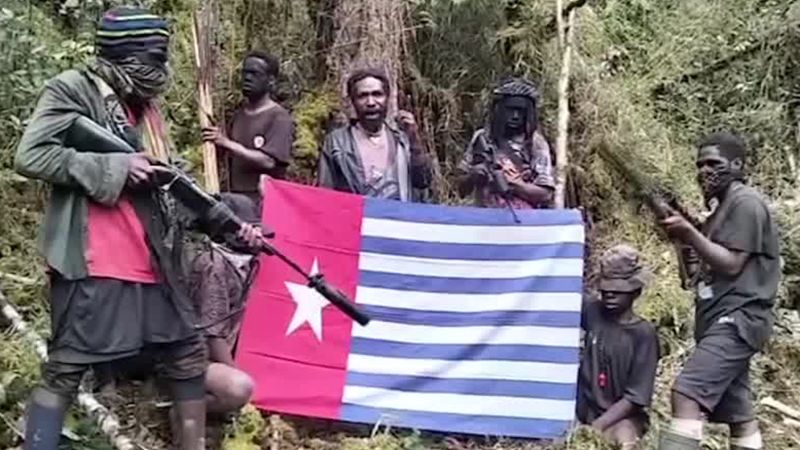
The aircraft involved in the latest incident was operated by PT AMA, a regional airline that plays a vital role in connecting remote villages across Papua. According to the company’s website, its planes transport essential supplies like food, fuel, and mail to isolated communities. The TPNPB released a video showing rebels armed with guns and axes raising the “Morning Star” flag, a symbol of Papuan independence, as they announced the attack. The footage highlights the group’s determination to challenge both the Indonesian military and foreign involvement in the region.
PT AMA has not yet commented on the incident, but the attack has sparked discussions about the safety of commercial flights in Papua. Officials previously reported that the pilot’s aircraft carried seven passengers, all Papuans, who were unharmed. The military is currently investigating the identities of the perpetrators and assessing the broader implications of the incident for regional stability.
International Response and Ongoing Tensions
The U.S. embassy in Jakarta has not yet issued a formal statement regarding the killing, though the event has already drawn scrutiny. The Indonesian military’s actions in the region are often criticized by Papuan activists, who argue that the armed forces have historically targeted civilians in their efforts to quell the separatist movement. This latest attack, however, has shifted the narrative to include foreign pilots as potential symbols of colonial influence.
Analysts suggest the TPNPB’s message to the U.S. government may reflect growing frustration over perceived Western support for Indonesia’s military operations. The group has previously called for the withdrawal of foreign military aid and accused the U.S. of backing policies that exacerbate the conflict. With the recent incident, the separatists aim to highlight the interconnectedness of their struggle with international actors and to pressure both governments into dialogue.
Historical Context and Future Outlook
Papua’s separatist movement traces its roots to the 1960s, when the region was part of Indonesia’s newly formed nation. The Papuan people, who have long sought self-determination, have faced challenges from both internal and external forces. The Indonesian military’s presence in the area has been a central point of contention, with rebels accusing the forces of human rights abuses and cultural suppression.
While the current conflict remains low-key compared to other regions, the TPNPB’s actions indicate a willingness to escalate if their demands are not met. The group has called for the establishment of an independent Papuan state, and the killing of a foreign pilot is seen as a bold move to draw global attention to their cause. As the military continues its operations, the potential for further incidents involving international civilians remains a concern for both local and global stakeholders.
The incident in Yahukimo serves as a reminder of the delicate balance between security and sovereignty in Papua. With the region’s resources attracting economic interest and the separatist movement gaining momentum, the conflict is likely to persist. The fate of Nicholas F. Gosselin, and the broader implications of his death, may shape the future of diplomatic relations and military strategies in the area.