
Why people should be vigilant about food safety this July Fourth
Why Food Safety Matters This July Fourth
Why people should be vigilant about – As extreme heatwaves sweep across the United States and global regions this summer, the risk of heat-related health issues has intensified. With temperatures soaring and humidity levels rising, it’s essential to remain cautious about how we handle food during the Independence Day holiday. Dr. Leana Wen, a CNN wellness expert and former Baltimore health commissioner, emphasizes the need for vigilance in maintaining safe food practices to avoid illness. Her insights, combined with guidance from the Centers for Disease Control and Prevention (CDC), provide a roadmap for enjoying summer meals without compromising health.
Understanding the Risks of Foodborne Illness
The CDC reports that approximately 9 million cases of foodborne illness occur annually in the U.S., often linked to contamination by bacteria, viruses, or parasites. While most cases result in mild symptoms like nausea, vomiting, and stomach cramps, some can lead to severe complications requiring medical attention. Vulnerable populations—including older adults, young children, pregnant women, and those with compromised immune systems—are at greater risk, underscoring the importance of proactive measures.
“Foodborne illnesses are preventable, but they remain a significant public health concern,” Dr. Wen explains. “Even minor issues can disrupt celebrations, so it’s crucial to take steps to keep our food safe during high-heat conditions.”
Grilling Safely in the Heat
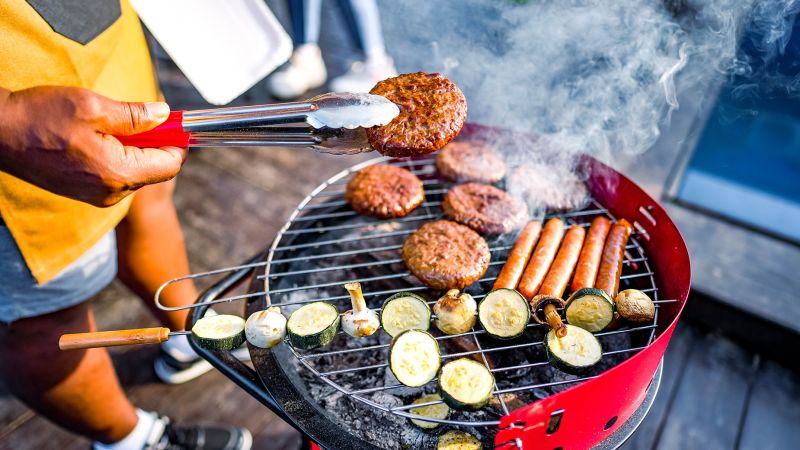
Outdoor gatherings, especially barbecues, are a staple of summer festivities. However, the combination of heat and humidity can accelerate bacterial growth, making it vital to follow specific guidelines. Dr. Wen highlights the importance of using an internal thermometer to ensure meat is cooked to safe temperatures. For example, chicken should reach at least 165°F, while ground beef requires 160°F. “This is the most reliable method to confirm that harmful pathogens are eliminated,” she notes.
Once cooked, food should be kept at 140°F or higher to prevent bacterial multiplication. Before grilling, raw meat should be refrigerated until ready to cook, and it’s recommended to remove it from the fridge just prior to placing it on the grill. This approach minimizes the time it spends at unsafe temperatures, reducing the chance of contamination.
Time-Sensitive Perishables in High Heat
When temperatures exceed 90°F, the window for safely leaving perishable foods unrefrigerated shrinks. The USDA advises that such items should be consumed within one hour of being exposed to heat, compared to the usual two-hour limit. Potato salad, cole slaw, and other cold dishes are particularly prone to spoilage, so prompt handling is key. “Time is your ally, but it’s also your enemy in hot weather,” Dr. Wen says.
For those grilling at parks or locations without refrigeration, a well-insulated cooler filled with ice becomes a critical tool. Raw meat should be stored at 40°F or below until it’s ready to cook, and using sealed bags can prevent cross-contamination with raw vegetables or fruits. “Separation is essential,” she adds. “Designate specific tools and containers for raw ingredients to avoid spreading germs.”
Hydration and Cooling Strategies
Alongside food safety, staying hydrated and managing body temperature are vital for a healthy July Fourth. Dr. Wen reminds us that high temperatures can lead to dehydration, which weakens the body’s ability to fight off infections. “Drink plenty of water, but don’t forget to replenish electrolytes,” she suggests. Additionally, wearing loose clothing, using fans, and keeping shaded areas cool can help mitigate the effects of the heat.
Handwashing: A Simple but Effective Measure
One often-overlooked step in preventing foodborne illness is thorough handwashing. Dr. Wen stresses that moving from handling raw meat to preparing other foods without cleaning hands can transfer harmful bacteria. “Wash your hands with soap and water after touching raw ingredients, especially before handling salads or serving food,” she advises. This practice not only protects against illness but also ensures that guests can enjoy meals without worry.
Addressing Concerns About Avian Flu
Recent outbreaks of avian flu have raised questions about the safety of poultry and eggs. Dr. Wen clarifies that as long as meat and eggs are cooked to the recommended temperatures, they remain safe for consumption. “The avian flu primarily affects birds, but when it comes to human health, cooking thoroughly is the best defense,” she explains. Milk, too, is safe to drink if it’s pasteurized, though she notes the importance of checking for any recalls or advisories related to dairy products.
Preventing Cross-Contamination and Other Tips
Proper storage and preparation techniques go beyond temperature checks. Dr. Wen recommends keeping raw meat separate from cooked items and using different utensils for each. “Label your tools to avoid mixing up contaminated and clean surfaces,” she says. Additionally, marinating meat in the fridge rather than at room temperature can further reduce bacterial growth. For those using charcoal grills, preheating them to a high temperature before cooking helps kill any existing microbes on the grates.
Portable coolers and ice packs are not only useful for keeping food cold but also for transporting ingredients safely. If a cooler isn’t available, using a thermos or insulated containers with ice can serve as an alternative. “The goal is to maintain a safe environment for food until it’s ready to be served,” Wen says. She also encourages people to plan meals in advance, ensuring that perishables are prioritized and handled quickly.
Enjoying the Holiday with Confidence
With these precautions in place, it’s possible to enjoy the Fourth of July without fear of food-related illnesses. Dr. Wen emphasizes that preparation and awareness are the cornerstones of safe summer eating. “By following simple steps like monitoring temperatures, keeping food refrigerated, and washing hands, you can protect yourself and others,” she concludes. As the heat continues to test our limits, these measures ensure that food safety remains a priority, allowing us to celebrate the holiday with both joy and peace of mind.