
A new plan to keep the Reflecting Pool clean – including annual purge of ‘nasty’ muck
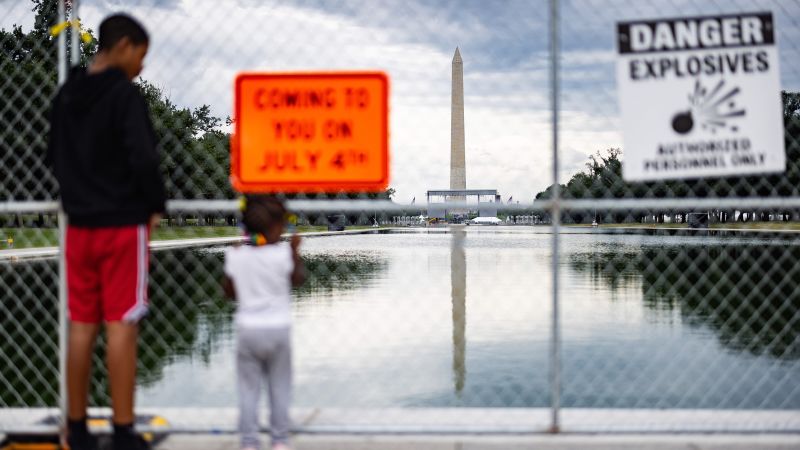
A New Maintenance Strategy for the Reflecting Pool – Addressing Years of Persistent Issues
A new plan to keep the Reflecting – The Lincoln Memorial Reflecting Pool, a central feature of Washington D.C.’s National Mall, is set to undergo a renewed effort to combat its long-standing maintenance challenges. This comes after the Trump administration’s extensive campaign to restore the iconic site to its former clarity, a goal that has dominated the pool’s upkeep for months. With the summer season in full swing, the Department of Interior has announced its intent to award a long-term contract to a specialized firm, aiming to streamline the pool’s ongoing care and address recurring problems that have plagued the landmark for years.
Challenges That Have Lingered Through the Years
Despite multiple rounds of repairs, the Reflecting Pool continues to face a range of issues. Public records reveal that it has suffered from excessive algae growth, resulting in a persistent green tint to its water. The pool’s infrastructure, including its chipped bottom and deteriorating lining, has also drawn attention. Additionally, instances of vandalism have added to the complexity of maintaining its pristine condition. These problems have not only affected the pool’s aesthetic appeal but have also raised concerns about its structural integrity and visitor experience.
The National Park Service plans to initiate the draining process for repairs following the Independence Day weekend, a critical step in addressing any damage to the pool’s foundation. This phase of maintenance is expected to last several weeks, with the pool being emptied to inspect and fix the lining, which has been a focal point of prior restoration efforts. The current bid process highlights the need for sustained, comprehensive care, as the Department of Interior seeks a contractor capable of managing the pool’s daily operations and long-term preservation.
Hydrogen Peroxide as a Temporary Solution
Earlier this month, the Trump administration took a more aggressive approach to tackle the algae problem by introducing hydrogen peroxide into the pool. This decision followed a series of complaints about the water’s murky appearance, which had become a point of contention among tourists and local residents. While the treatment provided immediate results, it underscored the growing urgency to implement a more permanent solution. The new maintenance plan includes a system that integrates advanced water treatment technologies to prevent such issues in the future.
As part of this initiative, a $1.7 million “ozone nanobubbler” was recently installed. This high-tech system works by releasing oxygen in the form of microbubbles, which target algae and other contaminants. By continuously purifying the water, the nanobubbler aims to reduce the need for frequent chemical interventions. However, the administration’s reliance on hydrogen peroxide suggests that the pool’s conditions remain unpredictable, requiring a multifaceted strategy to maintain clarity and cleanliness.
Contractor Bids and the Scope of Work
The Department of Interior has issued a formal request for proposals, detailing the full extent of tasks required for the pool’s maintenance. The contractor selected will be responsible for overseeing daily operations, including the removal of debris, leaves, and animal waste. The pool’s surrounding areas, such as the concrete edges and steel grates, will also be cleaned as part of the routine. The contract mandates monthly pressure washing of the coping stone, ensuring that the structure remains free from buildup and stains.
One of the most significant aspects of the new plan is the annual draining of the pool, scheduled for a two-week period in either February or March. This process allows for thorough cleaning and inspection, addressing the accumulated sludge and organic material at the bottom. The pool’s material, described as “slick and nasty,” is a combination of wet leaves, bird droppings, and other contaminants that can become airborne if left to dry. The contractor will monitor the water treatment system, troubleshoot any malfunctions, and ensure that the pool’s environment remains optimal for visitors and the surrounding ecosystem.
“For respiratory safety reasons, this material should never be allowed to dry, allowing it to dry makes it an airborne problem,” the request specifies.
Financial Commitments and Ongoing Concerns
The total cost of the Reflecting Pool’s restoration has already surpassed $14 million, far exceeding initial projections. This increase reflects the escalating demands of maintaining the site’s appearance and functionality, particularly as the administration’s efforts to transform the pool into a visually striking feature have intensified. The Department of Interior has not yet commented on the final cost estimates, but the bids are due by July 8, signaling a pivotal moment in determining the pool’s future.
Another critical concern remains the condition of the pool’s internal piping. The Interior Department has previously noted the need to repair or replace thousands of feet of deteriorating pipes, which have been a source of leaks and water quality issues for years. While the current focus is on surface-level improvements, the long-term success of the pool’s maintenance depends on resolving these underlying structural problems. The contractor’s role will also include routine inspections of the plumbing system to identify potential risks.
A Historical and Symbolic Landmark in Peril
The Reflecting Pool, originally constructed in the 1920s, has become a symbol of both national pride and the challenges of preserving public spaces. Its condition has drawn criticism from successive administrations, each grappling with the same recurring issues. The new plan, however, represents a shift toward more proactive and sustained maintenance, rather than reactive fixes. By combining advanced technology with manual labor, the administration hopes to create a more resilient system that minimizes disruptions to visitors and ensures the pool’s continued use as a centerpiece of the National Mall.
Environmental and maintenance experts have noted that the pool’s problems are not isolated to one administration. The algae and muck accumulation, for instance, are a result of both natural factors and human activity. The nanobubbler system and regular cleaning efforts aim to mitigate these issues, but they also highlight the ongoing struggle to balance preservation with the demands of modern usage. The contractor’s responsibilities, including the annual purge and daily upkeep, are designed to address these challenges systematically.
As the deadline for bids approaches, the focus remains on securing a reliable partner to manage the pool’s care. The proposed contract includes a two-year term, with the possibility of extension based on performance. This arrangement allows for flexibility in addressing unforeseen complications, such as seasonal changes in water chemistry or unexpected damage to the pool’s lining. The Department of Interior’s decision to allocate resources for this initiative underscores the importance of maintaining the Reflecting Pool’s reputation as a symbol of American heritage.
While the Trump administration’s efforts have brought attention to the pool’s condition, the long-term success of the plan will depend on consistent execution and funding. The cost overruns and technical challenges encountered so far serve as a reminder of the complexities involved in preserving such a high-profile site. As the pool prepares for its next phase of maintenance, the hope is that the combination of technology and human oversight will finally restore its original splendor, ensuring it remains a source of inspiration for generations to come.