
Turkey blocks American LGBTQ+ cruise from docking, citing ‘moral standards’
Turkey Blocks American LGBTQ+ Cruise from Docking, Citing Moral Standards
Turkey blocks American LGBTQ cruise – Turkish officials have prohibited a U.S.-focused LGBTQ+ cruise from docking in the nation’s ports, stating it violates “moral standards” and “family values,” according to the CEO of Atlantis Events, the company organizing the Mediterranean voyage. The “Athens to Venice” cruise, set to depart from Greece on July 5, was initially scheduled to stop in the bustling Turkish port of Kuşadası two days later before proceeding to Istanbul. However, local authorities in Turkey canceled the event, citing concerns about the group’s alignment with behaviors they deem incompatible with societal norms.
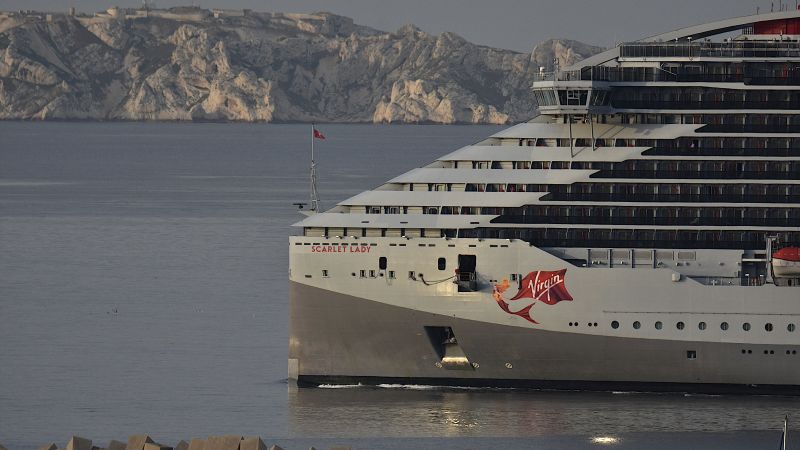
The Scarlet Lady, a cruise ship chartered by Atlantis Events, is owned by Virgin Voyages, a cruise line backed by Richard Branson. The vessel is expected to carry over 1,000 passengers from the United States, with approximately 1,100 of the 1,900 total travelers hailing from the U.S., as confirmed by Rich Campbell, the company’s president and CEO. The remaining passengers are from the United Kingdom, Canada, and Australia, among other nations. Atlantis Events now plans to alter the itinerary, with stops in Cairo, Egypt, and the Greek island of Crete replacing the Turkish ports.
Historical Context of the Ban
Turkey’s decision reflects a broader trend of the AK Party, led by President Tayyip Erdogan, adopting a more stringent stance against LGBTQ+ rights over the past decade. Since 2015, authorities have banned Pride marches in Istanbul, arguing that such events threaten public safety and national security. This latest action underscores the country’s growing resistance to LGBTQ+ visibility, particularly in public spaces.
“It’s pretty stunning, to be honest,” said Rich Campbell, president and CEO of Atlantis Events, in response to Turkey’s decision. “The reasoning behind it is that it’s a gay group.” He added, “It’s very concerning to me when a country decides they can pick and choose which tourists are allowed in and which are not.”
Campbell emphasized that this is the first time in 36 years the company has been “actively told we may not berth here because of who we are.” The blockage of the cruise, which was intended to offer a 10-day “epic adventure” for travelers, has sparked debate about the treatment of LGBTQ+ visitors in Turkey. The itinerary, described on Atlantis’ website as a journey to “great friends” and “sun-soaked destinations,” now excludes Turkish stops, shifting the focus to Cairo and Crete.
Broader Implications of the Ban
The decision has reignited discussions about how LGBTQ+ Pride Month has evolved in the context of political movements like MAGA and Trump’s presidency. While the original brochure for the cruise was not affiliated with Atlantis, it reportedly featured an image of a party at a bar in Istanbul, prompting a police raid. Officials claimed the incident was a result of the event’s association with the LGBTQ+ community, even though the company insists it is not a political entity.
“We are not there for anything except to spend money, have a good time, take tours and be incredibly respectful to every culture we visit,” Campbell stated. This highlights the tension between cultural exchange and perceived moral risks, as Turkey continues to enforce its conservative policies on foreign visitors.
The cruise’s cancellation has affected the travel plans of hundreds of passengers, including those from the U.S. and other Western countries. Atlantis Events broke the news to passengers on Thursday, explaining that the Turkish authorities had removed the port calls, leaving the company to adjust its route accordingly. The Scarlet Lady, which has been a popular vessel for LGBTQ+ travelers, now faces an uncertain future in the region.
Public Reaction and Future Outlook
Human rights organizations have expressed dismay over Turkey’s actions, calling them a setback for LGBTQ+ acceptance. The ban on Pride events and the recent cruise restriction illustrate a pattern of increasing scrutiny toward the community, even in leisure contexts. Critics argue that such measures not only limit personal freedoms but also send a message to international tourists about the country’s values.
Campbell noted that the cruise was designed to foster inclusivity and cultural immersion, with stops in Greece, Egypt, and Crete offering a mix of historical and modern attractions. The altered itinerary still promises an “epic adventure,” though the absence of Turkish ports may affect the overall experience. The company is now working to reassure passengers that the new route will maintain the quality and excitement of the original plan.
Meanwhile, the Turkish government has defended its stance, stating that the cruise’s presence in the country could be seen as a challenge to traditional values. The Aydin province, where Kuşadası is located, issued a statement asserting there is “absolutely no possibility of the group in question visiting our province for an event of this nature.” This marks a significant shift in Turkey’s approach to welcoming international tourists, as it increasingly prioritizes domestic cultural norms over global diversity.
As the cruise sets sail, questions remain about the long-term impact of such policies on Turkey’s tourism industry. While the country remains a popular destination, the exclusion of LGBTQ+ travelers may lead to a decline in bookings from certain demographics. The decision also raises concerns about the broader political climate, with critics suggesting that Turkey’s actions align with a more conservative agenda under the current administration.
Campbell has reached out to Turkey’s Ministry of Culture and Tourism, the Turkish embassy in Washington, and Virgin Voyages for further clarification. The company hopes to understand the rationale behind the ban and determine if similar restrictions will apply to other cruises or events. Despite the setback, Atlantis Events remains committed to promoting inclusive travel, even as it adapts to the challenges posed by Turkey’s policies.
The incident has also sparked conversations about the role of tourism in shaping international perceptions of a country’s values. With Pride Month serving as a platform for advocacy, the exclusion of LGBTQ+ travelers from docking in Turkey could influence how the nation is viewed globally. For now, the Scarlet Lady will carry its passengers to destinations far from the controversy, but the symbolic significance of the ban remains clear.
Conclusion: A Test of Tolerance
As the “Athens to Venice” cruise adjusts its route, the event stands as a testament to the growing influence of cultural and moral policies on international tourism. The decision by Turkish authorities to block the ship not only affects the immediate travel plans of its passengers but also highlights the challenges faced by LGBTQ+ travelers in regions with conservative values. Atlantis Events continues to advocate for the freedom of cultural exchange, while the broader implications of the ban linger as a point of discussion in the global community.