
From Big Lick to ‘Star City’: This Virginia mountain town shines
From Big Lick to ‘Star City’: This Virginia mountain town shines
From Big Lick to Star City – Nestled between the Blue Ridge and Allegheny mountains, Roanoke, Virginia, offers a unique blend of natural beauty and historical charm. Once known as Big Lick, the town’s transformation into a vibrant commercial center in the 1880s is often attributed to the railroads. This era of rapid growth earned it another nickname: the “Magic City.” The city’s enduring identity as the “Star City of the South” comes from a giant illuminated star that has become a beloved civic icon. These names, while rooted in the past, still resonate today as Roanoke continues to captivate visitors with its scenic landscapes and cultural offerings.
The Allure of Outdoor Adventures
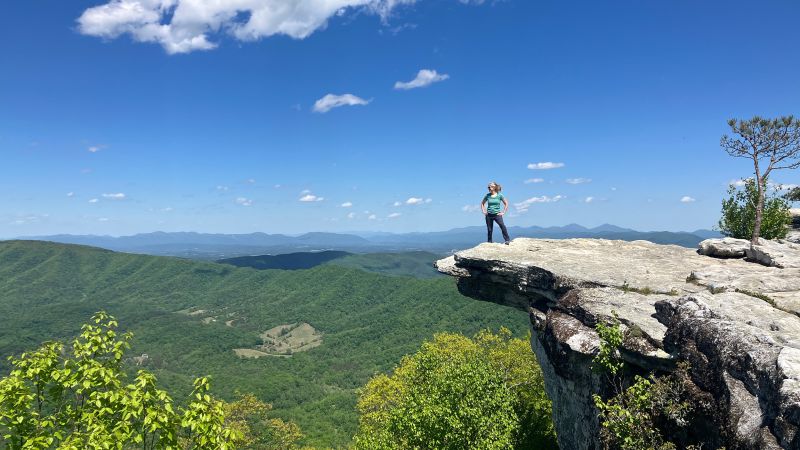
Roanoke’s proximity to the Blue Ridge Parkway and the Appalachian Trail makes it a prime destination for outdoor enthusiasts. The McAfee Knob trailhead, just a 20-minute drive from Roanoke’s regional airport, is a highlight for hikers seeking panoramic views. As Ryan Wagoner, a local Appalachian Trail volunteer, noted during a run to McAfee Knob in early May, “The access to nature here is unmatched.” The 8-mile out-and-back hike to the famous rock formation offers a 270-degree vista, often cited as one of the most photographed spots on the trail. This area is part of the “Triple Crown” of hikes, a trio of scenic trails north of the city that draw adventurers from across the region.
While the Appalachian Trail winds through the area, the Blue Ridge Parkway provides a different kind of experience. Southeast of Roanoke, the 469-mile scenic route passes through the region, offering countless overlooks and trails that cater to both casual strollers and seasoned hikers. Beyond hiking, the area is also celebrated as the East Coast’s mountain biking capital, with trails that challenge riders of all skill levels. Anglers and paddlers find equally compelling opportunities in the region’s rivers and lakes, further cementing Roanoke’s reputation as a destination for active lifestyles.
A Legacy of Railroads and Industry
Roanoke’s history is deeply intertwined with its railroads. The city’s origins as a transportation hub date back to 1852 when the Virginia and Tennessee railroad arrived. However, it was the establishment of the Norfolk & Western railroad’s headquarters in the city in 1882 that truly transformed it into a bustling center. “It grew like a Western frontier town,” explained Ken Miller, a rail historian at the Virginia Museum of Transportation. “Massive construction, people flocking for houses, jobs, and the rapid development of railroad shops and infrastructure.”
Today, remnants of this industrial past remain visible. Visitors can walk through the city’s compact downtown, where the clackety-clack of freight trains still echoes along the tracks. The Virginia Museum of Transportation, housed in a century-old freight station, serves as a living testament to Roanoke’s rail heritage. Inside, exhibits span aviation, automotive history, and the evolution of rail transport. But the centerpiece is the outdoor railyard, where historic locomotives and rail cars are preserved. Among them is the sleek Norfolk & Western J Class No. 611, a symbol of the city’s rail legacy. The museum’s location also allows for a scenic route from the Tudor-style Hotel Roanoke, where travelers cross a glass-enclosed bridge over train tracks, passing by informational panels that detail the city’s rail history.
The railroad’s influence is still felt in Roanoke’s daily life. Amtrak passenger trains stop at the downtown platform four times a day, offering a nostalgic glimpse into the city’s past. The Hotel Roanoke, built by the Norfolk & Western railroad in 1882, overlooks this platform, its stately presence a reminder of the era when Roanoke thrived as a key transportation node. Even after the Norfolk & Western’s headquarters moved in 2015, the city continues to honor its railroad roots through museums and preserved infrastructure.
A Cultural Renaissance and Modern Vitality
Rainey Alvarez, a bartender at Sidecar, a popular downtown bistro that opened in 2020, reflected on the city’s evolution. “Roanoke didn’t used to be cool,” she said. “We’ve always had the mountains, so it’s always been beautiful,” she added, crediting the city’s food scene for its recent renaissance. Over the past decade, the food and drink culture has exploded, revitalizing once-vacant storefronts and bringing new energy to the area. This cultural shift has made Roanoke a destination for those seeking both history and contemporary flair.
The city’s walkable downtown area is a testament to its growing appeal. Its compact layout and mix of historic architecture and modern businesses create a unique atmosphere. From boutique shops to eclectic restaurants, the downtown scene showcases the city’s resilience and adaptability. Alvarez’s Sidecar, for instance, exemplifies the kind of local establishments that have emerged alongside the city’s renewed reputation. Yet, even as Roanoke embraces its modern identity, it never forgets its roots. The Virginia Museum of Transportation, with its focus on the railroad’s impact, is one of many institutions that highlight the town’s layered history.
Roanoke’s dual legacy as a hub for both nature and industry is evident in its offerings. The “Triple Crown” hikes, the Blue Ridge Parkway, and the city’s outdoor recreation opportunities underscore its natural appeal. Meanwhile, the railroad’s historical significance remains a cornerstone of its cultural identity. This balance between the old and the new is what continues to draw visitors and residents alike, ensuring Roanoke’s place as a dynamic and scenic destination in the heart of Virginia’s mountains.
Preserving the Past, Shaping the Future
Walking through Roanoke, it’s easy to see how the city has preserved its history while evolving. The Virginia Museum of Transportation, for example, not only showcases the railroad’s role in shaping the region but also connects it to broader themes of innovation and progress. Exhibits include classic cars and aviation artifacts, yet the most striking displays are the locomotives and rail cars that line the outdoor railyard. These machines, once the lifeblood of the city’s economy, now serve as a bridge between the past and present.
Historic landmarks like the old Norfolk & Western passenger station, now home to two museums including the O. Winston Link Museum, offer deeper insights into the city’s industrial roots. The O. Winston Link Museum, named after the photographer and historian who captured the end of the steam era, features dramatic black-and-white images and audio recordings that bring the golden age of rail travel to life. Similarly, the East End Shops, once a powerhouse for building world-renowned steam locomotives, remain a point of pride for locals and historians. These sites, combined with the city’s vibrant downtown, create a narrative that celebrates both its heritage and its forward-thinking spirit.
Roanoke’s current population of nearly 100,000 residents is a blend of old and new. While the railroad’s influence has waned, its legacy is still present in the city’s character. The rail tracks that once carried goods and passengers now pass beneath modern streets, their rhythmic clatter a quiet reminder of the past. As the city continues to grow, it maintains a connection to its roots, ensuring that the stories of its people and industries remain alive. Whether exploring the trails, visiting the museums, or savoring a cocktail at a new downtown spot, visitors can feel the pulse of a town that has transformed over time yet holds onto its unique charm.