
Traveling to a heat wave zone: Here’s what tourists need to know
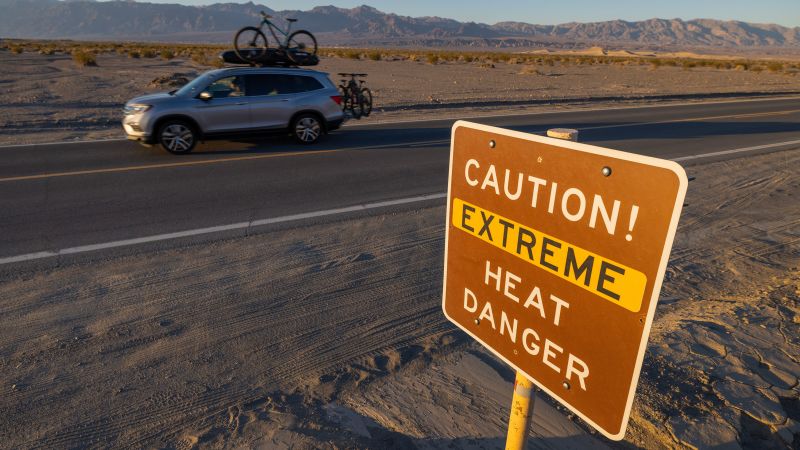
Traveling to a Heatwave Zone: What Tourists Need to Know
Traveling to a heat wave zone – As scorching temperatures persist across key travel destinations, tourists are being urged to adjust their itineraries. The recent surge in extreme heat has not only shattered weather records but also created hazardous conditions for visitors. From national parks to urban centers, the global heatwave is reshaping travel experiences. Whether planning a road trip or a beach getaway, understanding the risks and adapting strategies is crucial to staying safe.
Heatwave Impacts Across the United States
In the U.S., the Grand Canyon National Park has become a focal point of heat-related concerns. The National Weather Service predicts that temperatures at Phantom Ranch, a low-elevation area within the park, will reach or surpass 110 degrees Fahrenheit (43 degrees Celsius) this week. This has prompted the National Park Service to issue warnings, advising visitors to avoid hiking during peak heat hours. The agency cites a recent spike in heat-related incidents, including the tragic deaths of two hikers on the North Kaibab Trail.
These warnings highlight the growing urgency of heat safety. With temperatures climbing, the risk of dehydration, heat exhaustion, and even heatstroke increases significantly. Travelers are encouraged to plan excursions for cooler times of the day and to stay informed about local advisories. The situation underscores how climate extremes are no longer a distant threat but an immediate challenge for those venturing into affected regions.
Europe’s Battle with Record Heat
Meanwhile, Europe is grappling with its own wave of extreme weather. Countries like France, Spain, and the United Kingdom have issued health alerts due to soaring temperatures. In France, a record-breaking night of heat has been logged, reaching 37.8 degrees Celsius (100 degrees Fahrenheit) as of Monday. Several towns have recorded their highest temperatures ever, with the heatwave intensifying across the continent.
Spain, too, is experiencing unprecedented conditions. In Andújar, a southern municipality, temperatures have exceeded 113 degrees Fahrenheit, according to AEMET, the country’s weather service. The UK Met Office has raised the alarm, predicting record highs this week that could lead to school closures and a rare heat-health alert. “Humidity is also a factor, making this heatwave even more impactful with heat stress a danger to all,” the Met Office stated in a Monday release.
These extreme conditions are part of a broader trend. Global temperature records are being broken at an alarming rate, with the heatwave intensifying in numerous countries. The situation has reached critical levels, prompting authorities to take proactive measures. For example, Italian officials recommend that residents spend at least three hours daily in air-conditioned spaces, emphasizing the need to find refuge in cool environments like museums or cafes.
Adapting to the Heat: Practical Tips
When planning a trip during a heatwave, travelers must prioritize adaptation over rigid schedules. The heat typically builds from mid-morning until early evening, meaning afternoon temperatures can be particularly oppressive. To combat this, experts advise venturing out early, before the sun reaches its peak. This strategy allows for more comfortable sightseeing and reduces exposure to dangerous conditions.
“Wearing loose, light clothing made of breathable materials is essential,” says a travel safety expert. “Don’t forget to reapply sunscreen regularly, and use a fan to create airflow, even if it’s just a handheld one.”
Staying hydrated is another key factor. The CDC recommends drinking water frequently, even before feeling thirsty, to prevent dehydration. Cooling methods like cool showers and dampening skin with water can also provide relief. In Europe, where public fountains are common, washing hands, wrists, and faces with cool water is a simple yet effective way to stay refreshed.
For those with chronic health conditions or in high-risk groups, such as the elderly or young children, adjustments are even more critical. These individuals are more susceptible to heat-related illnesses, making it vital to limit outdoor activity and monitor health closely. If a destination faces evacuation due to floods, wildfires, or typhoons, tourists should be prepared to cancel or reschedule plans.
Food choices also play a role in managing heat. Water-rich foods like raw vegetables, salads, and fruits such as watermelon or grapes can help maintain fluid balance. This advice aligns with the broader recommendation to prioritize hydration and light meals during hot weather. Travelers should also avoid heavy, calorie-dense foods that may contribute to overheating.
Global Trends and the Future of Travel
Heatwaves are no longer isolated events but part of a larger pattern of climate change. As global temperatures continue to rise, the frequency and intensity of such extremes are expected to grow. This means that even if you’re planning a trip to a seemingly safe destination, you may need to factor in additional precautions.
The current heatwave has already disrupted travel in multiple regions. In the U.S., for instance, the National Park Service has warned that midday hikes could pose life-threatening risks. Similarly, in Europe, the combination of high temperatures and humidity has created a dangerous environment. With 23 European countries under heat alerts, the need for vigilance is clear.
Travelers should stay updated on local conditions and follow government guidelines. This includes checking for advisories about closed attractions, transportation delays, or emergency evacuations. While some trips can still proceed with careful planning, others may require last-minute changes. The key is to remain flexible and prioritize safety over convenience.
As the world continues to heat up, the travel industry is adapting. Airlines, hotels, and tour operators are implementing measures to protect guests, such as adjusting tour times, providing shaded areas, and ensuring access to cooling facilities. However, these efforts may not fully mitigate the risks, especially for those visiting areas where conditions are most severe.
In conclusion, the heatwave is reshaping the way we approach travel. From adjusting itineraries to embracing cooling strategies, tourists must be proactive in their planning. As records fall and temperatures rise, staying informed and adaptable will be essential for ensuring a safe and enjoyable journey. Whether you’re hiking through the Grand Canyon or exploring the streets of Paris, the same principles apply: know the risks, take precautions, and stay prepared for the unexpected.