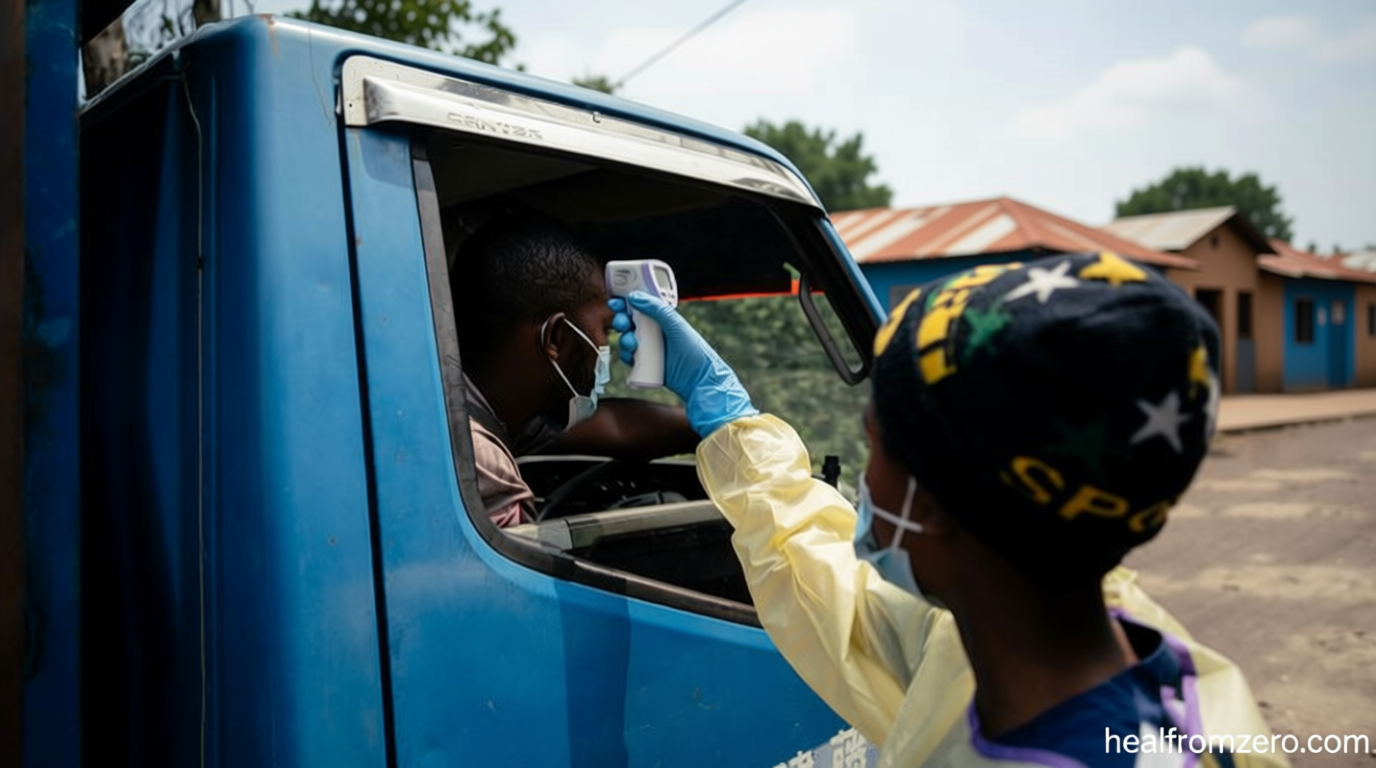
Quarantine comes to an end for the last of the hantavirus ship passengers in Nebraska

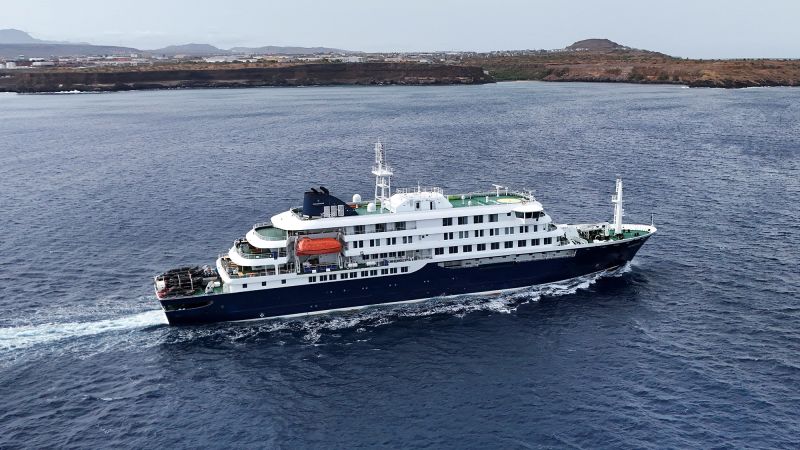
Quarantine comes to an end for the last of the hantavirus ship passengers in Nebraska
Quarantine comes to an end – After more than a month of isolation, the final eight American passengers who were quarantined at a specialized hospital in Nebraska have left the facility, marking the conclusion of a 42-day monitoring period following a hantavirus outbreak on a cruise ship. U.S. Department of Health and Human Services (HHS) officials confirmed the end of the quarantine on Monday, signaling a successful resolution to the public health response. This development comes as the last of the 18 Americans evacuated from the MV Hondius, a Dutch vessel, have been released from the National Quarantine Unit in Omaha. The ship had become the epicenter of a rare outbreak of the Andes virus, which claimed three lives during its journey through the South Atlantic.
Evacuation and Quarantine Efforts
The MV Hondius, which had set sail from Spain’s Canary Islands, saw over 120 people removed from the ship early last month. While most of the evacuated individuals were from other countries, 18 were American. These passengers were transported to the Nebraska quarantine unit for further observation, a decision made to ensure the virus did not spread further. Health officials, dressed in full protective gear, conducted the evacuations as the outbreak intensified. However, not all passengers were immediately moved to the facility—thirty others had already disembarked earlier, including seven Americans, who were permitted to self-monitor for symptoms at home.
The quarantine in Nebraska was a critical measure to contain the virus, which is typically transmitted through rodent droppings. But this particular strain, the Andes virus, has shown unusual characteristics, with symptoms appearing as late as 42 days after exposure. This extended incubation period necessitated the prolonged monitoring. The virus, which had already killed three people, including a Dutch couple believed to be the first infected while in South America, raised concerns among health authorities about its potential for human-to-human transmission.
Controversial Quarantine Orders
Among those in quarantine, Angela Perryman became a focal point of debate. She was one of the eight Americans held against her will under a controversial order issued by Robert F. Kennedy Jr., despite recommendations from CDC experts. In an interview from her Florida home, Perryman described the final days of her isolation, stating that passengers were informed the monitoring period would end at 2 p.m. on Sunday. “We were locked in our rooms until 1:55. And at 2 o’clock, ‘OK, well, everybody walk out and go home,’” she recalled. She chose to leave that evening, departing on a flight arranged by the government. Others followed suit on Monday, with some staying overnight in Omaha before returning to their homes.
“We were locked in our rooms until 1:55. And at 2 o’clock, ‘OK, well, everybody walk out and go home,’” Perryman said, speaking from her Florida home.
While seven of the remaining patients voluntarily stayed for the full duration, Perryman’s case highlighted the tension between public health protocols and individual freedoms. Her forced quarantine, which lasted six weeks, was seen by some as unnecessary. The HHS spokesperson, Emily Hilliard, emphasized the collaborative effort that led to the containment of the outbreak. “Through close coordination among federal, state, and local partners, HHS helped protect the American people, minimize risks, and bring this response to a conclusion,” she stated in an email. The agency’s actions were part of a broader strategy to isolate high-risk individuals and prevent community spread.
Global Quarantine Impact
As the quarantine in Nebraska concluded, attention shifted to the broader global efforts. When the MV Hondius arrived in the Netherlands, 25 crew members and two medical staff were placed under isolation, adding to the international response. The World Health Organization (WHO) did not immediately comment on Monday, leaving questions about the status of other quarantined individuals worldwide. A total of 13 confirmed cases of the virus were identified among the ship’s passengers, though none of the Americans in the Nebraska unit developed the illness.
Despite the success of the quarantine in Nebraska, the outbreak underscored the challenges of managing rare viral threats. The Andes virus, which is usually spread through rodent excrement, has been linked to a few unusual cases of person-to-person transmission. Health officials noted this as a key factor in extending the quarantine period for some passengers. The incident also highlighted the logistical complexities of evacuating individuals from remote locations, with the U.S. government covering the cost of flights for those leaving the quarantine unit.
Life in the Quarantine Unit
The National Quarantine Unit at the University of Nebraska Medical Center was designed to provide comfort while ensuring strict isolation. The facility featured rooms resembling hotel accommodations, complete with desks, televisions, internet access, and exercise equipment. Passengers were encouraged to stay engaged with activities to alleviate the stress of confinement. Local Omaha restaurants and food trucks played a role in the program, delivering meals to the quarantined individuals almost daily. Nurses also made special trips to fetch favorite drinks, such as Starbucks, to maintain a sense of normalcy.
For many, the quarantine unit was more than just a medical measure—it became a temporary home. Jake Rosmarin, one of the passengers, shared his experience in a video posted on Monday morning, showing him leaving the facility with two suitcases and a backpack. “I’m finally coming home,” he said, capturing the relief of the moment. The video also featured him turning off the lights as he exited, a small but symbolic act of ending a chapter of uncertainty. Rosmarin’s post garnered widespread attention, offering a glimpse into the emotional journey of those who had endured the quarantine.
“I’m finally coming home,” Jake Rosmarin said in a video posted on Monday, capturing the moment he left the quarantine facility.
The extended stay in Nebraska was a testament to the virus’s unpredictable nature. While 10 other passengers were allowed to leave earlier under an agreement to monitor symptoms at home, the 18 Americans in the quarantine unit were deemed high-risk due to their exposure. The final phase of isolation for the eight remaining passengers was a culmination of months of vigilance, with health officials closely tracking their conditions. None of the individuals who had been in the unit developed the hantavirus, reinforcing the effectiveness of the containment strategy.
The incident also sparked discussions about the balance between public health mandates and personal autonomy. Perryman’s case, in particular, raised questions about the necessity of prolonged quarantine for all passengers. While some argued that the strict measures were essential to prevent outbreaks, others pointed to the lack of symptoms among the Americans as evidence that the protocol could have been adjusted. The $750,000 allocated by the U.S. government to evacuate Perryman from a remote island further underscored the financial and logistical commitments required to manage such crises.
As the last of the passengers departed, the focus remains on the broader implications of the outbreak. The MV Hondius, which had initially set out as a routine cruise, now stands as a case study in the challenges of responding to emerging infectious diseases. Health officials continue to monitor the situation closely, ensuring that the virus does not reemerge in new outbreaks. For the passengers, the end of quarantine marks a return to normalcy, but the experience has left a lasting impact on their lives and the way public health measures are perceived in the future.