A judge orders ICE to free a Wisconsin mosque leader, citing a ‘substantial’ free speech claim

Judge Orders ICE to Free Mosque Leader in Free Speech Case
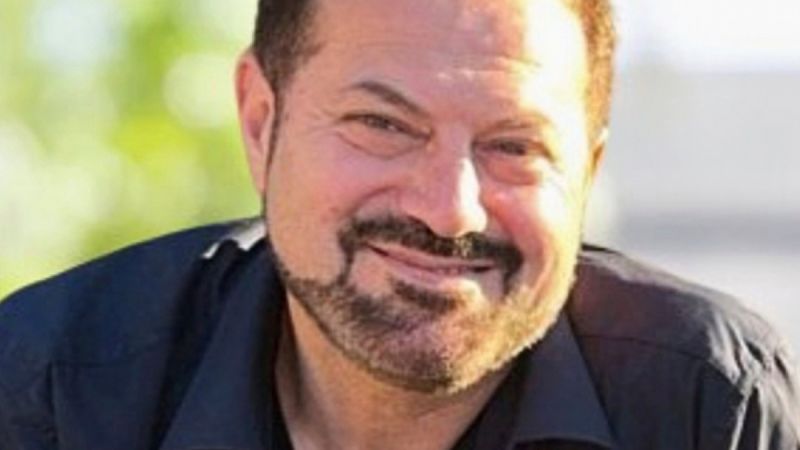
A judge orders ICE to free – On Thursday, a federal judge in Wisconsin issued a directive for Immigration and Customs Enforcement (ICE) to release Salah Sarsour, the leader of the state’s largest mosque, from detention. The order came after the court found that Sarsour’s “substantial” free speech claim justified his release. US District Judge James Patrick Hanlon ruled that ICE had not provided sufficient evidence to support Sarsour’s arrest, allowing him to return to his Milwaukee home as his immigration case moves forward.
Salah Sarsour’s Legal Battle
Salah Sarsour, a Palestinian-born legal permanent resident, has resided in the United States for over three decades. He was detained by ICE on March 30, 2026, and held in an Indiana county jail until his release. His attorneys argue that his arrest was a result of political retaliation for advocating Palestinian rights, while ICE maintains that his activities pose a foreign policy threat. The judge’s decision emphasizes that the government must prove its case before restricting free expression.
“I am so relieved to be with my family. For 80 days, I haven’t been able to step outside and breathe fresh air,” Sarsour stated in a prepared statement. “This experience reminds us that we must fight for our right to speak out for the voiceless. I will never stop advocating for Palestine and humanity, wherever I am.”
Health and Family Impact
The ruling was also influenced by Sarsour’s health conditions. His legal team revealed that he has Type 2 diabetes and lost over 30 pounds during his three-month detention. While in custody, his medical care was limited to monthly monitoring, raising concerns about potential complications. Sarsour’s son, Kareem, expressed relief at his release, calling it a “victory for free speech” and a “sober reminder” of the risks faced by individuals like his father.
“We’re getting our dad back! This experience has been a nightmare, with his health at risk in a cruel basement cell simply for speaking up for Palestine,” Kareem Sarsour said. “But we know who my dad is—he’s a voice for the voiceless and the heart of our family and community.”
Government’s Claims and Legal Justifications
Immigration officials and the Department of Homeland Security (DHS) defended their actions, asserting that Sarsour’s rights as a non-citizen were less protected than those of citizens. However, Judge Hanlon rejected this argument, stating that free speech rights apply equally to lawful residents. The judge pointed out that the government failed to explain why Sarsour’s advocacy, which includes support for Palestinian causes, suddenly made him a threat after 25 years of living in the U.S.
Additionally, the court highlighted Sarsour’s deep community ties. His spouse, six children, and nine grandchildren are all U.S. citizens, reinforcing his connection to the country. The judge noted that these personal links, combined with his health risks, were critical in deciding to release him while his case is resolved.
DHS’s Case and Broader Implications
The DHS claimed Sarsour was a “terrorist” convicted of throwing Molotov cocktails in Israel. However, his legal team countered that his criminal record in the U.S. is clean. While Sarsour was convicted by the Israeli Ramallah Military Court in 1989 and 1995 for these acts, he denies being a threat to national security. The case has sparked broader discussions about whether ICE is targeting individuals for political reasons, raising concerns about the balance between immigration enforcement and constitutional freedoms.
“If Mr. Sarsour can be targeted, then every individual’s right to express themselves is in jeopardy,” one of his attorneys said. “This ruling serves as a critical check on government power, ensuring that free speech is not silenced by political pressure.”
The decision underscores the importance of due process in immigration cases and the potential for ICE to use detention as a tool for political suppression. As Sarsour continues his legal journey, advocates hope it will set a precedent for protecting free expression rights in immigration enforcement. This case has already drawn attention from legal experts and human rights organizations, who see it as a significant moment in the ongoing debate over freedom of speech and immigration policy.