State Department says it’s trying to help Cape Verde goalkeeper’s mother get to US for the World Cup

State Department Says It’s Trying to Help Cape Verde Goalkeeper’s Mother Get to US for the World Cup
A Glimpse into the Journey of Vozinha
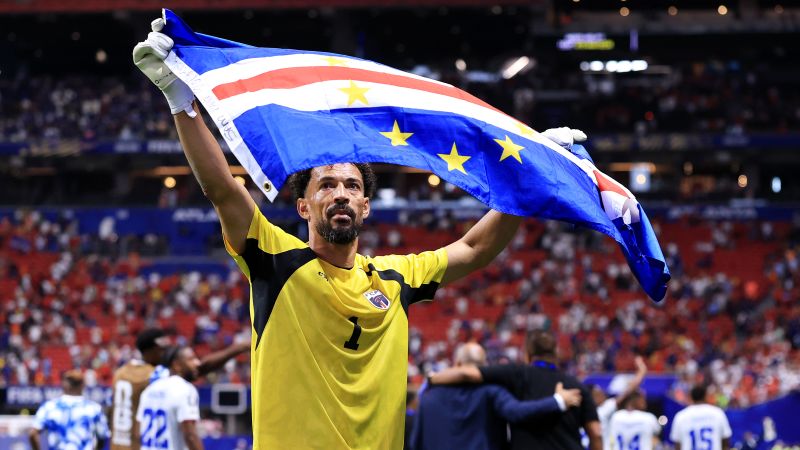
State Department says it s trying – On Tuesday, the U.S. State Department revealed its efforts to support the family of Cape Verdean soccer player Vozinha, a 40-year-old goalkeeper who recently captivated global audiences during his nation’s historic World Cup debut. Vozinha, who plays in the Portuguese second division, became a household name after a remarkable performance in Cape Verde’s first match of the tournament, which ended in a surprising 1-1 draw with Spain. The breakthrough moment came as his team defied expectations, holding off the European champions for 90 minutes and securing a result that has already reshaped the narrative around Cape Verde’s participation in the 2026 FIFA World Cup.
“I didn’t manage to get her here because of the visa… the money we have to pay for the visa,” Vozinha shared after the game, addressing the challenge of bringing his mother to the United States. “We didn’t have enough time, and I would like her to be here.”
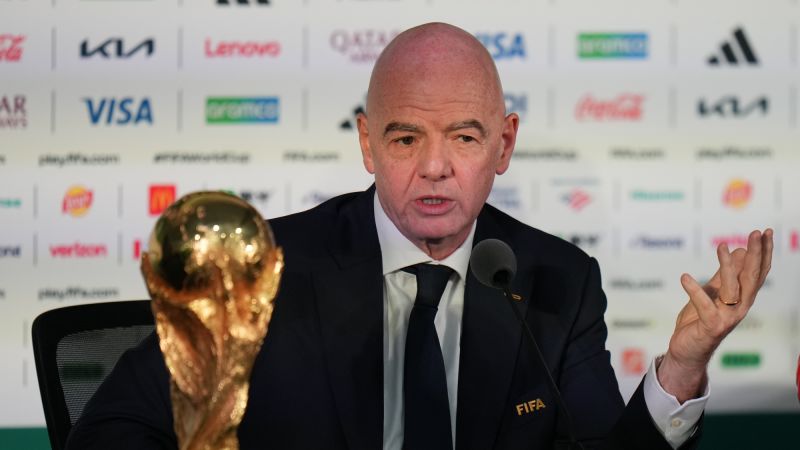
Vozinha’s mother, who missed the crucial match against Spain, was unable to travel due to financial constraints tied to the visa bond requirement. This policy, introduced under the Trump administration, mandates that citizens from 50 countries—including Cape Verde—pay a bond of up to $15,000 to secure their visas. The measure was designed to combat allegations of high rates of visa overstays, though it has sparked debate about its impact on families of athletes.
Visa Bond Policy and the Department’s Response
When questioned about Vozinha’s remarks, a State Department official clarified that there was no documented visa application for the player’s mother. The official emphasized that the bond is waived for “all relatives of players,” a provision aimed at easing the burden on family members attending matches. “The Department of State has no record of this individual applying for a visa. Relatives of athletes are eligible for bond waivers, and we are actively reaching out to this player’s family to facilitate their travel,” the official stated.
The policy’s language, as outlined on the State Department’s website, highlights its intent to support athletes and their teams. It states that nationals from World Cup 2026 participating countries who demonstrate eligibility for the visa may have their bond requirements waived. This includes immediate family members, such as parents or siblings, who are integral to the players’ support systems.
Vozinha’s situation underscores the logistical hurdles faced by families of athletes from nations under this policy. While the bond waiver is intended to simplify the process, the requirement to pay upfront remains a significant barrier. The goalkeeper’s mother, for instance, is reportedly in the process of obtaining a passport, a step that could further delay her arrival in the U.S. for the tournament. A source close to the matter noted that her current passport status is still pending, adding an extra layer of complexity to the State Department’s assistance efforts.
The Significance of Cape Verde’s First World Cup Match
Cape Verde’s World Cup journey began with a match against Spain, a team often regarded as a powerhouse in international football. Many had anticipated a one-sided victory for Spain, given their reputation for technical skill and experience. However, Vozinha’s heroics and the team’s collective resilience led to a dramatic 1-1 draw, marking a pivotal moment in the nation’s sporting history.
The match, held on Monday, was more than just a game—it was a testament to the underdog spirit that defines Cape Verde’s national team. With a population of around 530,000, the country has long been regarded as a minor force in global soccer. Yet, this result has ignited a wave of national pride, with celebrations spreading far beyond the confines of the stadium. The achievement has also drawn international attention, as fans around the world celebrated the team’s defiance of expectations.
Vozinha’s performance, which included seven crucial saves, has been hailed as a turning point for Cape Verde. His ability to stifle Spain’s attack, despite the team’s lack of experience, has positioned him as a symbol of hope for the nation. The goalkeeper’s rise to fame has been meteoric, with his Instagram account experiencing a surge in popularity. By Tuesday afternoon, his followers had grown from approximately 50,000 to over 9.7 million, a testament to the global reach of his story.
The Ripple Effect of a Historic Result
The draw with Spain not only elevated Vozinha’s profile but also brought renewed energy to Cape Verde’s team. The victory over the European champions, who had previously dismantled Curaçao 7-1 in a different match, showcased the team’s potential. For a country that has long struggled to make an impact on the world stage, this result has been a source of pride and inspiration.
Vozinha’s journey from the Portuguese second division to the spotlight of the World Cup is a compelling narrative. As a veteran player, his experience and composure under pressure have been critical to Cape Verde’s performance. The goalkeeper’s ability to maintain focus and execute key saves has not only saved his team but also validated the hard work of the entire squad. His story is now intertwined with the broader success of the national team, highlighting the personal sacrifices and triumphs behind international competition.
Next Steps and the Road Ahead
Cape Verde’s next challenge comes on Sunday, when they will face Uruguay in a match scheduled for 6 p.m. ET in Miami. The team’s performance against Spain has set the stage for a potential upset, and fans are eager to see if the momentum can continue. For Vozinha, the opportunity to reunite with his mother in the U.S. remains a personal goal, one that the State Department is working to fulfill.
The U.S. State Department’s involvement in this matter reflects a broader effort to support athletes from underrepresented nations. By waiving bond requirements for immediate relatives, the agency aims to make the World Cup experience more accessible and memorable for families. This initiative also aligns with the Department’s role in fostering international goodwill, particularly in a tournament that unites nations from across the globe.
Meanwhile, the goalkeeper’s growing social media presence has sparked conversations about the role of athletes as ambassadors for their countries. His journey from a relatively unknown player to a global icon has been accelerated by the viral attention his performance has generated. As Cape Verde prepares for their next match, the focus remains on both the team’s progress and the personal stories that make the World Cup more than just a sporting event.
The visa bond policy, while a financial hurdle for some families, has also highlighted the importance of international cooperation in sports. For Vozinha and his mother, the solution lies in the Department’s outreach and the support of a nation that has taken an interest in their journey. As the tournament progresses, the hope is that this assistance will not only bring the goalkeeper’s mother closer to the action but also inspire others in the Cape Verdean community to dream bigger.
Cape Verde’s unexpected success in the World Cup has already begun to change perceptions. The nation, once considered a minor participant, now stands as a story of perseverance and unexpected triumph. For Vozinha, the path forward is both personal and professional, with the State Department playing a vital role in making his family’s dream a reality. As the tournament unfolds, the world will be watching not just for the outcomes of the matches, but for the moments that make sports a shared human experience.