You’ve heard of glass skin. Now, it’s time for glass hair

You’ve heard of glass skin. Now, it’s time for glass hair
The K-Beauty Perspective
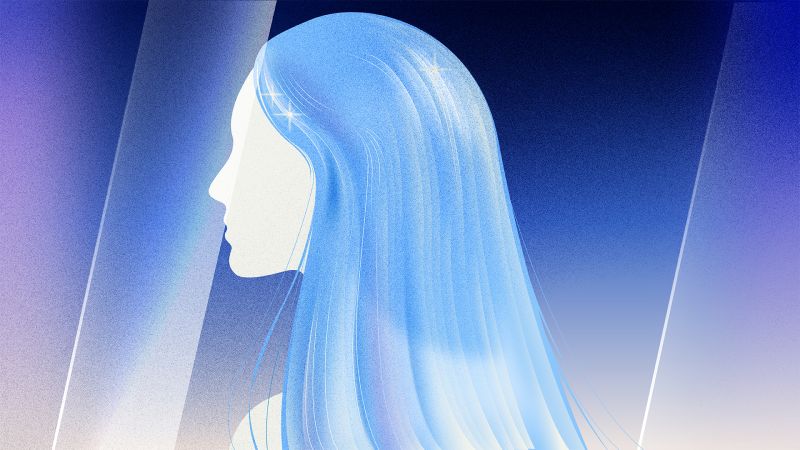
You ve heard of glass skin – K-Beauty has long captivated global audiences with its focus on radiant, flawless skin. Now, the trend is extending to hair, as the concept of “glass hair” gains traction. This new aesthetic emphasizes an almost mirror-like sheen, achieved through meticulous care and advanced products. The shift reflects a broader cultural movement in South Korea, where beauty is often equated with perfection. Rena Kim, global communications lead at CJ Olive Young—the nation’s largest beauty retailer—notes that the K-beauty craze has evolved from skin care to hair care, with consumers seeking a harmonious, polished appearance.
What Makes Hair ‘Glassy’?
Unlike traditional glossy hair, which relies on surface-level shine, “glass hair” aims for a deeper, more enduring radiance. This is achieved by aligning the cuticle, the protective layer on each hair strand, to create a smooth, reflective surface. Anabel Kingsley, a consultant trichologist at Philip Kingsley, explains that the cuticle functions like tiles on a roof, shielding the hair’s inner structure. A healthy, closed cuticle not only prevents damage but also enhances light reflection, resulting in that coveted mirror-like finish.
“A flat, closed cuticle reflects light better, so it shines better,” says Kingsley. “This is why maintaining such a state is crucial for achieving the glassy look.”
The trend is driven by a combination of products and techniques. Brands like Mise-en-Scène and UNOVE—recently available in Sephora’s US stores—prioritize low-pH formulas to flatten the cuticle and protein treatments to repair damage. These innovations are part of a growing emphasis on holistic hair care, integrating scalp health, conditioning, and styling into a cohesive routine.
The Cost of Perfection
While the allure of glass hair is undeniable, its pursuit comes with challenges. Harsh chemicals in dyes and perms, along with high-heat styling and aggressive brushing, can damage the cuticle, leading to frizz and split ends. Kingsley warns that unless someone has naturally straight hair, achieving the sleek, flat finish often requires heat and tension, which can weaken strands over time. “Once hair is damaged, it can’t be repaired, only protected,” she cautions.
Consumers are increasingly aware of these trade-offs. The demand for damage-prevention products, such as UV and heat protectants, signals a move toward more sustainable styling. Instead of rigid, heavy-hold styles, there’s a growing preference for natural looks, supported by nourishing rinse-off or leave-in hair masks. This shift underscores a broader trend in haircare: prioritizing long-term health over temporary effects.
Beauty Standards and Market Demand
South Korea’s obsession with perfection is evident in its high standards for beauty. The nation leads the world in cosmetic surgery rates and per-capita beauty product spending. This cultural pressure has fueled the rise of glass hair, as both men and women strive for an ultra-polished appearance. Scalp care, once a niche practice, is now central to this movement, with consumers viewing it as the foundation for healthy hair.
“There has been growing focus on scalp care as the foundation of healthy hair,” says Kim. “Consumers increasingly view scalp health, conditioning, and styling as interconnected steps in their routine.”
Even as the trend gains global attention, its roots remain deeply tied to South Korean culture. International travelers are already flocking to the country for scalp massages and head spas, a testament to the importance placed on this aspect of haircare. A tourism platform reported a 219% surge in scalp care bookings during the first 11 months of 2025 compared to the previous year, highlighting the demand for such services.
The Future of Hair-Thinning Market
With aging populations on the rise, hair loss is becoming a pressing concern. By 2030, when 1 in 6 people will be over 60, the global hair-thinning market is expected to grow by 82% from its 2024 levels, according to Grand View Research. This projection underscores the urgency for effective treatments, especially as the K-beauty industry expands its reach into haircare. The rise of products tailored to repair and protect hair is a direct response to this challenge.
President Lee Jae Myung of South Korea recently brought attention to the issue when he publicly advocated for covering hair loss treatments. His remarks highlight the cultural and political significance of the trend, linking it to broader efforts to address beauty-related anxieties. As the market evolves, the focus is shifting from quick fixes to comprehensive solutions that nurture hair from root to tip.
From Local to Global
K-Beauty’s influence on haircare is part of a larger global transformation. What began as a regional phenomenon has now captured international interest, with brands and practices spreading across borders. This global push is driven by the desire to maintain hair’s natural health while achieving a flawless appearance. For many, glass hair represents more than a trend—it’s a symbol of self-care and cultural identity.
However, the path to this ideal is not without its hurdles. The combination of high heat, protein treatments, and specialized tools can strip hair of its natural oils and cause long-term damage. Kingsley emphasizes the need for balance, advocating for gentle styling and deep conditioning to preserve hair’s integrity. “Everyone’s hair is different,” she notes, “so what works for one may not for another.”
Conclusion
The rise of glass hair exemplifies how K-Beauty continues to redefine beauty standards. While it offers a glimpse into a world of flawless aesthetics, the trend also highlights the importance of mindful haircare. As consumers become more conscious of their choices, the industry is adapting to meet demand with products that prioritize health and sustainability. Whether through scalp massages, low-pH formulas, or heat protectants, the goal remains the same: to achieve that luminous, glass-like finish without compromising the hair’s natural vitality.
Ultimately, the journey to glass hair is as much about technique and products as it is about understanding the science behind hair health. With the right approach, it’s possible to maintain a radiant look while protecting strands from the wear and tear of modern styling. As the trend matures, it may evolve from a niche pursuit into a mainstream standard, blending South Korean innovation with global accessibility.