
SpaceX sets the stage for a record $75 billion IPO
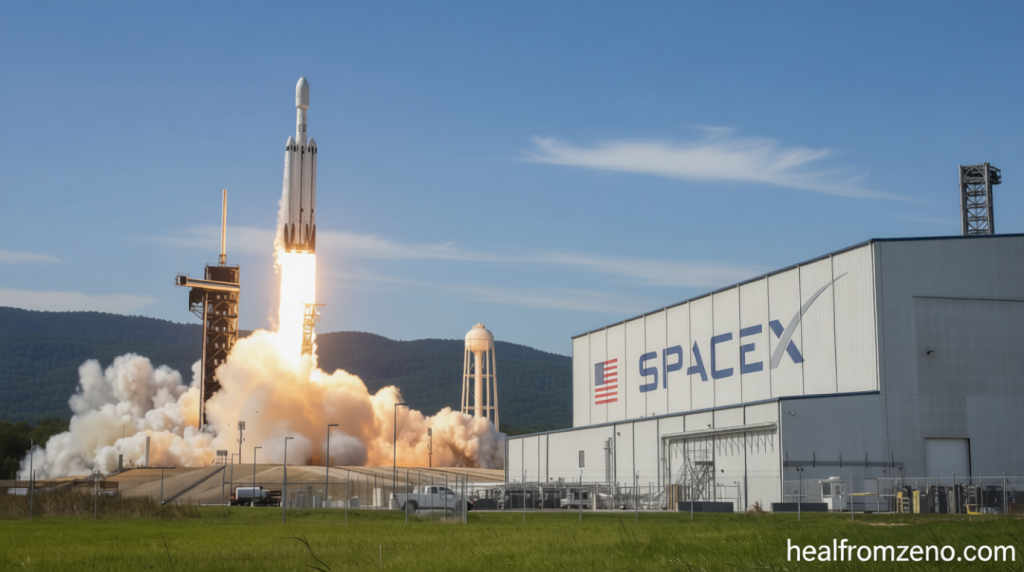
SpaceX sets the stage for a record $75 billion IPO
SpaceX sets the stage for a record – Elon Musk’s SpaceX is poised to make history with an initial public offering that could raise $75 billion, valuing the company at approximately $1.77 trillion. This unprecedented move might elevate Musk, who already holds the title of the world’s wealthiest individual, to the rarefied rank of a trillionaire. Despite the massive fundraising goal, Musk’s ownership stake will remain substantial, with him retaining control of nearly half the shares following the offering. However, a significant portion of these shares are special voting rights instruments, ensuring Musk’s influence over strategic decisions remains unchallenged.
A Bold Move in the AI-Driven IPO Market
The IPO’s fixed pricing model, setting shares at $135 each, stands out in a market where many companies offer price ranges. This decision highlights the fervor surrounding artificial intelligence, which has propelled startups to sky-high valuations even before they launch. SpaceX’s choice reflects not only the current enthusiasm for AI but also Musk’s pattern of pursuing colossal objectives. By anchoring the IPO to a specific price, the company signals confidence in its market position and future potential.
The $75 billion raise would surpass the previous record of $29.4 billion set by Saudi Aramco in 2019, marking the largest public offering in history. This milestone occurs amid a broader trend where AI is reshaping financial markets, with investors betting on its transformative potential. While profitability remains elusive for many tech firms, the sector’s rapid advancements have captured Wall Street’s imagination. SpaceX’s IPO, scheduled to begin trading next Friday, is part of this evolving landscape, showcasing the convergence of space exploration and artificial intelligence.
From Rockets to AI: A Diversified Vision
Since its inception in 2002, SpaceX has evolved from a venture focused on rocket development to a multifaceted enterprise. The company’s 2021 launch of Starlink, a satellite-based internet service, expanded its reach into telecommunications. This year, SpaceX merged with xAI, Musk’s artificial intelligence venture that also operates social media platform X. The integration underscores the company’s commitment to leveraging AI across its operations, from optimizing rocket launches to managing data infrastructure in space.
The IPO documents emphasize SpaceX’s dual focus on space exploration and AI innovation. While the company’s rockets currently dominate the corporate space sector, its AI ambitions are increasingly central to its valuation. Investors are optimistic about the potential of AI to drive efficiency and profitability, even if it disrupts traditional job markets. The prospect of data centers in orbit and AI-powered space missions has further fueled speculation about SpaceX’s long-term value.
The Road to Public Markets: Challenges and Opportunities
Though SpaceX’s IPO plans were announced last month, the exact valuation has remained undisclosed until now. The company’s strategic focus on AI and space technology has positioned it as a leader in cutting-edge industries, yet its path to profitability is still uncertain. Many startups in the AI sector are prioritizing growth over immediate returns, and investors are willing to overlook short-term losses for long-term gains.
The IPO comes at a pivotal time for the space industry, with the commercialization of space travel gaining momentum. SpaceX’s ambition to establish human outposts on the Moon and Mars has already captivated global attention, and the funds from this offering will support both its existing ventures and new initiatives. The company’s ability to navigate the complexities of space logistics, while integrating AI into its operations, could set a new standard for innovation in the sector.
Despite the hype, challenges persist. The AI industry is still in its infancy, with many companies struggling to find practical applications for their technologies. However, the recent surge in investor confidence has made it easier for firms like SpaceX to secure substantial capital. The IPO is not just a financial event but also a symbolic step toward legitimizing space as a viable frontier for economic activity.
A New Era for Space and Technology
The significance of SpaceX’s IPO extends beyond its immediate financial impact. It represents a shift in how the market perceives space-related enterprises, moving from niche ventures to major players with global reach. The company’s stock offering is expected to draw interest from both traditional investors and tech enthusiasts, reflecting the broader appetite for space exploration and AI-driven solutions.
SpaceX’s journey from a startup to a trillion-dollar company illustrates the power of visionary leadership. Musk’s ability to blend audacious goals with practical execution has been key to the company’s success. The IPO is a testament to this philosophy, offering a glimpse into the future of space travel and the role of AI in shaping it. As the market continues to evolve, SpaceX’s offering may serve as a blueprint for other companies aiming to bridge the gap between innovation and profitability.
While the IPO is a major step, it is not the only AI-focused company preparing for public markets. Anthropic, a rival in the AI space, has already announced its plans, with OpenAI expected to follow suit. Together, these offerings could create a wave of wealth generation, turning thousands into millionaires and a few into billionaires. Yet, the success of these ventures will depend on their ability to deliver on the promises of AI and space commercialization.
For now, the focus remains on the IPO itself. With its ambitious targets and high valuation, SpaceX is setting a new benchmark in the world of public markets. The company’s journey from a private enterprise to a publicly traded giant underscores the transformative potential of technology and the growing interest in space as a driver of economic growth. As the IPO approaches, the anticipation is palpable, and the implications for the future of space and AI are vast.