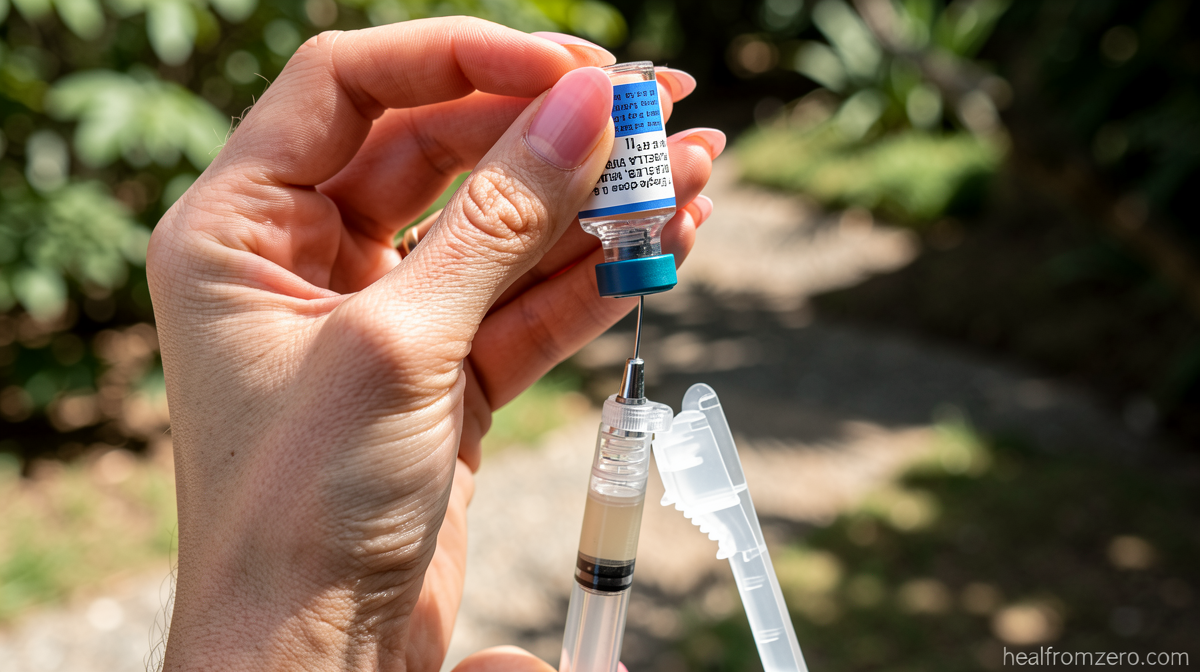
Experimental pill promises new hope for deadly pancreatic cancer

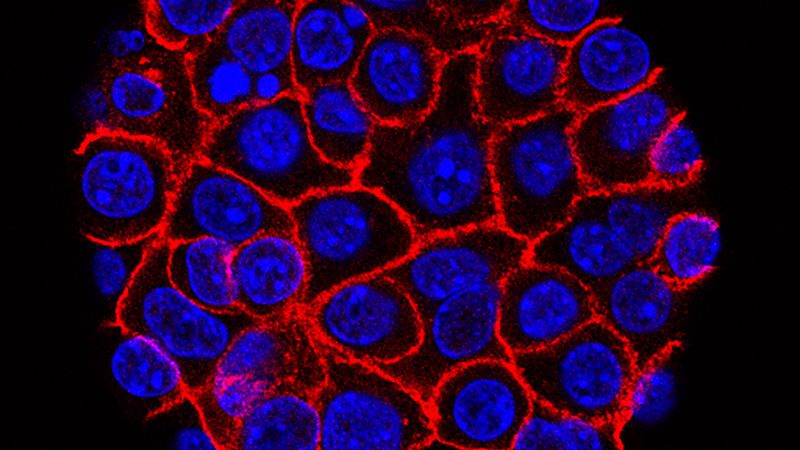
Experimental Pill Offers New Hope for Pancreatic Cancer Patients
Experimental pill promises new hope for deadly – In a breakthrough for oncology, a groundbreaking medication has demonstrated the potential to extend life for individuals battling advanced pancreatic cancer. Researchers at the University of California, Los Angeles, revealed findings Sunday that suggest the drug, daraxonrasib, could significantly improve survival rates, marking a pivotal moment in the fight against this aggressive disease. While the treatment does not eliminate the cancer entirely, it represents a major advancement, offering a new pathway for patients who have exhausted other options.
Study Details and Survival Outcomes
The trial involved 500 participants whose cancer had progressed despite prior therapies. These patients were randomly assigned to either receive the experimental pill or continue with standard chemotherapy. Results showed that those taking daraxonrasib lived for a median of 13.2 months, compared to 6.7 months for those on chemotherapy. This nearly 100% increase in survival time is a critical milestone, as pancreatic cancer has long posed challenges for effective treatment.
“This is the first drug to show a meaningful edge over traditional chemotherapy,” said Dr. Zev Wainberg, a lead researcher in the study. “Even though we haven’t cured the disease, the survival benefit is substantial.”
Unlike other cancers where treatment options have expanded over time, pancreatic cancer has remained difficult to manage due to its resistance to therapies. The drug’s mechanism targets a mutated protein, known as RAS, which is responsible for driving tumor growth in over 90% of cases. For decades, this genetic flaw has been a stumbling block for researchers, as no drug has successfully addressed it until now.
Expert Perspectives and Clinical Impact
Dr. Rachna Shroff, an oncologist at the University of Arizona Cancer Center, praised the findings during the American Society for Clinical Oncology meeting in Chicago. “It’s a game-changer,” she remarked. “Patients remained on treatment longer because it provided consistent and impactful results.” Her comments reflect the optimism among specialists who have seen the disease’s progression as a major hurdle in cancer care.
Dr. Brian Wolpin, presenting the data at the same event, emphasized the drug’s potential to redefine treatment protocols. “Daraxonrasib should become the new standard for patients with metastatic pancreatic cancer who have already received prior therapies,” he stated. Researchers are also exploring whether the medication could be used earlier in the disease’s progression, potentially allowing more patients to qualify for surgical interventions.
“I was so moved by the results I almost couldn’t stop crying,” Dr. Shroff added. “This treatment not only prolonged life but also eased the burden on patients, giving them more time to enjoy their quality of life.”
Despite its benefits, the drug’s effects are not permanent. As the trial progresses, Wainberg noted that the survival gap might grow further, as patients using the medication stay on it longer than those receiving chemotherapy. This durability could be a key factor in its long-term success. The drug’s side effects, primarily severe rashes and mouth sores, were manageable, which is a notable advantage over existing chemotherapies.
Advancing Treatment and Future Research
Revolution Medicines, the company behind daraxonrasib, is now pushing for expedited approval from the Food and Drug Administration. The agency has also granted “expanded access” to the drug, enabling patients who meet specific criteria to receive it before formal regulatory review. Public attention grew when former U.S. Senator Ben Sasse shared his experience on “60 Minutes,” describing how the medication reduced his pain and improved his daily functioning.
Wainberg and his team are now investigating whether the drug performs more effectively against specific KRAS subtypes. “Understanding these variations could help us tailor treatments even further,” he explained. Other experimental drugs in development aim to target different genetic mutations, but daraxonrasib’s approach—using a molecular glue to bind with multiple KRAS variants—sets it apart as a versatile option.
Pancreatic Cancer’s Challenges and Promising Outlook
Pancreatic cancer is notoriously lethal, largely because it is often diagnosed at advanced stages. By the time symptoms appear, the cancer has frequently spread to other organs, making early detection and treatment difficult. The American Cancer Society estimates that approximately 67,000 new cases will be diagnosed in the U.S. this year, with over 52,000 deaths attributed to the disease. Its five-year survival rate remains dismally low, at just 13%, highlighting the urgent need for new therapies.
The introduction of daraxonrasib could shift this paradigm. “This drug works in a fundamentally different way than anything we’ve had before,” said Dr. Andrew Coveler of the Fred Hutchinson Cancer Center. “It’s a major leap forward for patients who have few options left.” Researchers are now looking to confirm these findings through further trials and to explore its application in earlier stages of the disease. The potential for tumor shrinkage could open new doors for treatment strategies, including surgery and combination therapies.
With the rise of mRNA vaccines in cancer treatment, there is renewed hope for personalized approaches. However, this study focuses on a different aspect—targeting the RAS gene family, which has been historically difficult to treat. The drug’s ability to bind with KRAS mutations, once deemed “undruggable,” is a testament to modern advancements in molecular biology. As more patients gain access to the medication, its impact on survival and quality of life could reshape the landscape of pancreatic cancer care.
Wainberg also highlighted the importance of continued research. “We need to study how long the benefits last and whether they can be sustained,” he said. The long-term outcomes of the trial will be crucial in determining the drug’s full potential. For now, the findings provide a beacon of hope, demonstrating that progress is possible in a field that has long resisted effective treatment.
Conclusion and Next Steps
As the medical community celebrates this achievement, the next steps involve broader clinical trials and real-world application. The drug’s success could inspire further innovation, encouraging researchers to explore additional targets within the RAS family and beyond. For patients and families affected by pancreatic cancer, this development may offer a lifeline, transforming the outlook for a disease that has been considered one of the most deadly.
With ongoing studies and regulatory support, daraxonrasib is poised to become a cornerstone of pancreatic cancer treatment. Its impact extends beyond survival rates, addressing the pain and quality-of-life concerns that have long plagued patients. This milestone underscores the power of perseverance in scientific research, proving that even the most challenging diseases can be confronted with new tools and strategies.