YouTubers are setting box office records. It could change the future of moviemaking

YouTubers are setting box office records. It could change the future of moviemaking
A New Era in Cinema: Youth-Driven Success
YouTubers are setting box office records – In recent weeks, two of the most successful films in the U.S. market have emerged from a surprising source: young creators who first gained fame through YouTube. “Backrooms” and “Obsession,” directed by 20-year-old Kane Parsons and 26-year-old Curry Barker respectively, have defied traditional Hollywood expectations by dominating theater screens. These films, which blend innovative storytelling with a deep connection to their audience, were not only produced on modest budgets but also marketed through digital platforms, showcasing a shift in how movies are made and promoted.
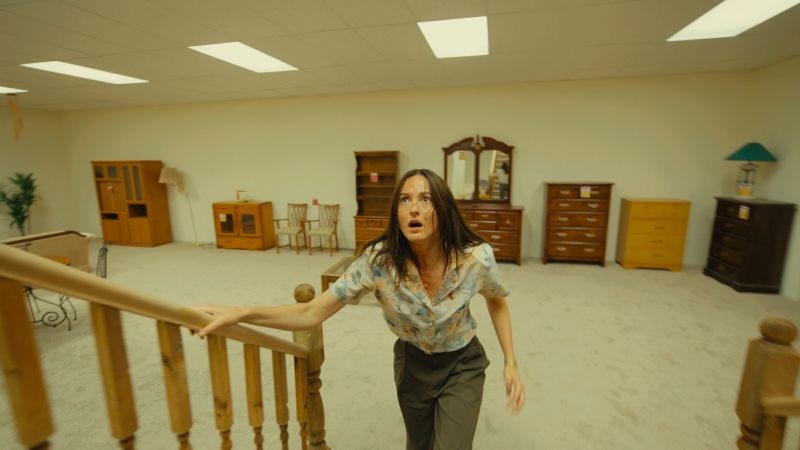
“Obsession,” which premiered in theaters on May 15, is a prime example of this trend. With a production cost of approximately $750,000, the darkly comedic horror film has generated nearly $150 million in revenue, a staggering profit margin for Focus Features and Blumhouse Productions. This achievement is particularly notable given the typical high costs and lower returns associated with mainstream releases. Meanwhile, “Backrooms,” a psychological thriller directed by Parsons, took the No. 1 spot at the box office during its opening weekend. Despite a budget of around $10 million—marked by the inclusion of A-list actors like Chiwetel Ejiofor and Renate Reinsve—the film’s success was fueled by Gen Z audiences, who have historically been less inclined to attend traditional movie theaters.
From Online Content to Hollywood Stardom
Parsons, who built the concept for “Backrooms” over several years on his YouTube channel, is now recognized as the youngest filmmaker in Hollywood history to achieve a No. 1 opening. His journey mirrors that of many aspiring creators who have transitioned from digital platforms to the big screen. Similarly, Barker’s work on “Obsession” highlights how YouTube has become a proving ground for new talent, allowing filmmakers to test their ideas with real-time feedback before scaling up production.
The rise of these films has prompted industry analysts to speculate that Hollywood will soon adopt a similar approach to moviemaking. Studios are increasingly looking to online creators as a source of fresh ideas and engaged audiences. This strategy could lead to a transformation in how films are developed, with a greater emphasis on original concepts and audience-driven narratives. For instance, “Obsession” continues to outperform expectations, with Focus Features reporting that it is the first film since 1982 to see box office growth after its second and third weekends, excluding Christmas. Such a trend suggests that the traditional model of box office success—reliant on massive marketing campaigns and established franchises—may be evolving.
Industry Reactions: A Shift in Power Dynamics
The impact of these two films has not gone unnoticed by Hollywood executives. At an industry conference, Warner Bros. Motion Pictures co-chair Michael De Luca emphasized that creators like Parsons have developed a unique relationship with their audience. “They work on their projects from the very beginning,” he said, “and their subscribers are directly involved in shaping the final product.” This dialogue with fans, De Luca argued, is a game-changer for studios, as it allows for continuous refinement of ideas before a full release.
“Backrooms” and “Obsession” have also sparked broader conversations about the role of digital platforms in the film industry. With YouTube now under Alphabet’s ownership, its influence extends far beyond video content. The platform not only helps creators build their reputations but also provides tools for brand partnerships and global promotion. As The Hollywood Reporter’s Steven Zeitchik noted, this phenomenon represents “a teetering, if not the first hints of a collapse, of a legacy-driven studio system.” Zeitchik suggested that the success of these films signals a cultural shift, where audiences are increasingly drawn to creators who understand their preferences and speak their language.
“We’ve got an example of creators woodshedding things, putting them online, building an audience,” said Mark Duplass, who plays a scientist in “Backrooms.” “And now the people with the purse strings are going to notice … because they see what they can do at the box office, you know, in the form of these two films that are over-performing.”
Duplass’s observation underscores the growing power of YouTube-era talent. These creators, who have honed their skills through short-form content and social media engagement, are now leveraging their influence to break into the film industry. Their ability to generate buzz online has translated into strong box office results, challenging the dominance of older, franchise-based models. For example, “Obsession”’s ability to grow in revenue after its opening weekend is a testament to the potential of audience-centric storytelling, which prioritizes emotional resonance over formulaic plots.
Historical Parallels and Future Implications
Some industry insiders draw comparisons to past revolutions in cinema, such as the rise of MTV-driven directors in the 1980s or Sundance filmmakers in the 1990s. As screenwriter Zack Stentz wrote on X, this moment feels like a “genuine cultural shift” in how people engage with movies. Instead of relying on traditional marketing channels, these films have capitalized on the existing fanbases of their creators, using YouTube as a launchpad for theatrical success.
Producers and agents have long recognized the value of cultivating talent through online platforms, but the recent box office triumphs of “Backrooms” and “Obsession” have accelerated this trend. Last winter’s success of Mark Fischbach’s self-funded film “Iron Lung” further demonstrated the viability of this model, with robust ticket sales proving that Gen Z audiences are willing to support original content. This has forced Hollywood to rethink its approach, as studios now face the challenge of balancing risk-taking with commercial viability.
For many in the industry, the key takeaway is that the filmmaking process is becoming more collaborative and transparent. Young creators, accustomed to iterative feedback and rapid experimentation, are reshaping how movies are developed. Warner Bros. Discovery, CNN’s parent company, has also acknowledged the changing landscape, with De Luca pointing out that these filmmakers have essentially conducted a billion test screenings through their online presence. This data-driven approach allows studios to refine stories based on real audience reactions, making the final product more aligned with viewer expectations.
A Turning Point for Hollywood?
The success of these films raises an important question: Could this mark the beginning of a new era in Hollywood? If so, it would mean that the traditional studio system, which has relied on established names and predictable formulas, is being disrupted by a wave of young, diverse creators. The ability of YouTube stars to translate their digital success into box office dominance suggests that the film industry may soon place greater value on authenticity and audience connection than on star power alone.
While some remain skeptical about the sustainability of this model, the data speaks for itself. The revenue generated by “Obsession” and “Backrooms” has proven that films with grassroots appeal can outperform blockbusters. As the industry continues to adapt, it’s likely that more studios will invest in original ideas, backed by creators who have already demonstrated their ability to captivate audiences online. This shift could lead to a more dynamic and innovative film landscape, where the voices of Gen Z are not just heard but actively shaping the future of moviemaking.
Ultimately, the story of these two films is not just about record-breaking numbers—it’s about a cultural transformation. As viewers become more engaged with content that reflects their values and experiences, Hollywood’s role as a gatekeeper is evolving. The industry is no longer just producing movies for the masses; it’s collaborating with them, creating a space where creativity and connection can thrive. Whether this trend will lead to a full-blown revolution remains to be seen, but one thing is clear: the future of cinema is being rewritten by the very people who once watched it on their phones.