Flashpoints and fury: Inside protests at a New Jersey ICE facility

Flashpoints and Fury: Inside Protests at a New Jersey ICE Facility
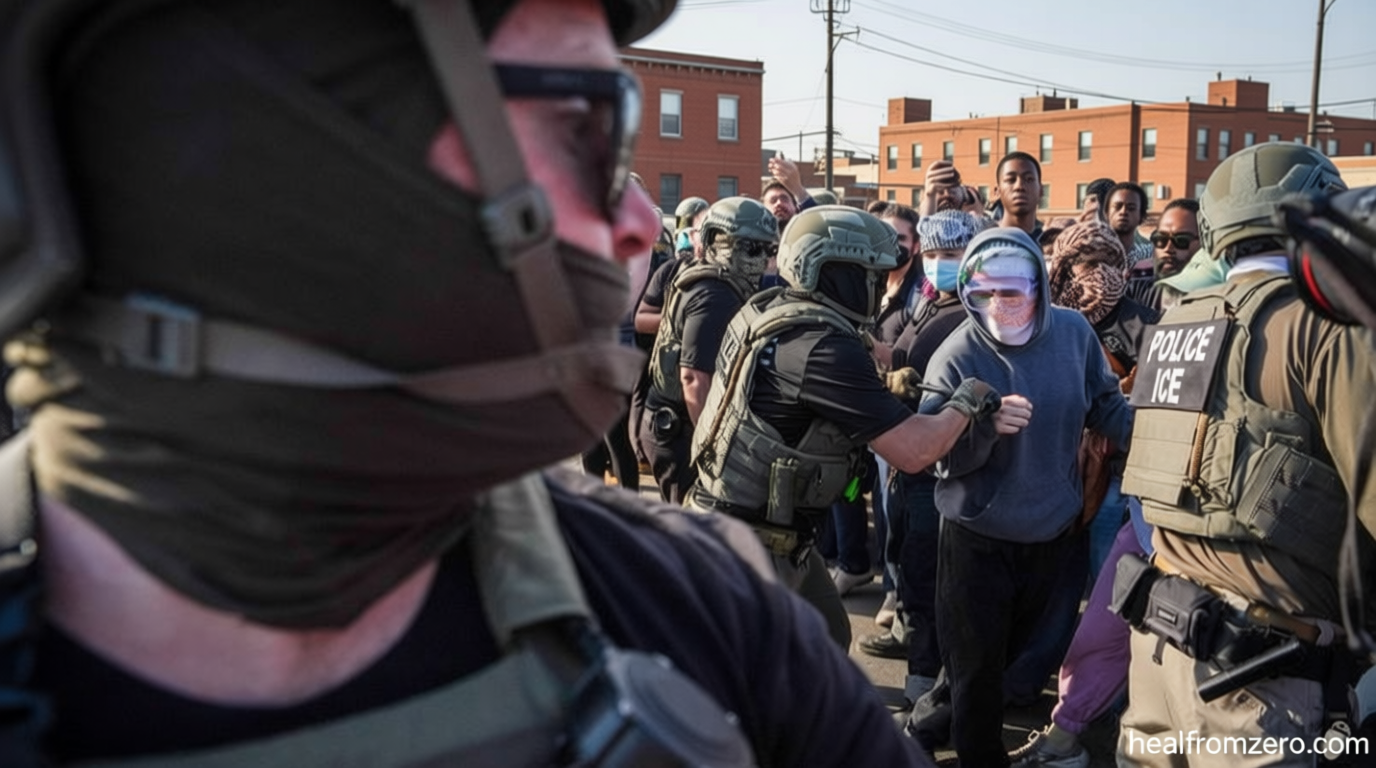
Flashpoints and fury – A quiet industrial district on the edge of Newark, New Jersey, has become the focal point of heated demonstrations this week. For several days, crowds of activists and concerned citizens have gathered outside a federal detention center, clashing with law enforcement agents in a show of defiance. The growing unrest follows the Trump administration’s aggressive immigration policies, which have intensified scrutiny on the conditions within Delaney Hall—a 1,000-bed facility operated by the GEO Group. The protests have prompted calls for greater oversight, with lawmakers and community leaders vying for a deeper understanding of the situation unfolding in this unassuming part of the city.
Delaney Hall, situated along a bustling highway that sees frequent traffic from large commercial trucks, has been a flashpoint for public frustration. The facility’s proximity to the city’s economic heart has drawn attention to its role in the broader immigration debate. This week, the tension escalated as protesters and federal agents engaged in confrontations, with some lawmakers attempting to assess the conditions firsthand. New Jersey Governor Mikie Sherrill, a Democrat, joined the fray during a holiday weekend, hoping to see inside the detention center. However, initial access was denied, sparking questions about transparency and accountability.
After a brief delay, Sherrill and other officials were granted entry, allowing them to tour the facility and gather firsthand accounts of its operations. The experience, according to some lawmakers, highlighted the stark contrast between the facility’s internal conditions and the external chaos. Sen. Andy Kim, also a Democrat, visited Delaney Hall on Monday and spoke with detainees about their experiences. “The images we witnessed—what happened—it honestly felt very familiar because we’ve seen it online. We’ve seen it on TV. To see it in person is surreal,” Kim remarked in a statement, underscoring the emotional weight of the situation.
“But what we see is, unfortunately, the normalization of this violence in America.”
Kim’s visit coincided with a standoff between ICE agents and protesters, where tensions peaked during a brief encounter involving pepper spray. The lawmaker, who tried to mediate the conflict, was temporarily incapacitated by the chemical agent, a moment that captured the intensity of the protests. The demonstrations, which have fluctuated between hundreds of participants and small groups, have created a dynamic environment around the facility. As crowds gather daily, the atmosphere has shifted between confrontation and calm, with protesters demanding better treatment for detainees and agents maintaining a firm presence.
Friday brought further developments as workers from the GEO Group took steps to reinforce the facility’s boundaries. Yellow lines were painted on the sidewalk, and “private property” signs were erected near the main entry points. Surveillance cameras were also installed, signaling a proactive effort to monitor the activities outside. The move came as the state government prepared to step in and manage the protest area. Later that day, New Jersey Governor Sherrill announced that state police would assume responsibility for establishing a “peaceful, protected protest zone” around Delaney Hall.
DHS officials praised the state’s intervention, calling it a “win for law and order.” Yet they also reiterated their stance, emphasizing that the governor had initially resisted allowing state police to assist ICE agents during the protests. This disagreement highlights the growing divide between federal and state authorities over the handling of the situation. “A limited number did not comply with repeated requests to clear a safe passage for the vehicles and took dangerous actions, including deploying fireworks and throwing gas canisters at law enforcement, that put everyone in harm’s way,” said New Jersey Attorney General Jennifer Davenport in a statement, describing the Friday night clashes.
The state police’s involvement has introduced a new layer of complexity to the protests. Troopers, including those on horseback, moved to secure the facility’s perimeter while clearing a path for exiting vehicles. This action, though aimed at maintaining order, intensified the friction with demonstrators. The New Jersey Health Department, meanwhile, sought to conduct a public health and food safety inspection in response to ongoing complaints. However, their efforts were restricted to the food service area, as access to other parts of the facility was limited.
DHS has continued to defend its operations, even as evidence of poor conditions mounts. In an effort to maintain control, the agency is considering reallocating resources, including pulling Customs and Border Protection officers from duty at Newark Airport. This decision could lead to potential disruptions in air travel, underscoring the far-reaching implications of the protests. The federal government’s response has been met with mixed reactions, as some argue that the crackdown on immigration is necessary, while others see it as an indicator of escalating tensions.
Amid the chaos, a planned “Support ICE” rally is set for Saturday, aiming to counter the narrative of inhumane treatment. The event is expected to draw both supporters and critics, reflecting the polarized views on the agency’s role. As the protests continue, the facility remains a symbol of the broader debate surrounding immigration policy. The presence of law enforcement, the installation of surveillance equipment, and the shifting dynamics between protesters and officials all point to a situation that is both urgent and evolving.
The protests at Delaney Hall have not only drawn attention to the conditions within but also to the broader challenges facing the immigration system. With the state police taking the lead in managing the protest zone, the focus is now on balancing public safety with the rights of those detained. As the week unfolds, the facility stands as a microcosm of the national conversation on immigration, where policy, protest, and law enforcement intersect in a volatile environment.
Contributors to this report include CNN’s Taylor Romine, Sarah Boxer, Chris Boyette, Sarah Dewberry, and Hanna Park.