Pregnant woman and son from Ghana have been detained for more than a week at Dulles Airport, attorneys say

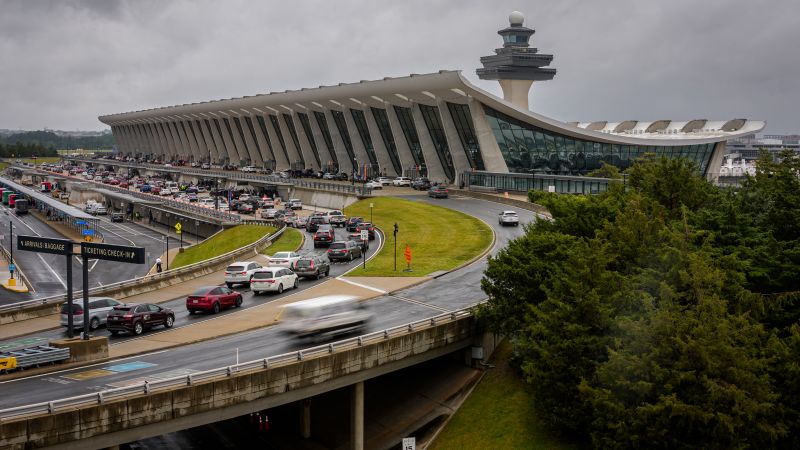
Pregnant Woman and Son from Ghana Face Indefinite Detention at Dulles Airport
Pregnant woman and son from Ghana – Anabella Gyasi, a 38-year-old Ghanaian mother, and her 4-year-old son have been held at Washington Dulles International Airport for over a week. Their detention, which began more than a week ago when they arrived on tourist visas, continues as their legal team asserts they are confined to “a windowless room with a single bed and toilet.” The situation has drawn attention from attorneys who argue the detention is unlawful, raising concerns about the treatment of families seeking asylum under current immigration policies.
Legal Proceedings and Claims of Illegal Detention
A federal judge is scheduled to review the case on Friday, focusing on Gyasi’s future. According to court documents, she came to the U.S. for a medical appointment related to her son’s condition, which includes severe physical abnormalities affecting both hands. However, Gyasi also informed authorities of her intention to seek asylum, a claim that her attorneys say is being exploited to hold her and her child in “dangerous conditions.”
“Ms. Gyasi secured the necessary visas for her son’s medical appointment, and by detaining them in dangerous conditions anyway, Customs and Border Protection is breaking the law and putting the Trump administration’s cruel anti-immigrant agenda before basic human dignity and the Constitution,” said Dorna Maryam Movasseghi, an attorney with the American Civil Liberties Union of Virginia.
Gyasi’s legal team filed a petition for her release, emphasizing the strain on her health due to the detention. They allege that her medical needs are being neglected, with her suffering from lightheadedness and vaginal bleeding. Doctors have linked her symptoms to high stress and elevated blood pressure, conditions exacerbated by the lack of adequate food and care. The petition claims that CBP officers denied her requests to purchase meals, limiting her to the rations provided, which she described as unsuitable for her and her son.
Government’s Argument and Asylum Denial
In contrast, the Trump administration’s court filing states that Gyasi “admitted under oath … her intent was not to leave the United States to return to Ghana.” This argument hinges on the idea that she was not seeking asylum when she arrived, despite her later claims. The government further notes that an immigration judge denied her asylum request three days ago, effectively sealing her fate as a candidate for deportation.
Gyasi’s case is part of a broader trend of expedited removals, with the federal court system struggling to keep pace with the administration’s aggressive enforcement strategies. Her son’s medical condition, which required treatment two years prior but was deemed too urgent at the time, has become a central issue in her legal battle. The petition states that their tourist visas are valid until 2028, yet they are unable to board a flight to Ohio where the medical care is based.
Persecution Claims and Emotional Toll
Gyasi’s asylum claim stems from her fear of returning to Ghana, where her mother allegedly expressed a desire to kill her son as an infant due to his physical abnormalities. A government transcript of her interview with an immigration officer includes this statement: “My mother is a traditional priest and when she saw my child as a baby and his disability, she said I should kill him.” This narrative, according to the court filing, led to her credible fear interview and the subsequent determination that she poses a threat to U.S. interests.
Despite this, Gyasi’s attorneys argue that her case highlights the system’s failure to account for the vulnerability of families in detention. They mention that she has been hospitalized twice in the past week, first for lightheadedness and then for vaginal bleeding, which doctors attribute to the stress of confinement. The petition states that the medical staff had to intervene by feeding her and providing food for her to take home, as CBP officers allegedly refused to allow her to buy meals for herself and her son.
Four days after their arrival, Gyasi reportedly agreed to deportation, fearing the loss of her unborn child. She told a CBP officer, “Because I’m pregnant, I am getting weaker and weaker by the day.” Her son, meanwhile, has spent much of the time crying due to hunger, as the family was restricted to the food provided by immigration authorities. The legal team now contends that the detention has turned into an indefinite layover, jeopardizing the health of both mother and child.
Broader Implications of the Immigration Crackdown
Gyasi’s situation underscores the tensions within the U.S. immigration system, particularly under the Trump administration’s policies. The federal court system, already overwhelmed by the volume of cases, is being tested as families like hers are caught in a legal limbo. Her case is among the latest to challenge the administration’s approach to asylum and deportation, which critics argue prioritizes efficiency over compassion.
The attorney’s petition also underscores the emotional and physical toll of prolonged detention. Gyasi’s son, who had been treated in the U.S. previously, is now facing the same challenges in a different context. The family’s arrival on tourist visas—intended for a medical appointment—has become a pivotal point in their legal dispute. While the visas are valid until 2028, the administration is using them as a basis for denying her asylum, despite her claims of persecution.
As the court prepares to address Gyasi’s fate, her legal team is urging the judge to consider her condition and the broader implications of her detention. They argue that the current policy not only risks the health of individuals but also undermines the constitutional rights of those seeking refuge. The case has sparked debate about whether the U.S. is upholding its obligations to protect vulnerable populations, including pregnant women and children.
Family’s Journey and Medical Necessity
Gyasi and her son had previously traveled to the U.S. for treatment at Akron Children’s Hospital, where the son was evaluated for potential surgery. However, at that time, he was considered too young for the procedure. Now, after two years of waiting, the family is back for a second opportunity to address his condition. Their return, however, has been stalled by the immigration process, leaving them in a state of uncertainty.
The legal team has highlighted the irony of their situation: a mother who arrived on a tourist visa to secure medical care for her son is now detained for over a week, with no clear path to release. The attorneys emphasize that the conditions of detention—lack of food, medical care, and basic amenities—contradict the purpose of the visa and the intent of the asylum process. They stress that the mother’s health is deteriorating, with her hospitalizations indicating the severity of the situation.
As the hearing approaches, the focus remains on whether Gyasi’s detention is a necessary step in the removal process or a violation of her rights. Her attorneys are pushing for immediate action, citing the risk of her unborn child suffering due to the stress of confinement. The case has become a symbol of the challenges faced by families in the U.S. immigration system, where medical needs and personal fears are often overshadowed by bureaucratic procedures and enforcement priorities.
The administration’s position, as outlined in its court filing, is that Gyasi’s initial admission of not intending to return to Ghana invalidates her asylum claim. Yet, the legal team argues that the mother’s statement of fear was made during questioning and should be considered alongside her medical justification for entering the U.S. This conflict between the administration’s strict policies and the family’s personal circumstances is at the heart of the ongoing legal battle.
With the federal judge set to decide the case, the outcome could set a precedent for similar situations. Gyasi’s attorneys are hopeful that the court will recognize the urgency of her condition and the constitutional rights she and her son are being denied. The case has also drawn support from advocacy groups, who are calling attention to the plight of families trapped in detention centers under the weight of expedited removal policies.