After 250 years, Revolutionary War-era soldiers finally laid to rest in upstate New York

After 250 Years, Revolutionary War-Era Soldiers Finally Laid to Rest in Upstate New York
After 250 years Revolutionary War era soldiers – On Memorial Day weekend, a poignant chapter in American history was rekindled as 40 Revolutionary War-era soldiers, long forgotten by time, found their final resting place in the scenic southeastern Adirondack Mountains. The ceremony, held in upstate New York, marked a significant milestone in honoring the sacrifices of those who fought for independence during the 18th century. After a seven-year search that began with an unexpected discovery at a construction site, their remains now rest in a newly established memorial, symbolizing a long-overdue tribute to the past.
A Solitary Procession Through History
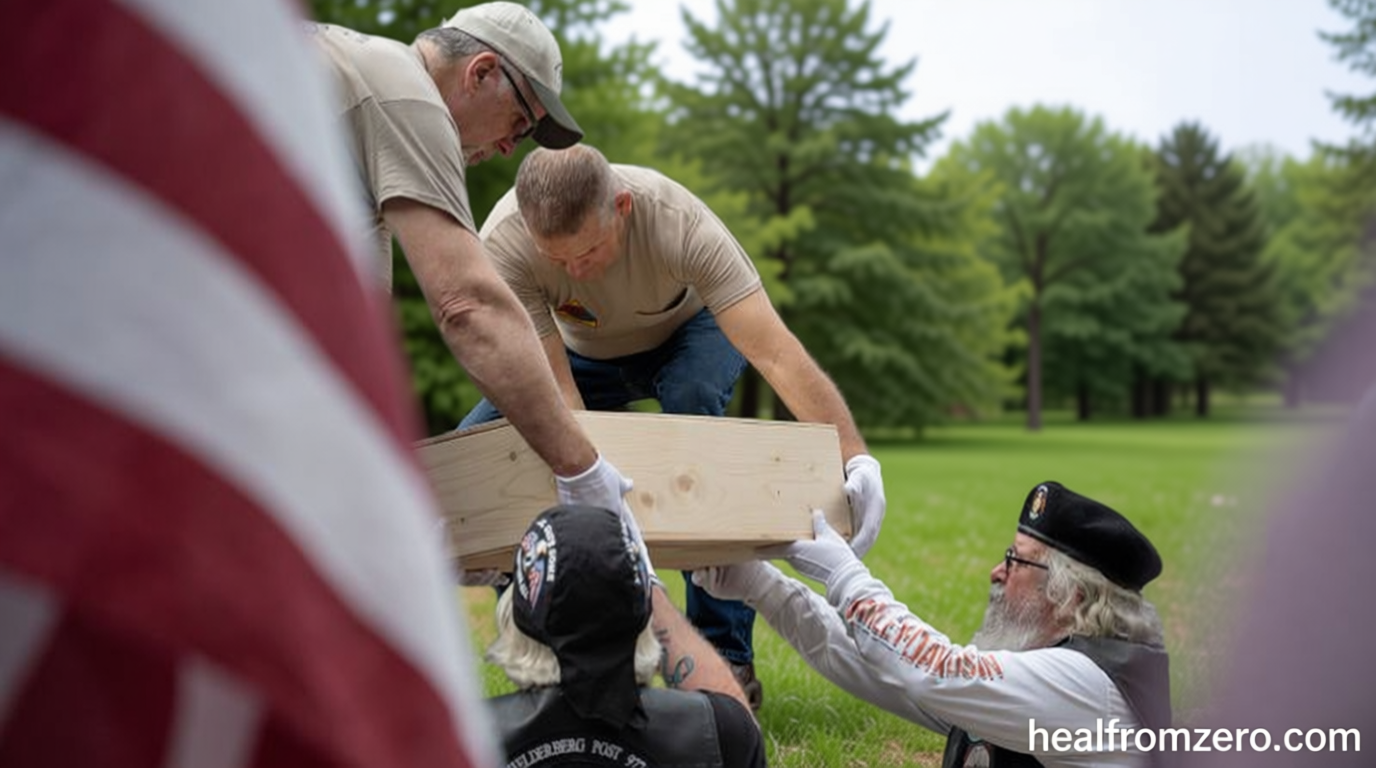
The reburial event unfolded with solemnity, as former military personnel carefully transported small pine caskets from the New York State Museum in Albany. These containers, draped in black funeral bunting and American flags, were loaded onto vintage military vehicles for a 60-mile journey northward to Lake George Battlefield Park. Along the route, local residents gathered to wave flags and pay silent homage to the procession, a gesture that highlighted the deep reverence for the soldiers’ legacy. This act of remembrance contrasted sharply with the conditions they likely faced during their time in the war, where survival was often uncertain and dignity was hard to come by.
“They were predominantly young, in their teens and twenties, probably recent recruits in the fight for independence,” said Lisa Anderson, the museum’s curator of bioarchaeology. “Among them also was a woman and a child, a poignant reminder of the extreme hardship for families during wartime. It is a privilege to help share their stories.”
The 250th Anniversary and a New Memorial
As the nation commemorates the 250th anniversary of the American Revolution, the reinterment of these soldiers took place at the Repose of the Fallen memorial in Lake George Battlefield Park. This site, located approximately 200 miles north of New York City, now serves as a fitting resting place for the remains that were unearthed during construction work in 2019. The ceremony, complete with full military honors, ensured that the soldiers received the respect they were denied during their final days. “As our nation approaches its semiquincentennial, their reinterment carries profound meaning — an act of dignity, remembrance, and gratitude,” added Jennifer Saunders, the museum’s executive director. She emphasized that preserving their stories allows them to be remembered not as distant relics but as individuals who contributed to the nation’s founding.
Unearthing the Past in a Frozen Moment
The journey to this moment began in 2019 when construction crews at a site near Lake George stumbled upon unmarked graves containing skeletal remains that had lain undisturbed for centuries. The discovery, made during routine excavation, revealed artifacts such as pewter military buttons from the First Pennsylvania Battalion, a unit formed in 1775. These items, along with the condition of the bones, provided crucial evidence linking the site to the Revolutionary War. “Conditions at the hospital at Fort George were not like we think of hospitals today,” Anderson explained in a recent lecture. “It was essentially a place to warehouse, and in this case, just isolate the sick.”
Before this discovery, Lake George was more closely associated with the French and Indian War, a conflict that shaped much of its historical narrative. “This entire episode has largely remained a footnote in history, particularly in Lake George — overshadowed by the much more dramatic events of the French and Indian War,” Anderson noted. The site, now linked to the Revolutionary War, was once home to a makeshift smallpox hospital where soldiers were treated during the 1775–1776 Quebec Campaign. The campaign, aimed at making Quebec the 14th American colony, ended in failure, leaving many soldiers to perish and be buried in the frozen earth.
“What little is known about their stories is coming to light on the eve of the 250th anniversary of America’s war for freedom from the British,” Saunders remarked. “Their reinterment is not just a tribute to the past but a celebration of the values they fought to uphold.”
Reconstructing a Forgotten Legacy
Following the initial discovery, Anderson and a team of scientists spent months meticulously sifting through the soil to recover as many remains as possible. The process involved careful analysis of bones, including skulls, arm fragments, and parts of pelvises and femurs, from 44 individuals. These findings offered insights into the lives and deaths of the soldiers, revealing the harsh realities of wartime existence. “The site was a burial ground for those who fell ill during the campaign,” Anderson explained. “It reflects the vulnerability of even the most determined fighters in the face of disease and adversity.”
The soldiers’ remains, which had been buried in the cold, harsh conditions of Lake George, now rest in a memorial designed to honor their service. The event was not only a celebration of their lives but also a bridge connecting the past to the present, as the community came together to recognize the historical significance of the site. “They were part of a failed Continental Army campaign, beginning in 1775, to make Quebec the 14th colony,” Saunders added. “Their sacrifices, though unfulfilled in their lifetime, are now celebrated in a way that reflects the importance of their role in shaping the nation.”
The reburial process itself was a blend of tradition and modernity, with vintage vehicles and ceremonial rites symbolizing both the era they represented and the care taken to honor them today. For the families who had endured the hardships of war, the event served as a bittersweet reminder of the past. “The presence of a woman and a child among the remains underscores the personal toll of the conflict,” Anderson reflected. “These soldiers were not just figures in a historical struggle; they were individuals whose lives were deeply intertwined with the fate of their nation.”
Lake George, once a backdrop to colonial battles, now holds a new place in American history as the site of this solemn tribute. The excavation and reburial efforts have brought to light a story that was previously overlooked, highlighting the resilience of those who fought during the Revolutionary War. The event also serves as a testament to the enduring power of history to shape collective memory, ensuring that the sacrifices of these soldiers are not forgotten. As the nation marks this milestone, the memorial stands as a powerful reminder of the cost of freedom and the importance of preserving the stories of those who paved the way.
From the frozen ground of Lake George to the ceremonial grounds of a modern memorial, the journey of these soldiers’ remains exemplifies the intersection of past and present. Their reinterment, 250 years after the Declaration of Independence, is a fitting acknowledgment of the courage and determination that defined their era. Through this act, the community not only honors the individuals who died but also reinforces the values of independence, unity, and remembrance that remain central to American identity.