
A 6-year-old shot his teacher in class. Now the school’s former assistant principal is on trial
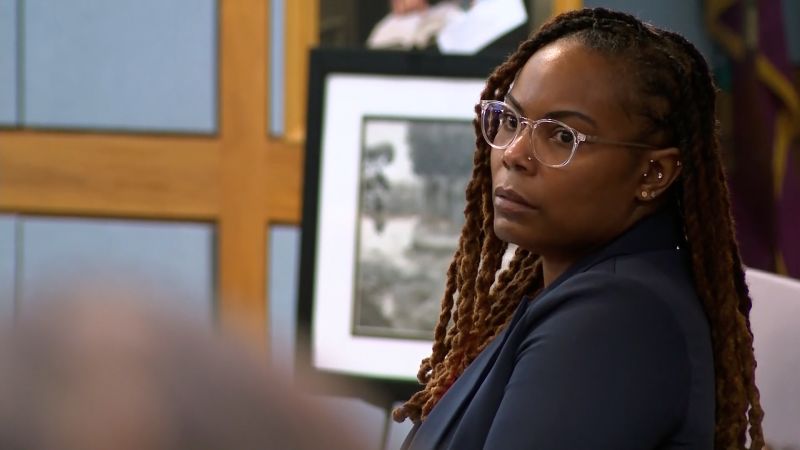
Former Assistant Principal Faces Criminal Trial After 6-Year-Old Student Shoots Teacher
A 6 year old shot his teacher – More than three years after a 6-year-old boy fired a gun at his teacher during a classroom session, a Virginia school official is now standing trial on felony child abuse charges. Ebony Parker, the former assistant principal at Richneck Elementary in Newport News, is accused of neglecting warnings that led to the incident in which a first-grade teacher, Abby Zwerner, was shot in the chest and hand. The teacher survived, though the trauma of the event left lasting scars. The case, which began on Monday, is part of a growing legal landscape examining accountability in school shootings involving juveniles.
The Shooting and Its Aftermath
On January 6, 2023, the boy brought a gun to school, concealed in his backpack. The weapon, unsecured and accessible, was taken from his mother’s purse before the incident. According to officials, Zwerner was seated at her classroom table when the child approached and fired. The attack sent shockwaves through the school community, prompting immediate consequences for several staff members. Parker resigned two weeks after the shooting, while the principal was reassigned. The school board also voted to remove the superintendent, signaling a shift in leadership following the tragedy.
After recovering from her injuries, Zwerner filed a $40 million lawsuit against Parker, alleging the assistant principal was informed at least three times that the student possessed a firearm. The civil trial, which concluded in November, resulted in a $10 million jury award for the teacher. This verdict, however, is now a pivotal element of the criminal case against Parker. The civil proceedings provided a glimpse into the emotional and psychological toll of the event, with Zwerner’s testimony highlighting the moment of the shooting and its profound impact on her life.
“I thought I was on my way to heaven or in heaven,” Zwerner recounted during the civil trial. Her words underscore the surreal nature of the attack, which left her with a hand injury that complicates daily tasks like opening a water bottle. She also described feeling numb around people, a lingering effect of the trauma. A psychiatrist testified that she developed post-traumatic stress disorder as a result of the incident, further emphasizing the severity of her injuries.
While the criminal trial focuses on Parker’s actions, the civil case set the stage for the arguments that will unfold in the courtroom. Zwerner’s attorney, Kevin Biniazan, stressed that a gun in a classroom demands immediate investigation. “A gun changes everything. You stop and you investigate. You get to the bottom of it,” he said. “You get to the bottom of that backpack. You get to the bottom of his pockets, whatever it is. You get to the bottom of it to know whether that gun is real and on campus.”
Parker’s defense, led by attorney Sandra Douglas, countered that the shooting was unforeseeable. “It was a tragedy that, until that day, was unprecedented,” Douglas argued. “It was unthinkable and it was unforeseeable, and I ask that you please not compound that tragedy by blaming Dr. Parker for it.” The defense called only one witness—an expert in education administration and school safety—who testified that Parker did not breach professional standards. This minimal testimony contrasts sharply with the prosecution’s plan to present Zwerner’s account as central evidence.
The Legal Context of the Case
Parker is charged with eight counts of felony child abuse and disregard for life, one for each bullet fired. Each count carries a potential penalty of up to five years in prison. The charges allege that Parker’s “willful act or omission” in the care of students demonstrated a reckless disregard for human life. This legal framework positions her as the first educator in recent years to face trial in a case involving a juvenile school shooting. Parents in Michigan and Georgia have previously been convicted of serious charges for similar incidents, but Parker’s case marks a new chapter in holding school officials accountable.
The trial, expected to last about three days, has already entered its first phase with jury selection. The prosecution’s strategy includes calling Zwerner to the stand, where she will recount the details of the shooting. Her testimony will likely focus on the student’s “blank look” as he aimed at her, a moment she described as both terrifying and surreal. This account could be crucial in proving that Parker’s inaction contributed to the harm caused.
Meanwhile, the boy’s mother, Deja Taylor, has already faced her own consequences. She pleaded guilty to a state charge of felony child neglect in 2023 and received a two-year prison sentence, along with a 21-month federal term for related offenses. Taylor was released from state custody to community supervision on May 13, according to the Virginia Department of Corrections. Prosecutors have stated that the child, who exhibits “extreme emotional issues,” will not be criminally charged, shifting the focus to the adults involved in the incident.
Implications for School Safety and Accountability
This trial has sparked broader discussions about the responsibilities of educators and administrators in preventing school violence. The case highlights the need for heightened vigilance in identifying potential threats, particularly in environments where young children have access to firearms. Parker’s attorneys argue that the school system’s response to the shooting was reactive rather than proactive, and that the incident could not have been predicted with certainty.
Yet, the prosecution maintains that Parker’s failure to investigate the reports of the gun in the student’s possession was a direct cause of the tragedy. The civil jury’s $10 million award for Zwerner’s injuries and pain could influence the criminal proceedings, as it establishes that the assistant principal’s actions were not only negligent but also significant enough to warrant legal consequences. The trial now serves as a test case for determining whether educators can be held liable for the actions of students they failed to monitor.
As the courtroom proceedings unfold, the case will be closely watched by legal experts and school administrators alike. It may set a precedent for future cases where teachers or staff are accused of neglecting safety protocols. For Zwerner, the trial represents a chance to seek justice for the trauma she endured, while for Parker, it is a high-stakes opportunity to defend her role in the incident. The outcome could reshape how schools approach the prevention of gun-related violence in their classrooms.