
Border Patrol chief Michael Banks resigns his position
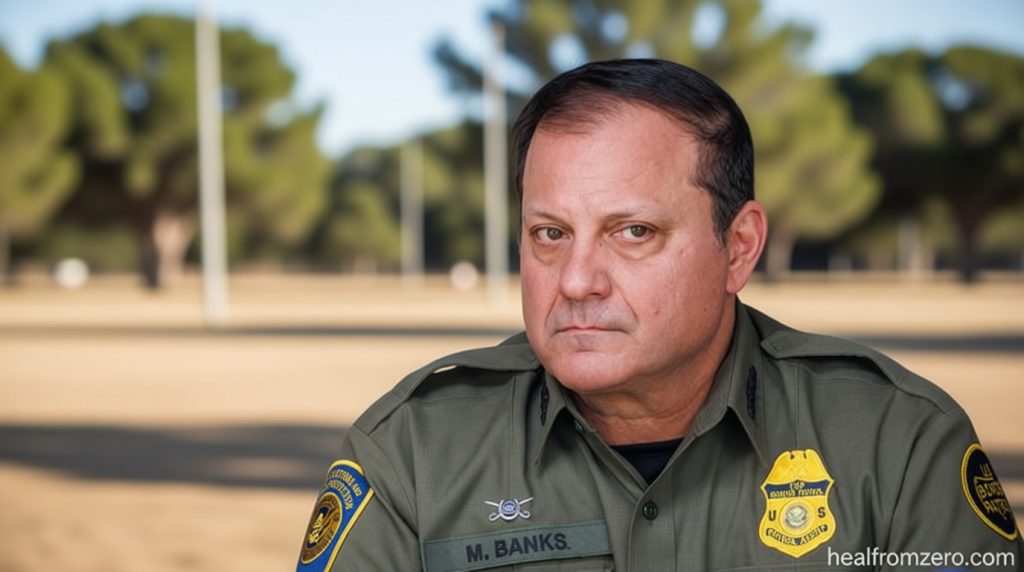
Border Patrol Chief Michael Banks Resigns After 37 Years of Service
Border Patrol chief Michael Banks resigns – On Thursday, US Border Patrol Chief Michael Banks announced his resignation to CNN, effective immediately. This move has sparked renewed attention on the leadership changes within the Department of Homeland Security (DHS), as it marks the third significant departure from the agency’s top ranks in just two months. Banks’ departure comes amid a series of resignations that have raised questions about the stability of the department’s management under the current administration.
Legacy of Public Service and Border Security
Banks, a seasoned official with decades of experience in immigration enforcement, cited personal reasons for stepping down. In a statement, he expressed pride in his contributions to the Border Patrol and highlighted the progress made during his tenure. “Now is my time to enjoy family and life,” he said, emphasizing his commitment to the nation’s security while reflecting on his long career.
“After almost 37 years of public service now is my time to enjoy family and life,” Banks said.
His resignation follows a period of intense scrutiny for the DHS, which has been at the heart of debates over immigration policy. Customs and Border Protection Commissioner Rodney Scott praised Banks’ dedication, calling his service “decades of commitment to this country.” Scott’s acknowledgment underscores the value of Banks’ experience, particularly in navigating the complex challenges of border security.
Banks’ career has been defined by a mix of federal and state-level roles. Before becoming the national Border Patrol chief, he served as Texas’ border czar, advising Governor Greg Abbott on the state’s response to what officials termed a surge in illegal immigration under President Joe Biden’s administration. His leadership during Operation Lone Star, a key initiative in Texas, drew strong support from former President Donald Trump, who had previously appointed him to the position in January 2025.
Political Context and Leadership Shifts
The timing of Banks’ resignation appears to align with broader political dynamics within the DHS. Trump, who had championed stricter border controls, had installed Banks as the head of the Border Patrol in early 2025, signaling his continued emphasis on securing the nation’s borders. However, Banks’ tenure also saw the rise of another influential figure within the agency: Gregory Bovino, a subordinate who took charge of the interior immigration crackdown. Bovino’s aggressive approach, which included increased enforcement actions, earned approval from then-Secretary Kristi Noem, but also sparked internal disagreements among agents.
Noem’s own departure from the DHS secretary role in March further complicated the agency’s leadership structure. Her removal followed a series of controversies, including excessive federal spending on advertising campaigns and the fatal shootings of two US citizens by officers in Minneapolis. The appointment of Markwayne Mullin as her replacement marked a shift in focus, with Mullin now overseeing the department’s operations as part of Trump’s immigration agenda.
Banks’ resignation adds to a pattern of turnover that has characterized the DHS in recent months. Earlier this year, acting Immigration and Customs Enforcement Director Todd Lyons also announced his intent to step down, citing a desire to prioritize family time. His last day at the agency will be May 31, paving the way for David Venturella, a veteran immigration official and former executive at a private prison firm, to take his place. Venturella’s appointment suggests a continued emphasis on operational efficiency and cost-cutting measures within the department.
Operational Challenges and Internal Tensions
The Border Patrol’s recent leadership changes have coincided with heightened operational pressures. Under Banks’ leadership, the agency faced the dual challenges of managing a large influx of migrants and implementing policies that reflected the administration’s hardline stance on immigration. The transition to Bovino’s leadership in the interior enforcement sector highlighted the division between different factions within the DHS, with some agents criticizing the aggressive tactics employed during his tenure.
Banks’ role in Texas as border czar was pivotal during the state’s response to the border crisis. His work with Governor Abbott during Operation Lone Star positioned him as a key advocate for stricter immigration controls, a stance that resonated with Trump’s campaign promises. The operation, which included the deployment of additional resources to secure the border, was celebrated by Trump as a successful example of federal action. However, critics have questioned its long-term effectiveness and the costs associated with its implementation.
The current administration’s approach to immigration has been marked by a series of rapid decisions and personnel changes. Banks’ resignation, along with those of Noem and Lyons, reflects the evolving priorities within the DHS. While the agency has historically been a cornerstone of Trump’s policy agenda, the recent turnover may signal a shift in strategy or a response to internal pressures.
Broader Implications for Homeland Security
As the DHS grapples with these leadership changes, the focus remains on maintaining border security while adapting to new political and operational demands. Banks’ departure leaves a void in the agency’s top leadership, but his legacy of service and dedication to the mission will likely be remembered as a critical chapter in the department’s history. The incoming officials, including Venturella, will now face the task of navigating the complexities of the border enforcement landscape.
Analysts suggest that the series of resignations may be a reflection of the challenges inherent in managing a large and multifaceted agency. With multiple high-profile exits, the DHS is undergoing a period of transition, which could lead to new directions in immigration policy. The agency’s role in enforcing federal laws, including the administration’s priorities, remains central to its mission, even as leadership shifts occur.
While Banks’ resignation is effective immediately, it also highlights the interconnectedness of the DHS’s various components. The Border Patrol, as part of the broader Customs and Border Protection (CBP) agency, operates within a system that is influenced by higher-level decisions. Banks’ experience in state and federal roles provided him with a unique perspective, but the rapid pace of change in the current administration may have led to his decision to step back.
The timing of his resignation also raises questions about the future of the Border Patrol’s leadership. With the agency now under new management, there is an opportunity to reassess strategies and priorities. However, the transition must be carefully managed to ensure continuity in the enforcement of immigration laws, which have been a focal point of political discourse in recent years.
In conclusion, the resignation of Michael Banks marks another step in the evolving narrative of the DHS. His 37 years of service have left a lasting impact, but the challenges of the current administration have prompted a new wave of leadership changes. As the department adjusts to these shifts, the focus remains on securing the nation’s borders and implementing policies that reflect the administration’s vision for immigration control.