
Tehran IVF clinic devastated by US-Israeli attack as hospitals and homes hit
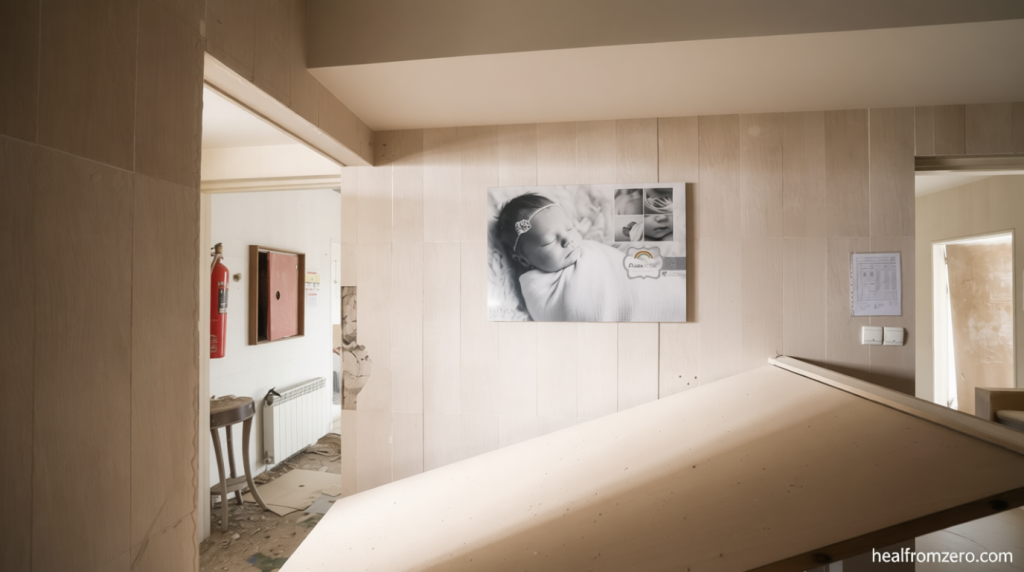
Tehran IVF clinic devastated by US-Israeli attack as hospitals and homes hit
The U.S. and Israel claim their strikes focus on Iran’s leadership, military, and nuclear facilities. Yet, the fallout extends far beyond strategic targets, leaving civilians in shock and communities in ruins.
A couple’s dream shattered
Mohsen and Firouzeh, who endured years of infertility struggles, had recently begun treatment at Tehran’s Ghandi hospital. Their journey toward parenthood was marked by perseverance, with Mohsen recalling the hospital staff’s dedication to their cause.
“After 10 years of trying, we finally had hope,” Mohsen shared. “The hospital staff worked so hard to help us.”
That hope was abruptly shattered on Sunday, the second day of a brutal U.S.-Israeli bombing campaign. A strike targeted the hospital, inflicting “very serious damage” on its fertility wing, which had become a beacon of medical progress in the region.
Dr. Mohammad Hassan Bani Asad, head of Ghandi hospital, confirmed that one staff member suffered severe injuries, including brain bleeding, requiring emergency surgery. The attack left Firouzeh emotionally devastated, unsure of the fate of their precious IVF samples.
“Now, after hearing about the attack on the IVF section, we feel like we are losing our minds,” Firouzeh said. “We don’t know what has happened. We don’t know what happened to our samples. We don’t know if all these years of effort and hope are gone.”
Iranians, including Mohsen and Firouzeh, often use only their first names to avoid identification in the war-torn capital. The assault on medical infrastructure has sparked outrage, with critics highlighting the human cost amid the strategic narrative.
More than just buildings
Across Iran, the strikes have left a trail of destruction. In Tehran, Negin witnessed an air attack on a nearby Army hospital. “I saw things that I would never have believed if I hadn’t seen them myself,” she told Middle East Eye.
Her account mirrors many others: fear, chaos, and loss. The attack targeted the Joint Staff headquarters and Revolutionary Court, yet residential homes on the same street were completely obliterated, claiming dozens of lives.
The Red Crescent Society reported at least 787 casualties, with over 150 cities hit. The destruction isn’t limited to hospitals. Golestan Palace, a UNESCO World Heritage Site, also sustained significant damage, symbolizing the cultural toll of the conflict.
Medical centers under fire
Dr. Mohammad Raiszadeh, head of Iran’s Medical Council, condemned the attacks on medical facilities. “They struck at least 10 centres across the country,” he said, drawing a stark parallel to Israel’s bombardment of hospitals during its campaign in Gaza.
Raiszadeh argued that international bodies like the World Health Organisation have failed to intervene effectively. “They showed during the Gaza tragedy that they cannot stop attacks on hospitals and medical centres,” he noted.
A nurse’s harrowing account
Salmaz, a nurse at Ghandi hospital, described the attack as a sudden, catastrophic event. “We were working as usual when we suddenly heard a loud blast,” she recounted. “The force of it threw me into the corner of my office. The building caught fire. Everyone was screaming and trying to escape.”
“In those terrible moments, we were just trying to save the babies,” Salmaz added. “I have never seen anything like this in my life. Only in movies.”
Despite the Israeli military’s claim of “minor and collateral damage,” the hospital’s staff paints a different picture. The attack, they say, targeted military infrastructure near the building, yet the IVF section’s devastation has become a symbol of civilian suffering.
Residential areas and offices also bore the brunt of the strikes. Mohammadali, a 32-year-old worker in central Tehran, described how his office was destroyed. “What does that have to do with the government or the Revolutionary Guard?” he questioned, as a colleague lay critically injured.
Niloufar Square in Tehran was another casualty of Sunday’s onslaught, further underscoring the indiscriminate nature of the attacks. The narrative of war has shifted from strategic objectives to widespread devastation, affecting every corner of Iranian society.