The Greens’ Gorton and Denton by-election win was about inclusion — not sectarianism

The Greens’ Gorton and Denton by-election win was about inclusion — not sectarianism
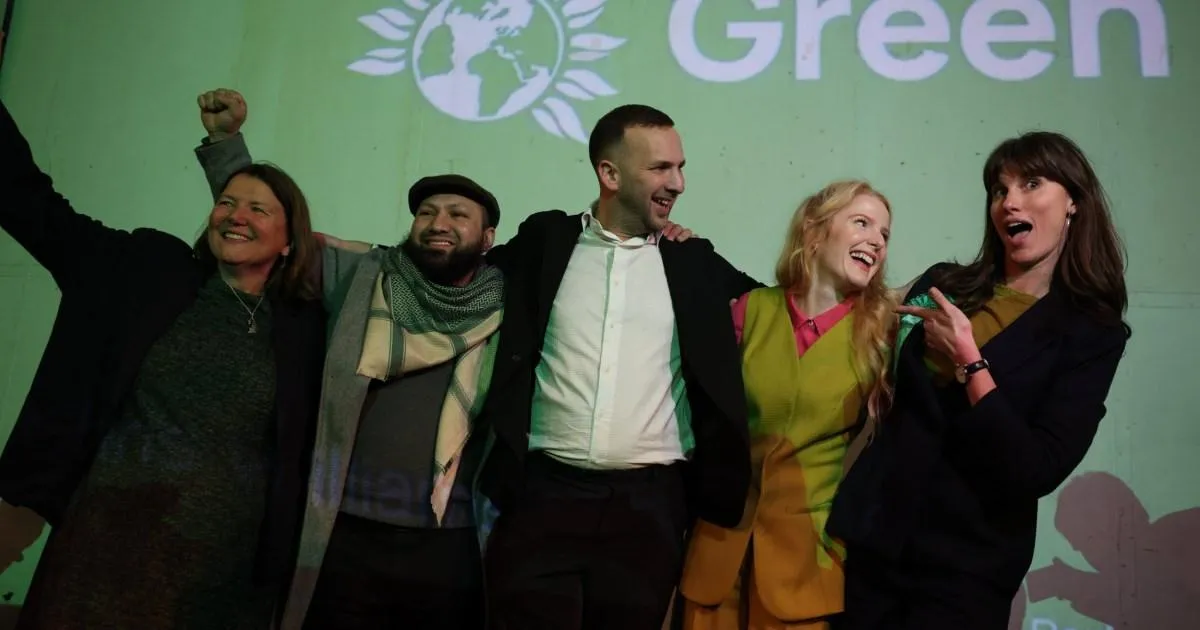
Last night marked a historic milestone. The Green Party secured its first parliamentary by-election victory in Gorton and Denton, a feat that defied expectations. It wasn’t just about overturning a once-unshakable Labour majority of over 13,000 votes—it was a statement of broader significance.
For the first time, the North of England saw a Green MP elected, but this result goes beyond that. It signals a shift in political dynamics, proving that a new kind of governance can emerge—one rooted in hope, unity, and inclusivity.
A message of hope and belonging
Winning this election meant more than policy victories or a standout candidate like Hannah Spencer. It meant delivering a message that resonated deeply with communities often overlooked. In places where nearly 40% of residents are Muslim, and many speak languages such as Urdu, Bangla, or Arabic at home, the Greens showed they could bridge divides.
Traditional politics often speaks to people in a single, homogenized voice—English, and specifically the kind associated with Westminster. That’s why some critics, like Reform’s Matt Goodwin, struggled to connect. But when you speak in the language people use to express their lives, the impact is different.
“In a democracy, language should never be a barrier to participation; it should be a bridge.”
Breaking down barriers with multilingual outreach
Our campaign didn’t just translate messages into other languages—it embedded them in the cultural fabric of the community. A viral Urdu video was not a trick, but a genuine effort to reflect lived realities. It proved that when people feel seen, they are more likely to engage.
Policies on rent, healthcare, and community issues mattered equally to those who speak English or Punjabi, Somali, or other languages. This approach validated diverse experiences, making the political conversation more meaningful.
Reclaiming the narrative
Some politicians, including those who lost, have accused the Greens of using divisive tactics. But this criticism misses the mark. Multilingual outreach isn’t about splitting communities—it’s about inviting them into the fold. Like Zohran Mamdani’s successful campaigns in New York, which featured Arabic, Spanish, and Urdu materials, the Greens demonstrated how language can be a tool of connection, not division.
Such strategies highlight a truth: when people feel their voices are valued, they become active participants in democracy. The 26.5% swing toward the Greens in this election is a testament to that. It’s not just a parliamentary gain—it’s a movement toward a politics that enfranchises everyone, regardless of background.
This site is protected by reCAPTCHA and the Google Privacy Policy and Terms of Service apply. Your information will be used in line with our Privacy Policy