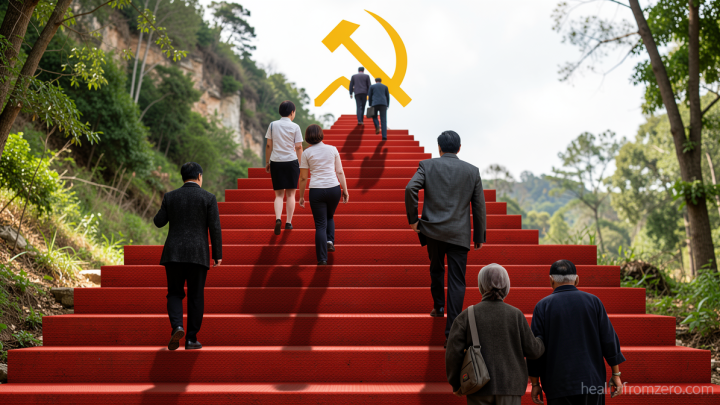
Canada won’t see Alberta seceding anytime soon. But what to do with the people who wanted to leave?

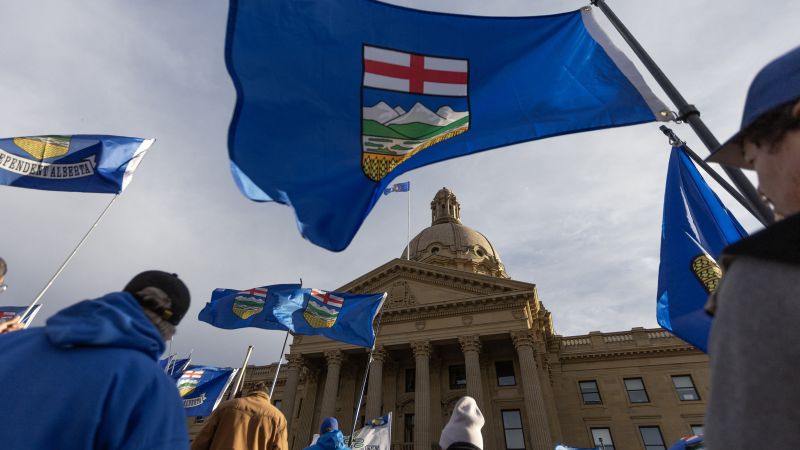
Alberta Separatism Vote Fails, but Movement Endures
Healfromzero.com – Canada won t see Alberta seceding anytime soon after voters rejected a proposal to hold a second, binding referendum on leaving the country. The preliminary result, defeated by roughly three votes to one, keeps Alberta firmly in Canada while showing that independence still has meaningful support among some voters.
More than 500,000 Albertans voted to pursue another independence vote, accounting for about one-quarter of ballots cast. That share was far too small to create a credible path to secession, but it remains a substantial political constituency that provincial leaders cannot simply ignore.
What the Alberta referendum result means
For supporters of national unity, the result offered a decisive rejection of an immediate push toward separation. Yet organizers argued that the campaign had built momentum for a relatively new movement, even if it did not achieve its central goal.
“We don’t see this as a setback,” separatist organizer Jeffrey Rath said Tuesday. “For a fledgling political movement, it was a major accomplishment and a hell of a victory.”
Political scientist Jared Wesley of the University of Alberta, who publicly supported staying in Canada during the campaign, said the voters who backed the independence question are unlikely to disengage. Canada won t see Alberta break away soon, but the ideas and grievances behind the campaign may move into other political debates.
Wesley described Alberta separatism as part of a broader far-right populist movement rather than an issue that will disappear after one referendum defeat.
“Separatism may have been rejected in Alberta, but they’ll move onto something else,” Wesley said. “Alberta separatism is only one element of a much broader, far-right populist movement in Canada.”
Immigration issues could shape the next campaign
Albertans also voted on five non-binding referendum questions related to immigration. The questions included whether the provincial government should have greater authority over immigration and whether voters should be required to show proof of citizenship. Unofficial results indicated that all five measures passed.
Because the questions are non-binding, they do not automatically change provincial or federal law. They may, however, influence political priorities and give separatist-aligned activists and conservative organizers issues around which to mobilize.
Wesley said the immigration results could point to the movement’s next focus. In his view, Alberta separatists have political similarities with the US-based MAGA movement and may adapt their message after losing on independence.
“They may lose on one issue, but they don’t go away,” Wesley said. “They adapt. They find another issue, and they seem to have found one on immigration.”
US connections brought both support and distrust
The campaign also drew attention for its ties to political figures and currents in the United States. US Treasury Secretary Scott Bessent and SpaceX founder Elon Musk were among prominent voices encouraging the cause. Rath and other separatists traveled to Washington seeking support from members of the Trump administration.
Cory Morgan, founder of the Alberta Independence Party in 2000, said the referendum confirmed that most Albertans were not ready to leave Canada. He called the campaign premature, while still viewing its vote total as a possible foundation for future organizing.
“The movement just isn’t ready, to be blunt,” Morgan said.
Morgan said trade tensions and President Donald Trump’s threats to annex Canada likely made national unity more important to voters. In that climate, outreach to Washington may have created mistrust rather than reassurance. Rath disagreed, arguing that the meetings could help secure US support if Alberta ever became independent.
FAQ: Alberta’s referendum and Canada
Did Alberta vote to leave Canada? No. Voters rejected the proposal to hold a second, binding referendum on Alberta leaving Canada by roughly three votes to one.
Will Canada see Alberta secede soon? Canada won t see Alberta secede anytime soon based on this result. However, more than 500,000 people supported another independence vote, ensuring the issue remains politically relevant.
What happens to the immigration referendum questions? The five questions were non-binding, so they do not themselves change the law. Their passage can still increase pressure on politicians to address immigration policy and provincial authority.