Oil prices jump amid record tanker attacks in Hormuz

Daftar Isi
Oil Market Rises as Tanker Security Risks Intensify in the Strait of Hormuz
Healfromzero.com – Oil prices moved sharply higher Thursday as shipping traffic through the Strait of Hormuz fell to its weakest level in more than two months and attacks on commercial tankers reached an unprecedented pace. The renewed disruption has put global energy markets on alert, underscoring how quickly threats to a vital maritime passage can affect fuel costs far beyond the Middle East.
Brent crude, the international benchmark, briefly gained more than 5% before easing slightly. By 8:30 a.m. ET, it was still up 4.8% at $105 per barrel. West Texas Intermediate, the main US benchmark, rose by a comparable amount to $92.48 per barrel.
Fewer crossings through a critical shipping route
Only seven tankers passed through the Strait of Hormuz on Tuesday, preliminary Kpler figures showed. That was less than half of the prior seven-day average and represented the smallest number of crossings since July 23.
The initial figures can later rise because some vessels move through the strait with identification systems switched off. These so-called dark transits are used by ships seeking to reduce their visibility, making it harder to establish a complete real-time picture of maritime activity.
Even with more of those less-visible journeys taking place, commercial shipping has faced a record number of attacks. Ten tankers were hit in the strait between September 28 and October 4, exceeding the prior weekly peak of six attacks, Kpler said Thursday.
The increase has occurred while larger volumes of crude continue to leave the Gulf. That combination illustrates the market’s central concern: supplies may still be moving, but the safety of crews and cargoes remains under severe pressure. Any further interruption could rapidly tighten available supplies for refiners and fuel buyers.
On Wednesday, a tanker said it had been hit by multiple projectiles, resulting in casualties, the UK Maritime Trade Operations agency said. The incident added to concerns that vessels transiting the area face risks that cannot be measured simply by counting barrels shipped.
“There is a clear tug-of-war at the moment between improving supply from the region and lingering threats to supply,” commodities strategists at ING wrote in a note Wednesday.
“The only way to see prices trade sustainably lower is for lingering risks to be addressed,” they added.
Why the Strait of Hormuz matters
The Strait of Hormuz is one of the world’s most important energy chokepoints, connecting Gulf producers to international markets. When tankers reduce crossings or face heightened danger, traders factor in the possibility that shipments could be delayed, diverted or interrupted. That risk premium can push crude prices higher even before a broad physical shortage appears.
For consumers, the impact is not limited to crude oil. Higher oil prices can feed into the cost of diesel, gasoline, heating fuels and goods moved by truck, rail or ship. European markets were already showing that wider effect, with natural gas and diesel prices also rising and adding to inflation concerns.
European benchmark natural gas prices approached their mid-September high earlier Thursday before retreating. ICE Gasoil Futures, a key indicator for European diesel costs, closed 6% higher Wednesday. Diesel is particularly important for freight transport, agriculture and industrial activity, meaning sustained increases can spread through the wider economy.
Hurricane risk adds to supply concerns
Energy markets were also weighing the prospect of additional supply losses in the United States as Hurricane Isais moved toward the Gulf Coast, a major refining center. Shell and Chevron said they would reduce production in the area and remove nonessential personnel.
Storm-related shutdowns can affect markets in two ways. Offshore production cuts reduce the immediate flow of crude, while damage or outages at refineries can limit the conversion of crude into usable fuels such as gasoline and diesel. With international shipping already under strain, the possibility of disruption at US refining facilities has added to price volatility.
Emergency stocks remain available
The International Energy Agency said member governments would not add to the 400 million barrels of oil previously agreed for release in March. Roughly 325 million barrels have already entered the market, while about 100 million more barrels are still expected to be made available.
That remaining amount includes the diesel release agreed by G7 countries last week. The agency said it would accelerate the scheduled releases, a move intended to help ease pressure in fuel markets where supplies remain especially sensitive to transport and refining disruptions.
“IEA Member governments still have significant levels of publicly held emergency oil stocks – equivalent to around 1.1 billion barrels, including over 200 million barrels of diesel,” the Paris-based energy body said.
“The IEA stands ready to release more of these stocks to the market if and when required.”
Emergency reserves can cushion sudden shortages, but they do not remove the underlying uncertainty surrounding safe access to shipping lanes and energy infrastructure. Markets will remain focused on whether tanker traffic recovers, whether attacks continue and how quickly released barrels reach refineries and end users.
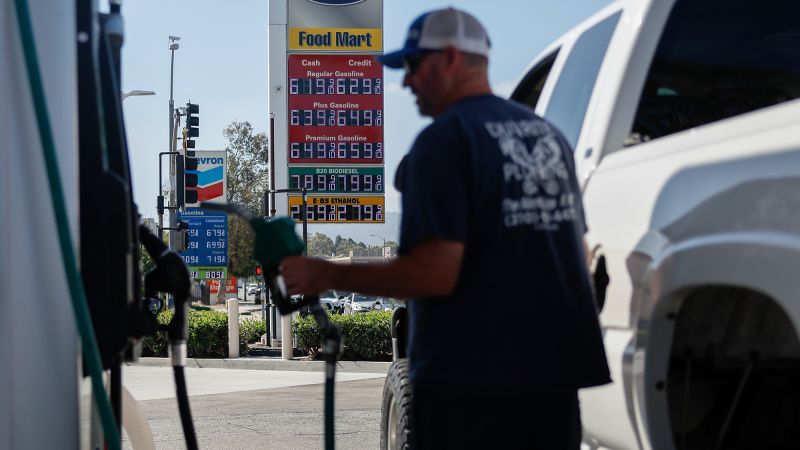
In the United States, average diesel prices edged down slightly Thursday to $6.28 per gallon. Regular gasoline held steady from the prior day at an average of $4.36 per gallon, AAA data showed. Those figures may offer some short-term relief for motorists, but the sharp rise in crude prices signals that fuel markets remain vulnerable to further disruption.
Related Reading
Frequently Asked Questions
What is Oil prices jump amid record tanker?
Oil prices jump amid record tanker is the main topic of this guide. The article explains the context, practical details, and next steps readers should understand.
Why does Oil prices jump amid record tanker matter?
Oil prices jump amid record tanker matters because readers are looking for a useful answer, not just a short summary. Good content should match search intent and help them decide what to do next.