Kennedy Center removes outdoor ‘Blue’ sculpture

Daftar Isi
Stick-Figure Sculpture Vanishes From Kennedy Center Grounds Amid Institutional Overhaul
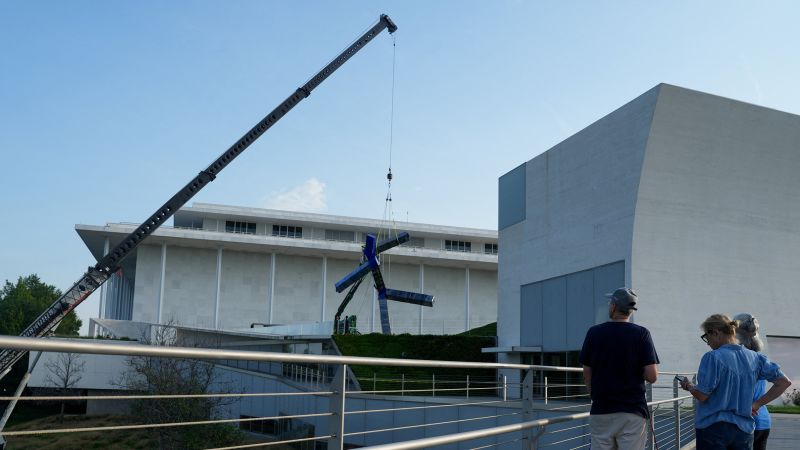
Healfromzero.com – On a Wednesday morning in early September 2026, heavy cranes descended on the Washington, D.C. campus of the Kennedy Center to dismantle a towering outdoor sculpture that had stood as a landmark of the institution’s public art collection for seven years. The National Park Service shut down a nearby roadway for several hours while workers carefully detached and hauled away sections of the steel figure. The removal marks the latest visible chapter in a sweeping effort by President Donald Trump to restructure the performing-arts organization he now chairs.
The Sculpture and Its Artist
The work, titled “Blue,” was created by American sculptor Joel Shapiro and depicts a simplified stick figure caught mid-kick, its elongated limbs frozen in a gesture that has drawn both admiration and playful mockery since its debut. Shapiro, known for large-scale abstracted human forms rendered in industrial materials, installed the piece outside the Kennedy Center in 2019. For nearly seven years the sculpture served as a visual anchor for visitors approaching the building along the Potomac River, its bold silhouette visible from surrounding streets and waterways.
The Center’s Official Position
A spokesperson for the Kennedy Center issued a public statement describing the removal as a routine “deinstallation,” a term the institution said reflects standard practice in the management of public art collections. The spokesperson expressed gratitude toward the artist:
“We are deeply grateful to Joel Shapiro for the years Blue has spent animating our campus and connecting visitors to his vision. We are honored to have been stewards of his vibrant work and a part of his enduring legacy.”
The language of stewardship and legacy, however, sits in tension with the circumstances surrounding the decision, which several insiders attribute to presidential preference rather than curatorial judgment.
A Curator’s Account and a Denial
Josef Palermo, who previously served as a curator at the institution, said he was instructed in September 2025 to strip every piece of outdoor sculpture from the grounds, including “Blue.” According to Palermo, the rationale given was that the president wanted “all new art for the reopening,” implying that the existing collection would be replaced wholesale when the center resumes operations after renovations. A person familiar with the matter, speaking on condition of anonymity, disputed Palermo’s characterization of the events, suggesting the timeline and motivation were more complicated than a single directive from the White House.
The White House has been contacted for comment and had not responded as of publication.
Broader Institutional Changes Under Presidential Leadership
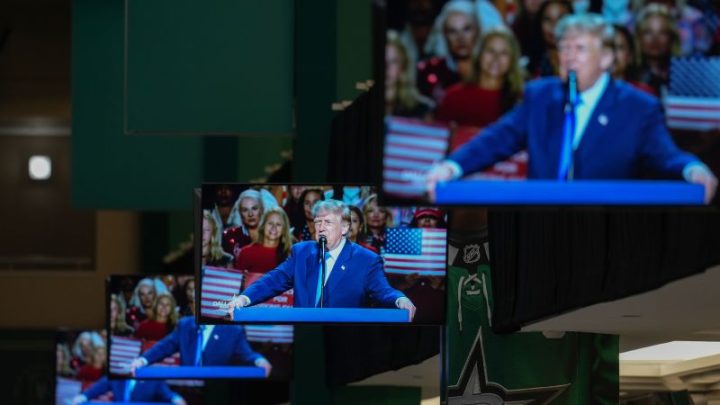
The sculpture’s removal does not occur in isolation. Since Trump returned to the presidency in January 2025, he has moved steadily to reshape the Kennedy Center’s governance and physical identity. He personally selected members of the center’s board of trustees and was subsequently elected to chair that board. The board then voted to append his surname to the building’s official name, a move that triggered legal challenges from preservation advocates and arts organizations who argued the change lacked proper authorization. The administration and the board have persisted in defending the renaming despite court rulings questioning its legality.
Earlier in 2026, Trump announced that the Kennedy Center would close for approximately two years of major renovations. The planned shutdown was set to begin on July 4, but a federal judge intervened, ruling that the renovation plans had been enacted unlawfully and blocking the closure. The administration and the board have continued to contest that ruling. Last month, attorneys representing the center went so far as to threaten demolition of the building itself if renovation work were not permitted to proceed, a statement that drew sharp criticism from preservation groups and members of Congress.
Activist and Public Reaction
The activist organization Hands Off the Arts, which advocates for public funding and independence of the arts, took to social media to condemn the removal. In an Instagram post, the group labeled the sculpture a “beloved figure” and called its dismantling “buffoonery.” The organization’s message carried an unmistakable barb aimed at the president:
“Wednesday, September 2, 2026 will forever be known as the day the United States government tore down a piece of public art at the behest of a petulant crybaby. But it won’t be the last.”
The post framed the event not as a single curatorial decision but as a symptom of what the group views as an ongoing pattern of political interference in artistic institutions.
What Comes Next
With the renovation closure still entangled in litigation and the board signaling its intent to proceed regardless of court orders, the fate of the Kennedy Center’s remaining outdoor artworks remains uncertain. If the president’s stated preference for entirely new installations is carried through, the campus could undergo a complete visual transformation by the time the building reopens. For now, the space where “Blue” once stood is empty, its steel base plates bolted to the concrete, awaiting whatever replacement the new administration of the institution deems appropriate.
Related Reading
Frequently Asked Questions
What is Kennedy Center removes outdoor Blue sculpture?
Kennedy Center removes outdoor Blue sculpture is the main topic of this guide. The article explains the context, practical details, and next steps readers should understand.
Why does Kennedy Center removes outdoor Blue sculpture matter?
Kennedy Center removes outdoor Blue sculpture matters because readers are looking for a useful answer, not just a short summary. Good content should match search intent and help them decide what to do next.