Trump is letting in 300,000 tons of beef duty-free. Don’t expect cheaper burgers

Daftar Isi
A 90-Day Beef Import Window Opens — but the Burger Bill May Stay Stubbornly High
Healfromzero.com – Starting September 1, American grocery shelves will receive a temporary influx of foreign beef that enters the country without paying the usual import duties. President Donald Trump signed an executive proclamation last week authorizing 300,000 metric tons of beef to cross the border duty-free over a 90-day window. The stated goal is straightforward: get meat onto store shelves at a discount and ease the pain at the checkout counter. Yet the mechanics of the program, the sheer scale of domestic consumption, and the underlying drivers of beef inflation all suggest the average hamburger will see little relief.
What the Proclamation Actually Requires
The document mandates that the imported beef be sold at a price “25 percent below the market price.” That language sets a floor expectation, but the White House has not detailed the operational pathway by which a reduced tariff rate translates into a lower shelf price. Foreign exporters, the administration told reporters, are prepared to discount their product precisely because no duties will apply. How federal agencies will verify that the 25-percent discount is honored at the point of sale remains unspecified, leaving a gap between the proclamation’s intent and its enforceability.
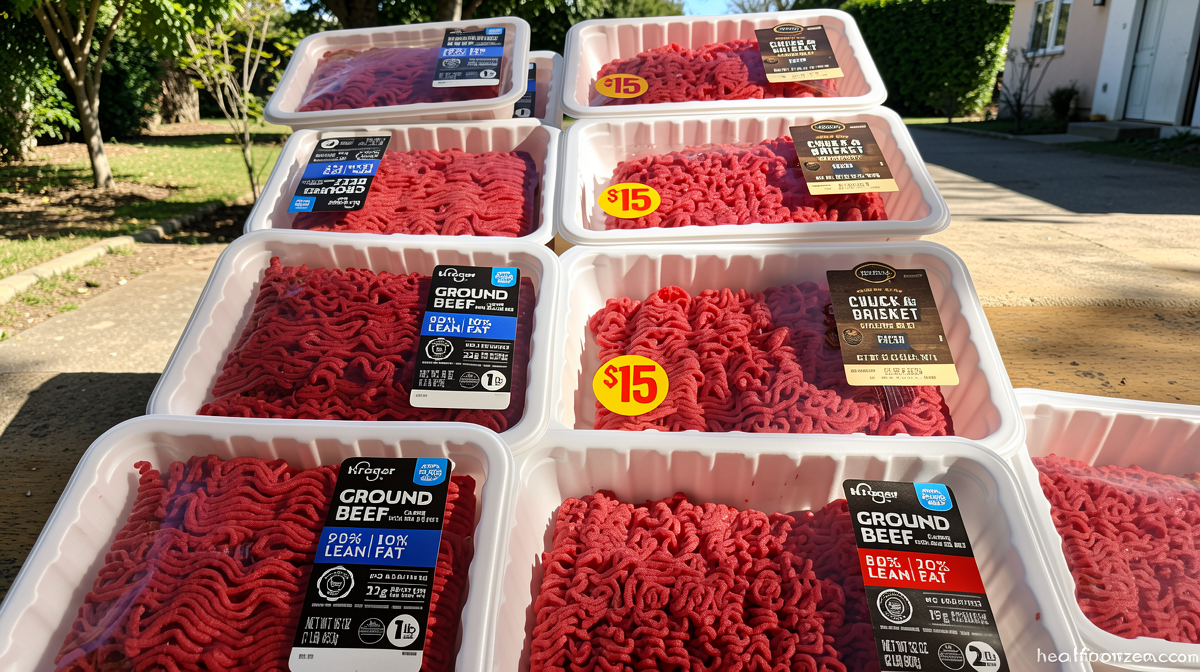
For context, the Bureau of Labor Statistics places the average national price of a pound of ground beef at roughly $6.89. A 25-percent discount on that figure would trim about $1.72 per pound — meaningful in isolation, but the question is whether that discount will reach the consumer or get absorbed somewhere in the distribution chain.
Why the Volume Math Doesn’t Add Up
The most immediate structural limitation is scale. Three hundred thousand metric tons of beef represents approximately two percent of total domestic beef consumption, per USDA data. In a market consuming tens of millions of tons annually, a two-percent injection is a rounding error at the aggregate level.
Compounding that limitation, the tariff exemption applies specifically to beef trimmings — the lean, connective-tissue portions of the carcass that processors blend with other cuts to produce ground beef. Exempting only trimmings, rather than whole cuts or premium steaks, narrows the scope of any consumer-facing price effect considerably.
“It’ll be some additional pounds on the market that we didn’t have before, and in that context, that could be good for consumers,” said Glynn Tonsor, an agricultural economist at Kansas State University who studies meat pricing. “But I think it’s easily overstated how much it might help.”
Tonsor also noted a substitution risk: if processors simply swap out domestic trimmings for the duty-free imports rather than adding net new supply to the market, the overall price effect shrinks further. The imports become a cost-replacement for processors, not a price-reduction for shoppers.
The Real Story Behind Rising Beef Prices
Consumers are currently paying 27 percent more for ground beef — and for all categories of beef and veal — than they did three years ago. Over the trailing twelve months alone, prices have climbed roughly nine percent, according to July Consumer Price Index readings. The White House attributes the spike to a supply shortfall. Spokesperson Kush Desai framed the administration’s response in a written statement:
“The President’s action is helping meet short-term beef needs while the Administration works with American ranchers to expand domestic production and grow the American cattle herd, which is currently at a multi-decade low.”
The cattle-herd point is factually accurate; headcounts have been trending downward for years. But Tonsor argues that supply constraints alone do not explain the full magnitude of the price increase. Ranchers, he notes, have been selecting for larger animals that yield more beef per head, partially offsetting the smaller herd. On the supply side, a New World screwworm outbreak in Mexico temporarily halted live-cattle imports from that country until recently, adding friction to an already tight market.
Demand Is the Dominant Force
In Tonsor’s assessment, the sharper driver is consumer appetite. His Meat Demand Monitor, a monthly survey of approximately 3,000 Americans, tracks willingness to pay across beef categories. Last month, respondents indicated they would pay $10.09 per pound for ground beef and $24.62 for a hamburger at a restaurant. Three years earlier, those figures stood at $8.67 and $20.19, respectively. Survey responses attribute the shift largely to perceived quality improvements in available beef products.
If American diners and cooks are genuinely willing to pay premium prices for beef, then flooding the market with a two-percent supply bump at a modest discount may simply be absorbed by that latent demand rather than driving prices down. The administration’s discount mechanism could narrow margins for processors without ever touching the consumer’s checkout total.
What to Watch Over the Next 90 Days
The coming quarter will reveal whether the proclamation produces any measurable price movement. Key indicators to monitor include weekly USDA market reports on trimmings prices, retail price tracking from the Bureau of Labor Statistics, and whether processors report incremental volume gains versus substitution of domestic purchases. If shelf prices remain flat while wholesale trimmings prices dip, the discount is being captured upstream. If both move together, the program is functioning as designed — though even then, a two-percent supply nudge against a demand-driven inflation trend is unlikely to produce the dramatic price relief the political framing implies.
For the consumer standing in the meat aisle, the practical takeaway is sober: the tariff window is real, the discount mandate is written into law, but the structural forces pushing beef prices upward — tightening supply, surging demand, and quality-driven willingness to pay — dwarf the modest volume this import program introduces. Cheaper burgers remain, for now, a political aspiration rather than an economic certainty.
Related Reading
Frequently Asked Questions
What is Trump is letting in 300 000 tons?
Trump is letting in 300 000 tons is the main topic of this guide. The article explains the context, practical details, and next steps readers should understand.
Why does Trump is letting in 300 000 tons matter?
Trump is letting in 300 000 tons matters because readers are looking for a useful answer, not just a short summary. Good content should match search intent and help them decide what to do next.