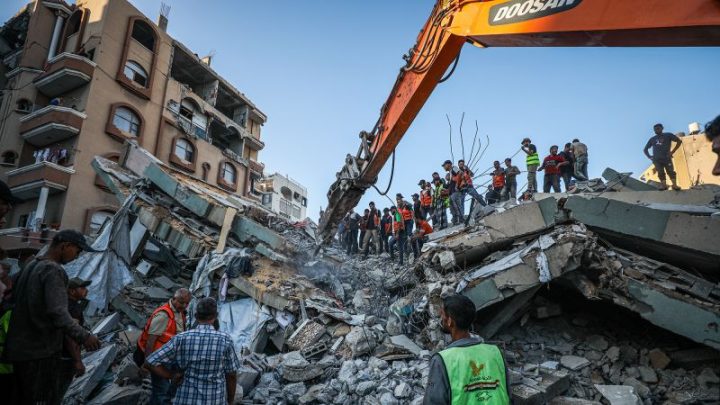
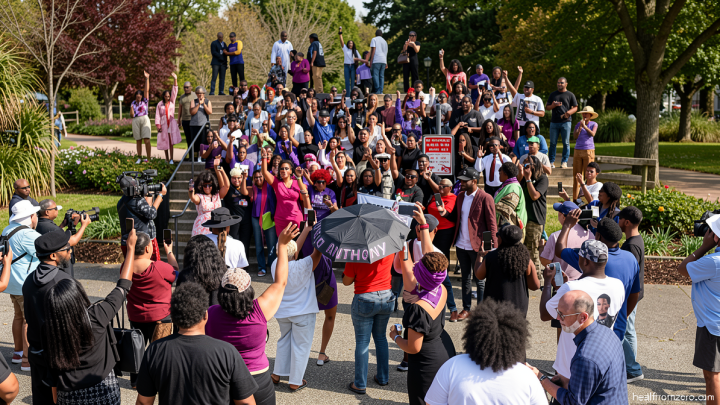
Six months into the Iran war, Iranian Americans remain divided over what comes next

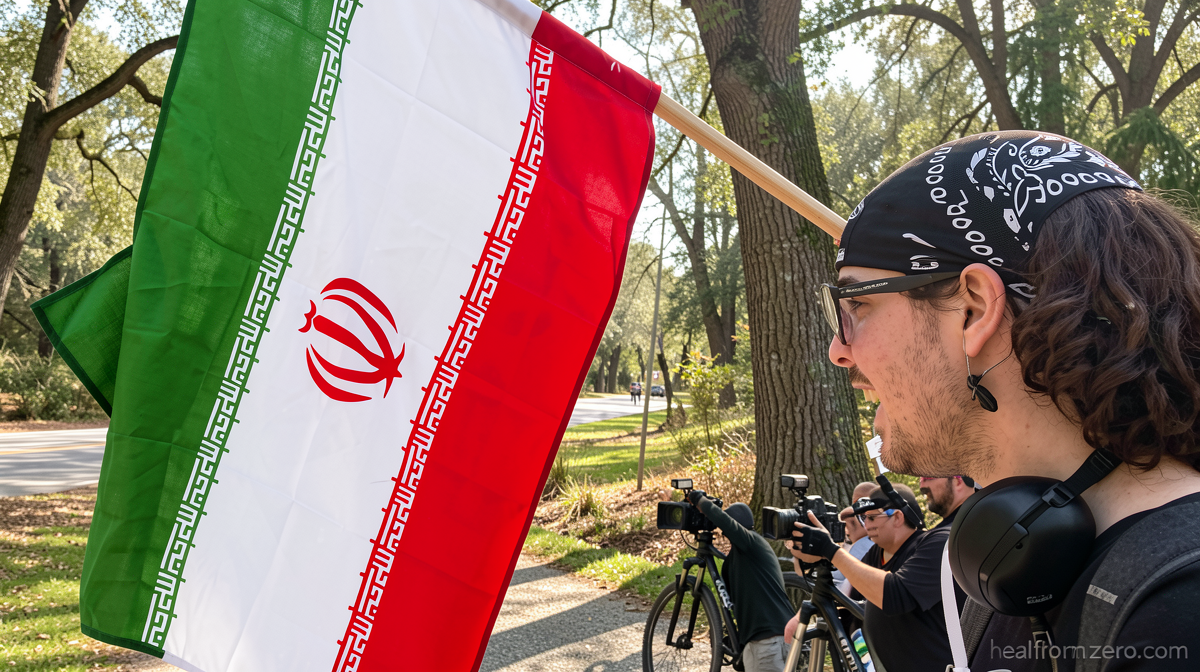
Daftar Isi
Half a Year After the First Strikes: How the Iran War Split a Diaspora
Healfromzero.com – The shockwaves of the conflict that erupted between the United States, Israel, and Iran have traveled far beyond the borders of the Middle East. Six months after the opening salvos were fired, the reverberations have reached the sprawling Iranian-American community across the United States — a population shaped by decades of exile, revolution, and repression. Within that community, consensus has proven elusive. Opinions on how the war began, what it has achieved, and what it still demands remain sharply fractured.
A Diaspora Forged in Waves
The Iranian-American population is not a monolith. It carries the imprint of multiple exoduses: families who departed after the 1979 Islamic Revolution, professionals and students who left during later crackdowns, and more recent arrivals fleeing protest movements and state violence. Each wave brought its own vocabulary of grievance, its own expectations for what Iran’s future should resemble. Those layered histories have produced a diaspora in which two neighbors can watch the same news bulletin and draw opposite conclusions about whether military intervention was necessary, justified, or even conceivable.
On one side of the divide, particularly among long-standing anti-regime activists, the initial strikes were greeted as a long-awaited opening. On the other, voices warned that civilian casualties, regional destabilization, and the human toll of escalation could eclipse any political dividend. The split is not merely ideological; it is experiential, rooted in what different generations believe freedom in Iran should look like and how it might be achieved.
From Hope to Disappointment: Arezo Rashidian’s Six Months
At the war’s outset, Arezo Rashidian — a veteran monarchist organizer aligned with Reza Pahlavi, the exiled son of Iran’s final shah — voiced strong support for the military campaign. Based in the Los Angeles area, where she has helped coordinate protest activity, Rashidian told reporters she hoped the United States and Israel would carry out “targeted attacks on bases to bring down that regime.”
That optimism, she now says, has eroded considerably.
“We really wanted regime change … it’s been six months now, and it didn’t get to that point.”
Rashidian describes a prevailing mood of frustration and uncertainty among activists who had pinned hopes on the intervention. Family members and contacts still inside Iran have relayed what they characterize as a renewed atmosphere of dread in the months following the peak of fighting. People, she reports, have grown cautious about discussing politics or their participation in the January protests, wary of surveillance and reprisal.
“Now that the war is a little bit quieter, now the secret police are starting to mobilize.”
Her observations align with recent documentation of a renewed enforcement push on Iran’s mandatory hijab statutes — videos circulating of women publicly reprimanded over their attire, and commercial establishments subjected to scrutiny for alleged dress-code infractions. Rashidian also recounts accounts of arrests, executions, and broader security operations, though independent verification of those claims remains limited.
Even amid her disappointment, she maintains support for intensified sanctions on Tehran, hoping they will “tighten the rope” around the regime’s finances. This week, Washington signaled further measures. Treasury Secretary Scott Bessent described plans to target a complex network Iran has built to route its entities around existing sanctions. Yet the long-awaited announcement of what had been billed as Trump’s “economic D-Day” package left many observers underwhelmed: rather than imposing sweeping new restrictions, the administration opted largely to expand and sharpen enforcement of measures already in place.
Tehran’s Counter-Threats
Iran, for its part, has signaled readiness to inflict reciprocal economic pain. Officials have warned of expanded strikes on regional oil producers and European states, and have even floated the prospect of weaponizing the country’s nuclear program — a step that would mark a dramatic escalation in a conflict already stretching across multiple theaters.
A Changed Relationship: Aria Rostami’s Reckoning
For Aria Rostami, a 38-year-old museum professional in New York who grew up immersed in Southern California’s Iranian community, the past six months have altered something more personal than political opinion. He has found himself at odds with the enthusiasm with which some compatriots embraced the military intervention.
“I was really disheartened by the community when they were on the streets cheering the war.”
The conflict, Rostami says, laid bare fractures within the diaspora that had been simmering beneath the surface. Assumptions he once held without question about shared identity and shared purpose have been unsettled.
“There was a time where if I met somebody who was Iranian, or I’d hear people speaking Persian on the street, I had a specific feeling about it. Now it’s changed to suspicion or an uncertainty. I don’t know where their politics are. I don’t know what they believe.”
Before the war, proponents of intervention frequently invoked what might be called Iranian exceptionalism — the notion that Iran’s situation warranted a distinct American role. Rostami says he never accepted that premise.
“Why would you want the United States to be involved in a war or have an”
His unfinished thought captures a broader question now circulating through diaspora communities: whether external military force, however well-intentioned, can substitute for the internal political work of building alternatives to the Islamic Republic. Six months in, the answer remains contested, and the community’s internal debate shows no sign of resolving.
What Comes Next
The war’s trajectory over the coming months will likely determine whether the diaspora’s divisions harden into permanent fault lines or soften into a shared, if uneasy, consensus. Sanctions enforcement, the pace of any further military action, and the domestic political climate inside Iran will all feed back into how Iranian Americans process their own relationship to a homeland they may never return to. For now, the split endures — a reminder that exile does not produce uniformity, and that a community scattered across continents can watch the same conflict and see entirely different futures.
Related Reading
Frequently Asked Questions
What is Six months into the Iran war Iranian?
Six months into the Iran war Iranian is the main topic of this guide. The article explains the context, practical details, and next steps readers should understand.
Why does Six months into the Iran war Iranian matter?
Six months into the Iran war Iranian matters because readers are looking for a useful answer, not just a short summary. Good content should match search intent and help them decide what to do next.