Iceland rejects EU membership plan in referendum, public broadcaster reports


Iceland Rejects EU Membership Plan in Referendum
Healfromzero.com – Iceland rejects EU membership plan after voters cast decisive ballots on Sunday, according to national broadcaster RUV. The result ends a government push to reopen accession talks and leaves the Nordic island outside the bloc’s institutional framework. For a population of roughly 380,000 whose economy leans heavily on marine resources and aluminium smelting, the decision was less about Brussels and more about controlling the fishing grounds that have sustained coastal livelihoods for generations.
A Referendum Framed as a Final Crossroads
Prime Minister Kristrún Frostadóttir had spent months presenting the ballot as a binary choice: engage with the bloc now or forfeit the window entirely. In August she warned that a negative outcome would effectively close the door on further EU speculation for the foreseeable future. That framing gave both camps a sense of finality and sharpened the stakes for an electorate already divided over decades of intermittent debate.
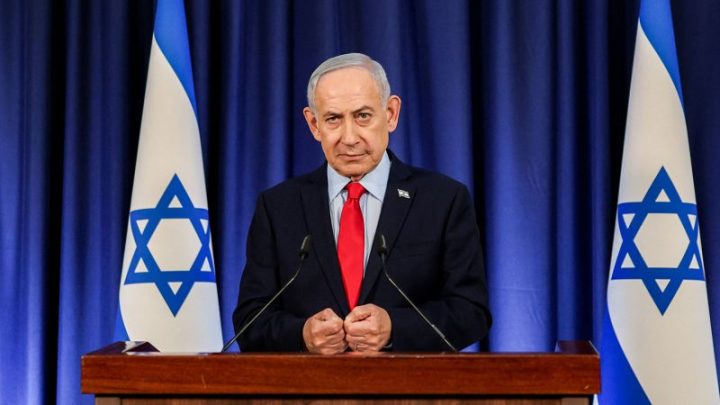
“This is a great day. We’ve been waiting for this for years to be able to have a vote,” Frostadóttir told reporters after casting her ballot in Reykjavík on Saturday.
She added that her cabinet would press ahead with its domestic agenda regardless of how the papers were counted, signalling an intention to govern through the transition without fracturing the coalition that had backed the membership proposal.
Fisheries, Sovereignty, and the Security Calculus
Pro-membership advocates argued that accession would lower borrowing costs for Icelandic households and businesses, whose interest rates have remained elevated relative to continental benchmarks. They also pointed to a broader security logic: with Russia’s war in Ukraine still consuming European attention and US President Donald Trump openly musing about annexing Greenland, joining the bloc’s collective defence architecture was pitched as a pragmatic hedge against a shifting northern landscape.
Opponents countered that the protections Iceland sought from Brussels would come at the price of ceding control over its exclusive economic zone, one of the richest fishing territories per capita in the world. Common fisheries policy, regulatory harmonisation, and free movement of labour, they warned, would erode the island’s ability to manage its waters and labour market on its own terms. For many coastal communities, that trade-off was simply unacceptable, and the vote reflected a deep-seated conviction that Iceland’s sovereignty was already stretched thin by existing external commitments.
A Decade of Intermittent Debate
Iceland’s flirtation with the bloc is not new. The island first submitted its application in 2009, a decision driven largely by the collapse of its banking system during the global financial crisis. Negotiations opened shortly thereafter but were abruptly halted in 2013 when a new, Eurosceptic government took office and pulled the country out of the process. Since then the question has resurfaced periodically — after Brexit reshaped the UK-Iceland trade relationship, after successive Arctic incidents heightened northern-security anxieties, and after the current administration concluded the geopolitical environment had shifted enough to warrant a fresh look. Each revival deepened public divisions, and this referendum was, in effect, the culmination of more than a decade of argument.
Implications for Brussels and the Wider Enlargement Debate
For the European Commission and member-state capitals that had identified Iceland as a comparatively low-friction accession case, the vote is a setback. Officials had reasoned that admitting a small, already-aligned Nordic state would demonstrate to sceptical publics in other candidate countries that enlargement need not mean uncontrolled regulatory dilution. That narrative now loses its most convenient illustration. With Arctic shipping lanes opening as ice retreats, Russian naval activity intensifying in the Barents and Norwegian seas, and Washington’s trade posture toward European allies growing more unpredictable, the question of how small northern states anchor themselves institutionally will not disappear with one ballot.
Frequently Asked Questions
When did Iceland first apply to join the EU? Iceland submitted its application in 2009,