Kennedy Center will briefly delay plan to add Trump’s name to building

Daftar Isi
Kennedy Center Pushes Back Timeline for Trump Nameplate to October
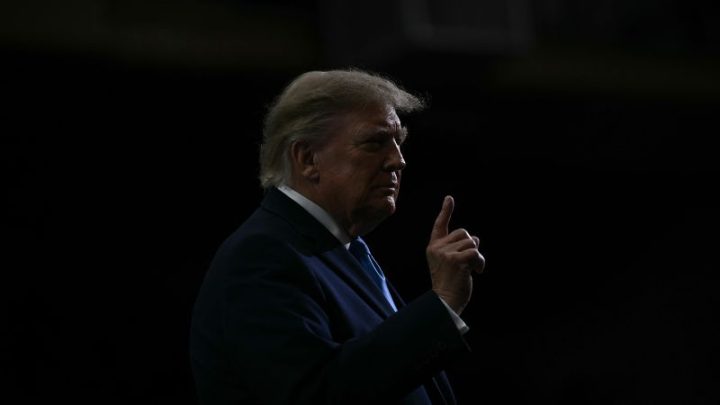
Healfromzero.com – In a terse one-sentence filing delivered to a federal court on Thursday, the Kennedy Center board confirmed it will hold off on attaching President Donald Trump’s name to the building or its surrounding grounds until no earlier than October 8. That date represents a full month later than the September 8 deadline the institution had previously signaled to the court, effectively buying time amid a legal fight that has consumed much of the summer.
The filing landed just hours after a two-hour hearing in which both the Kennedy Center’s representatives and attorneys from the Department of Justice found themselves answering pointed questions from District Judge Christopher Cooper, a Washington, DC, federal judge appointed by former President Barack Obama. Cooper pressed the government’s lawyers on why the center felt compelled to move so quickly to restore the president’s name to the facade after its earlier attempt was struck down this year.
A Judge’s Skepticism and the Threat of an Injunction
Cooper did not mince words. He labeled the September 8 target date “arbitrary” and warned that unless the board altered its timeline promptly, he might issue a temporary restraining order freezing any further renaming activity while the litigation plays out. The judge’s intervention signaled that the court views the center’s urgency with suspicion rather than sympathy.
The board’s stated rationale, as relayed through the Justice Department, is that inscribing Trump’s name would recognize his “ongoing” financial contributions to the center’s upkeep and renovation efforts. DOJ framed this as a narrow, maintenance-related acknowledgment distinct from the broader renaming scheme the court had already invalidated. But that distinction did not satisfy the bench.
The Original Ruling and What Came After
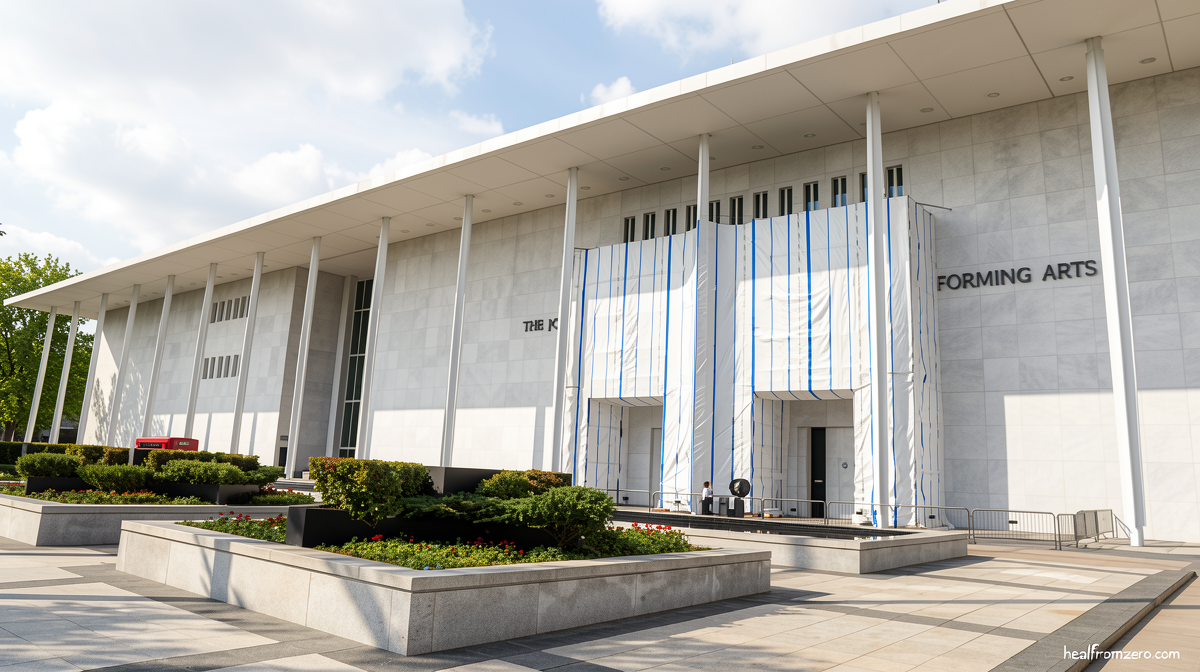
Earlier this year, Cooper ruled that the center’s decision to rebrand the venue as “The Donald J. Trump and The John F. Kennedy Memorial Center for the Performing Arts” ran afoul of federal statutes designating the building exclusively as a memorial to the late president. Trump’s name was removed from the exterior in June, and a large tarp has covered the facade ever since, leaving the landmark’s face obscured for months.
Undeterred, the board voted on August 13 to install a smaller inscription beneath the existing Kennedy Center sign reading “Restored and Renovated by President Donald J. Trump.” The board has also floated the possibility of adding a further Trump reference to the front of the building once a dedicated endowment reaches $100 million. Separately, the center plans to rename the physical plaza on which the structure sits in honor of the president, arguing that designating the surrounding grounds does not conflict with congressional statutes that name the building itself for Kennedy alone.
Lutnick’s Courthouse Remarks and the Demolition Question
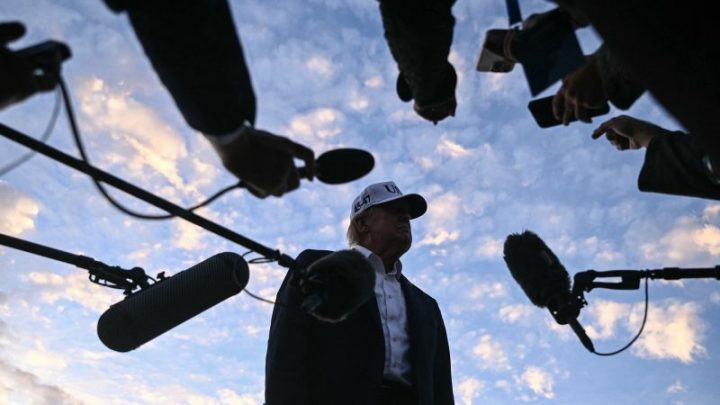
Commerce Secretary Howard Lutnick, whose wife serves on the Kennedy Center board, addressed reporters outside the courthouse before the hearing concluded. He characterized the center’s physical future as uncertain should Trump be unable to complete the renovation, calling demolition an “eventuality” while simultaneously insisting no such action was imminent.
“Bad things happen, but they’re not going to happen on Thursday,” Lutnick said. “No one’s saying it’s happening on Thursday. It’s just an eventuality, but that’s not going to happen.”
He then offered a more expansive justification for the board’s actions, describing the renaming as a mechanism to lock in private funding.
“I mean, this is the board classically capturing the greatest fundraiser and greatest builder ever by putting his name on it and saying, ‘OK, OK, you wanted your name. Here it is. Now go do it,'” Lutnick added. “And that’s the board’s decision.”
Lutnick remained seated in the courtroom for the full duration of the proceedings, a presence that underscored the administration’s direct involvement in what is nominally a private institution’s governance matter.
The DOJ’s Donation Argument Meets a Sharp Question
Brantley Mayers, the Justice Department attorney presenting the government’s case, argued that the new, narrower renaming was necessary to ensure continued private donations flowing into the center’s coffers. Cooper interrupted almost immediately.
“What does that have to do with what Congress intended in the statutes?”
The question cut to the heart of the dispute: whether a congressional memorial designation can be diluted by attaching a living president’s name to ancillary structures or plaques, even if the main building retains the Kennedy title.
The Plaza Renaming and a Slippery-Slope Warning
Cooper pressed the point further, suggesting that under the DOJ’s own legal theory, the board would be free to name the parking garage after former President Barack Obama or the broader campus after former President George W. Bush. Every parcel of the complex, in other words, could be rebranded at the board’s discretion.
“The whole thing would be for sale, basically — and that would be consistent with Congress’ overall scheme?” Cooper asked.
Mayers offered no rebuttal to that characterization.
Beatty’s Challenge and the Board’s Internal Conflict
The lawsuit was brought by Democratic Representative Joyce Beatty, who holds an officio seat on the Kennedy Center board itself. Her attorney, Nathaniel Zelinsky, told the court that the latest renaming maneuver “is part and parcel of everything” Cooper had already considered and rejected earlier in the year. Beatty contends that Congress never authorized the board to attach any individual’s name to the memorial beyond Kennedy, and that the new inscription scheme violates the judge’s prior order regardless of how DOJ attempts to reframe it.
The October 8 deadline, if it holds, will give the board roughly another month to negotiate, revise, or abandon its current plan while the court weighs whether a preliminary injunction is warranted. For now, the tarp remains in place, the plaza retains its original designation, and the legal question of who may bear a name on one of Washington’s most recognizable cultural landmarks stays unresolved.
Related Reading
Frequently Asked Questions
What is Kennedy Center will briefly delay plan?
Kennedy Center will briefly delay plan is the main topic of this guide. The article explains the context, practical details, and next steps readers should understand.
Why does Kennedy Center will briefly delay plan matter?
Kennedy Center will briefly delay plan matters because readers are looking for a useful answer, not just a short summary. Good content should match search intent and help them decide what to do next.