Military judge sets trial date for alleged 9/11 mastermind Khalid Sheikh Mohammed

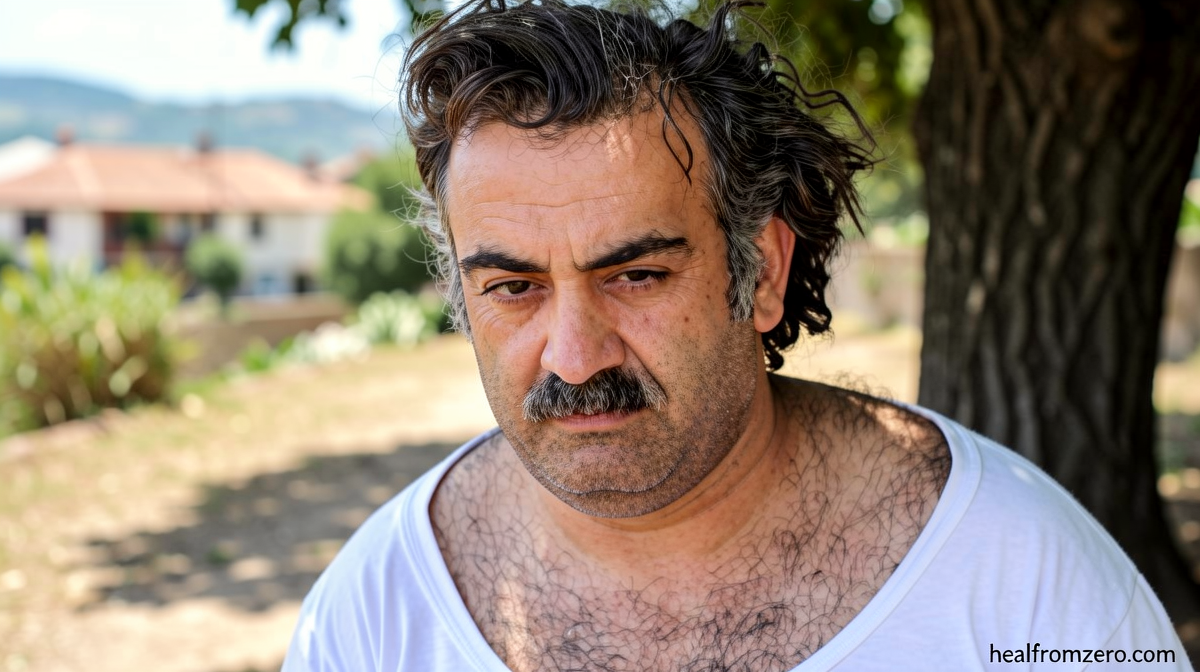
Military Judge Sets 9/11 Trial Date
Healfromzero.com – A military judge sets trial date for the most consequential terrorism prosecution in American history. Air Force Lt. Col. Michael A. Schrama, presiding at the U.S. military base in Guantanamo Bay, Cuba, ruled Wednesday that proceedings against Khalid Sheikh Mohammed — the man widely identified as the principal architect of the September 11, 2001, attacks — will begin on June 5, 2028. That schedule pushes the trial roughly eighteen months beyond the January 2027 opening prosecutors had requested, a gap Schrama attributed to unresolved pretrial disputes over which evidence may reach a panel of officer-judges.
Procedural Gridlock and a Conditional Calendar
In his written decision, Schrama explained that the additional time is needed to work through contested questions about the admissibility and scope of trial evidence. The ruling underscores how, even after more than twenty years of detention and legal maneuvering, the machinery of military justice has yet to produce a single verdict in this case. The judge also noted that the 2028 schedule remains conditional: the case must clear a series of interim milestones and deadlines, and failure to do so could trigger yet another postponement. A prior trial window, originally set for 2021, was scrapped before it ever opened.
“The schedule is not a guarantee. It is a target, contingent on the court clearing outstanding evidentiary and procedural questions before testimony begins.” — summary of Schrama’s ruling
The Charges, the Co-Defendants, and a Collapsed Plea Deal
Mohammed stands accused of conceiving, organizing, and directing the operation that sent four commercial airliners into the World Trade Center towers in New York, the Pentagon in Arlington, Virginia, and a field in rural Pennsylvania after passengers fought back aboard the fourth aircraft. He will not face the court alone. Three alleged co-conspirators — Walid bin Attash, Ali Abdul Aziz Ali, and Mustafa al-Hawsawi — will be tried alongside him. Together, the four men represent some of the final cohort of detainees still held at Guantanamo Bay, a facility whose closure has been a stated objective of multiple presidential administrations since its opening in January 2002.
For two years, prosecutors and defense teams negotiated a comprehensive agreement that would have allowed Mohammed to enter a guilty plea, eliminating the possibility of a death sentence. Under those terms, Mohammed and two co-defendants would have received life imprisonment without parole, and all four men would have sat for recorded interviews answering outstanding questions posed by families of the nearly 3,000 victims killed that morning. The arrangement never took effect: the administration of former President Joe Biden formally repudiated the agreement, and a federal appeals court subsequently struck it down. The collapse returned the case to a full trial track, adding years of litigation over evidentiary standards, witness availability, and procedural rules unique to military commissions.
Why the Delay Matters
Each additional month of pretrial preparation narrows the window in which key witnesses — many aging, detained elsewhere, or living under protective arrangements — remain available to testify. It also extends the period during which Mohammed and his co-defendants remain in custody without a verdict, a condition that has drawn sustained criticism from human-rights organizations and from families of victims who have waited more than two decades for answers. Military commissions, the tribunal system used for post-2001 conflict cases, operate under rules that differ in significant respects from civilian federal courts. Questions about intelligence-gathering disclosures, classified-material handling in open sessions, and compelled witness appearance have generated multiple rounds of briefing. Schrama’s ruling signals that at least some of those disputes remain unresolved heading into the next eighteen months.
Between now and June 2028, the court will continue to adjudicate motions on evidence, witness lists, and procedural safeguards. Prosecutors will prepare their case file; defense teams will build their challenges. If all milestones are met, a panel of military judges will hear testimony from survivors, investigators, intelligence officials, and potentially from Mohammed and his co-defendants themselves. If milestones are missed, the schedule will shift again — and the question of accountability for the deadliest single-day attack on U.S. soil will remain unanswered.
Frequently Asked Questions
When does the trial begin? The military judge sets trial date for June 5, 2028, at Guantanamo Bay. The date is conditional on the court clearing outstanding pretrial motions before that window opens.
Who is presiding over the case? Air Force Lt. Col. Michael A. Schrama, a judge advocate assigned to the military commission at Guantanamo Bay, issued the scheduling ruling.
Why was the trial delayed from the prosecutors’ preferred date? Prosecutors sought a January 2027 start. Schrama cited unresolved disputes over evidentiary admissibility and scope as the reason for pushing proceedings to mid-2028.
What happened to the earlier plea agreement? A negotiated deal that would have spared Mohammed a possible death sentence was repudiated by the Biden administration and subsequently invalidated by a federal appeals court, returning the case to full trial.
How many defendants are involved? Four men: Khalid Sheikh Mohammed and three alleged co-conspirators — Walid bin Attash, Ali Abdul Aziz Ali, and Mustafa al-Hawsawi.