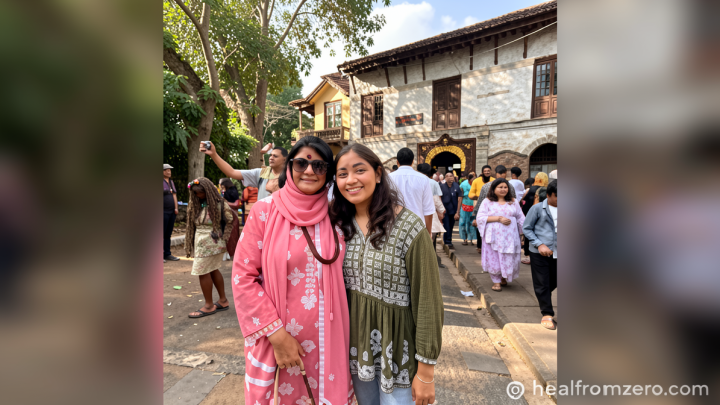
Around the world, people desperately search for news of missing loved ones after Nepal-China floods

Daftar Isi
Global Families in Limbo as Nepal-China Flood Disaster Leaves Hundreds Missing
Healfromzero.com – Wednesday’s catastrophic flood event along the Nepal–China border has thrown thousands of households on multiple continents into a state of agonizing uncertainty. As swollen waters tore through mountain gorges and plunged into a densely populated Nepali valley, the immediate toll fell on already fragile communities of farmers, ethnic minorities, and displaced families. Yet the ripple effects have crossed every ocean: hundreds of foreign nationals remain unaccounted for, and relatives in the United States, India, Canada, New Zealand, and Australia are refreshing phones and social feeds, waiting for a single confirming message that may never come.
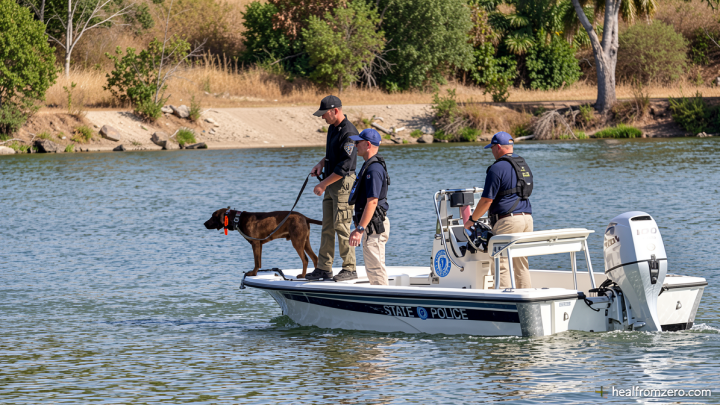
Among the missing are a physician based in Delaware, a New Zealand mother of two children, and three teenagers from the United States and Australia. The absence of confirmed casualty lists from authorities has only deepened the anxiety. Rescue operations continued through Thursday, but officials have not yet published the names of those confirmed dead or still unlocated.
The Geography of the Disaster
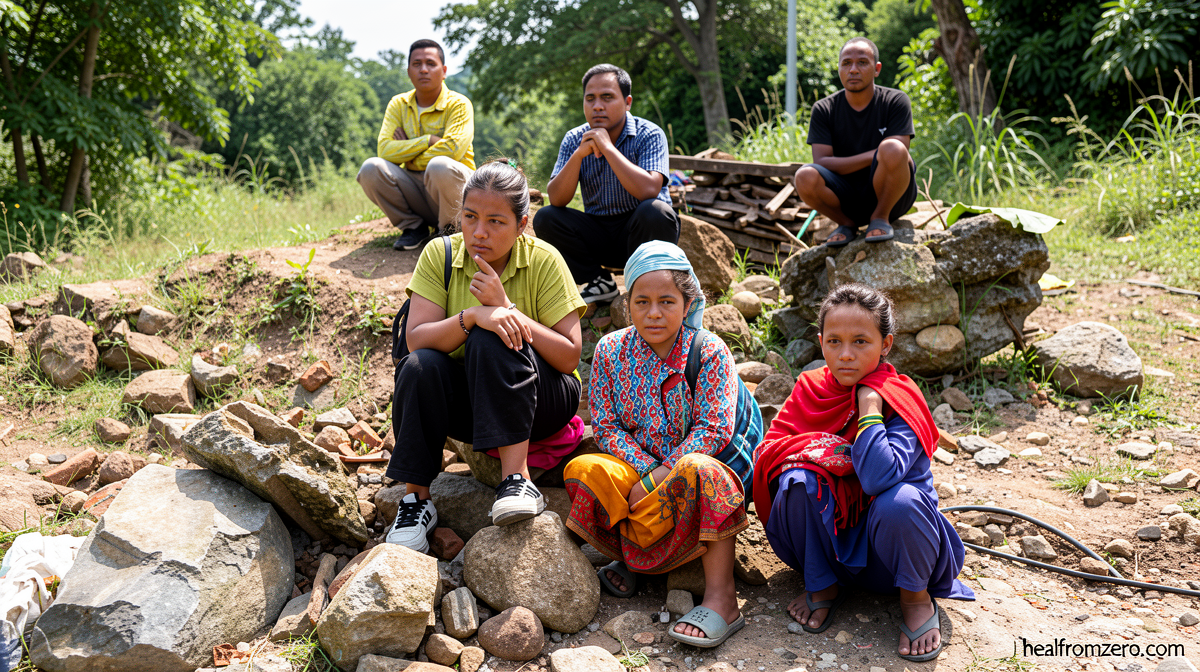
The initial trigger was a powerful landslide on the China–Nepal border. The resulting mudslide then struck Gyirong Port, one of the principal land border crossings between the two countries, sweeping hundreds of people into missing status on the Chinese side as well. On the Nepali side, the floodwaters cascaded down deep gorges before surging into the Trishuli river valley, devastating communities that line its banks across the districts of Rasuwa, Nuwakot, and Dhading.
Those three districts are home to more than half a million residents by recent census counts. They shelter a mosaic of ethnic groups — Tamang, Gurung, Newar, and others — many of whom have inhabited the valley for centuries. Agriculture remains the backbone of local livelihoods, though the area’s growing reputation for trekking, rafting, and religious tourism has drawn a secondary economy of guides, lodge operators, and transport services.
The valley also hosts several foreign-backed hydropower projects, adding industrial infrastructure to an already complex landscape. Each summer and early autumn, hundreds of Hindu, Buddhist, Jain, and Bonpo pilgrims pass through the region en route to Tibet’s sacred Mount Kailash, making the corridor a seasonal artery of interfaith spiritual travel.
Compounding Vulnerability
These communities did not arrive at Wednesday’s disaster from a position of strength. Districts such as Rasuwa carry historically elevated poverty rates and sit squarely on the front lines of the climate crisis, exposed to recurring forest fires, glacial lake outbursts, and landslides. Many residents had spent nearly a decade rebuilding after Nepal’s devastating 2015 earthquake, which killed more than 8,000 people. Families displaced by that earlier catastrophe resettled on the low-lying banks of the Trishuli river — precisely the ground that Wednesday’s floodwaters consumed.
Families Waiting for Answers
In Kathmandu, Asmita Dahal has spent hours since Wednesday trying to reach her younger brother, 21-year-old Suman Dahal, who works for a tour group escorting pilgrims toward Mount Kailash. He had been preparing to return to the capital from Timure, a small settlement on the Trishuli riverbank.
“We are worried his bus might have been swept away in the flooding, we just don’t know,” Asmita said. “We are hoping for a miracle.”
The last words her brother spoke to her on Wednesday were: “See you in the morning.”
The Diaspora Scrambles to Connect
Nepal’s overseas diaspora numbers more than 2.1 million people, and the disaster has sent shockwaves through communities from New York to Ottawa. Pema D. Gurung, who runs a Nepali restaurant in New York, said he has been unable to confirm whether his many friends in Rasuwa survived. The flood severed telecommunications in the affected zone, leaving even Kathmandu-based contacts unable to reach anyone downstream.
“In my mind and in my heart, I’m hoping my friends are alive,” Gurung said.
In Ottawa, Rojina Dhungana woke on Wednesday to reports that her hometown on the Trishuli riverbank had been obliterated. Her parents were confirmed safe, but numerous former neighbors and schoolmates remain missing. On social media, the outpouring of pleas was overwhelming.
“Everybody I knew – my friends, my relatives, my community – everybody was looking, like ‘Help, help, help, this person is missing!'” she said.
Scale of the Foreign-National Toll
The Nepal Tourism Board has confirmed that at least 517 foreign nationals are among those missing in the country. The breakdown includes at least 178 Indian nationals — many of whom were traveling on pilgrimage to Mount Kailash — along with 65 Americans, 53 Ukrainians, 51 Malaysians, 35 Australians, and 33 British citizens. Additional nationalities are expected as consular offices continue to compile lists.
For now, the valley is silent except for the sound of rescue crews working through debris. Families on every continent continue to wait, refreshing feeds, calling consulates, and holding onto the thin thread of hope that their loved ones are still out there, somewhere beyond the reach of the flood.
Related Reading
Frequently Asked Questions
What is Around the world people desperately search?
Around the world people desperately search is the main topic of this guide. The article explains the context, practical details, and next steps readers should understand.
Why does Around the world people desperately search matter?
Around the world people desperately search matters because readers are looking for a useful answer, not just a short summary. Good content should match search intent and help them decide what to do next.