After lots of therapy, Raygun is ready to talk

Daftar Isi
Two Years After Paris, Rachael Gunn Steps Back Into the Spotlight on Her Own Terms
Healfromzero.com – Breakdancing made its Olympic debut at the 2024 Paris Games, and almost overnight one Australian competitor became the most talked-about athlete on the planet — not for a medal, but for a performance that the internet decided to turn into a global joke. Rachael Gunn, known to fans and critics alike as Raygun, lost every round of her Paris bout by a score of 18-0, and within hours her name was everywhere: on entertainment news sites, late-night comedy stages, and even in the middle of a pop superstar’s concert set. Now, two years later, Gunn is reclaiming the narrative through a Netflix documentary titled Untold Raygun: Breaking Badly, which premieres September 1.
The film traces her journey into breakdancing, the turbulent road that led her to the Olympic stage, and the psychological aftermath of becoming an overnight internet phenomenon. Gunn, speaking from her Sydney home ahead of the release, framed her current mindset around acceptance rather than resentment.
“Paris is now just a part of my story,” Gunn said. “For me, it’s more about radical acceptance of everything that’s happened and just one foot in front of the other, just trying to move ahead.”
From Viral Infamy to Mainstream Satire
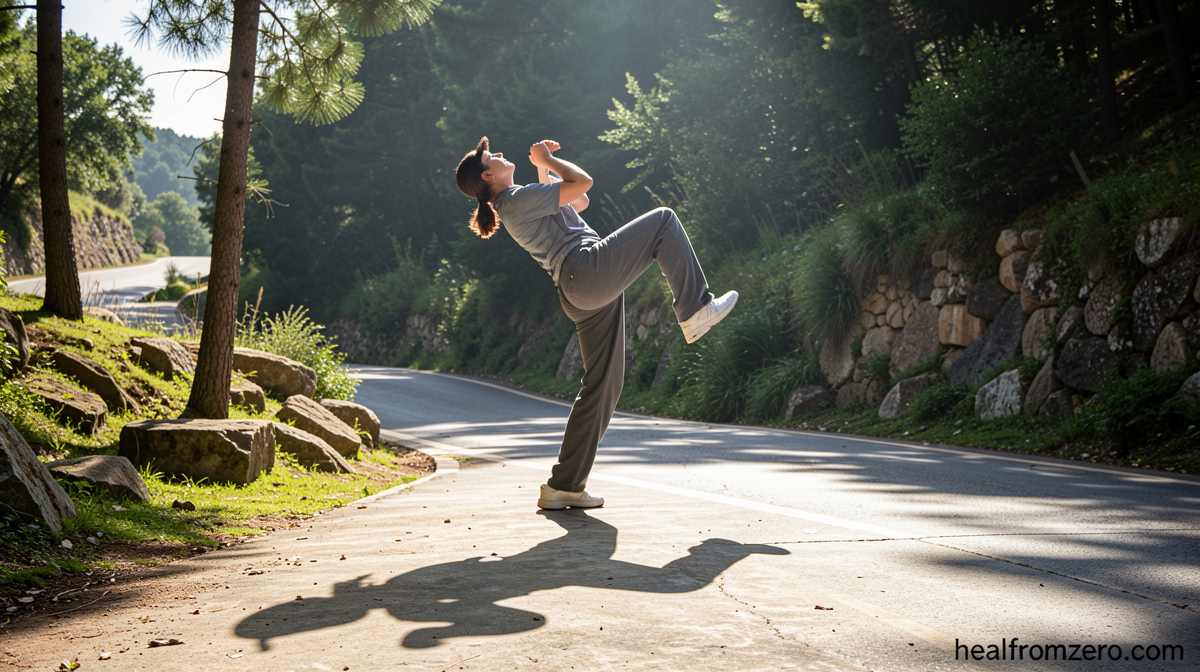
The scale of the backlash after her Paris performance was, by any measure, extraordinary. Gunn competed against three other breakdancers and attempted to weave Australian cultural references into her routine, including a sprinkler dance — a move invented in Australia — and a kangaroo hop. The judges scored her last in every round. What followed was a cascade of mockery that escalated far beyond sports commentary. She was dissected on TMZ and on Joe Rogan’s podcast. Rachel Dratch built a sketch around her on The Tonight Show. Adele paused a live concert mid-set to reference the incident to a stadium audience.
Equally damaging, Gunn said, were unfounded conspiracy theories alleging that she and her husband and coach, Samuel Free, had manipulated the qualification process to secure her Olympic berth. The cumulative weight of that attention, she described, felt like
“falling into a dark pit.”
Therapy as the Bridge Back
Gunn has been candid about spending significant time in therapy in the months and years following Paris. She credits that work with giving her the emotional distance needed to revisit the footage and, ultimately, to tell her side of the story on screen. Asked whether she had watched the finished documentary, she confirmed she had — with a small caveat.
“I have watched the documentary, yes. I did have a nice glass, or few, of champagne as I watched it, which certainly helped! I think the distance from it made it feel less raw. It felt less immediate. So, it was different this time, and I’ve worked on a lot in therapy!”
She added that she had previously seen clips of her actual performance and, to her surprise, found them less catastrophic than her memory suggested.
“Oh, it’s not as bad as I thought!”
No Regrets, Even in Slow Motion
The documentary does not shy away from the anxiety Gunn experienced in the weeks before competing. Viewers see her panicking in the Olympic Village, fully aware that her physical conditioning did not match that of her rivals, and hoping only to avoid embarrassing herself. To outside observers, the sequence plays out like what Gunn herself calls a
“slow-motion car crash.”
Yet she insists the decision to compete was the right one. She wanted to show up as herself, to be creative, and to resist the fear of being different in front of a global audience.
“It was important to me to go out there and be myself, to be creative and to not be afraid to be different,” she said. “No regrets.”
Why Now, and Why This Story
Gunn explained that the two-year gap between Paris and the documentary’s release was essential. The initial storm of misinformation, speculation, and online noise needed time to subside before she felt capable of speaking clearly. She also noted that not every Olympian views their Games appearance as the pinnacle of a career; many athletes return home disappointed with their results. Still, she emphasized that the opportunity itself was something she had never imagined possible.
In the documentary, Gunn also addresses the gendered dimension of the scrutiny she received, arguing that her being a woman made her a target for a sharper, more personal brand of criticism than her male counterparts faced. She pushes back against the idea that she should simply accept her meme status.
“I can’t just be a meme,” she tells viewers.
For readers unfamiliar with breakdancing’s Olympic entry: the sport was added to the Paris 2024 program after years of lobbying by the International Olympic Committee’s sport-growth initiatives. It was intended to attract younger audiences and showcase urban athletic culture. That ambition made the spectacle of one competitor’s underperformance — and the internet’s subsequent fixation on it — all the more visible. Gunn’s story, told now on her own terms, is less about a single scoreline and more about what happens when a private athlete becomes a public punchline, and how long it takes to walk back out of the pit.
Related Reading
Frequently Asked Questions
What is After lots of therapy Raygun is ready?
After lots of therapy Raygun is ready is the main topic of this guide. The article explains the context, practical details, and next steps readers should understand.
Why does After lots of therapy Raygun is ready matter?
After lots of therapy Raygun is ready matters because readers are looking for a useful answer, not just a short summary. Good content should match search intent and help them decide what to do next.