Man leaves tired 7-year-old son alone on Mount Fuji during family hike

Daftar Isi
Five Hours Alone at 8,200 Feet: Father Faces Police After Leaving Young Son on Mount Fuji
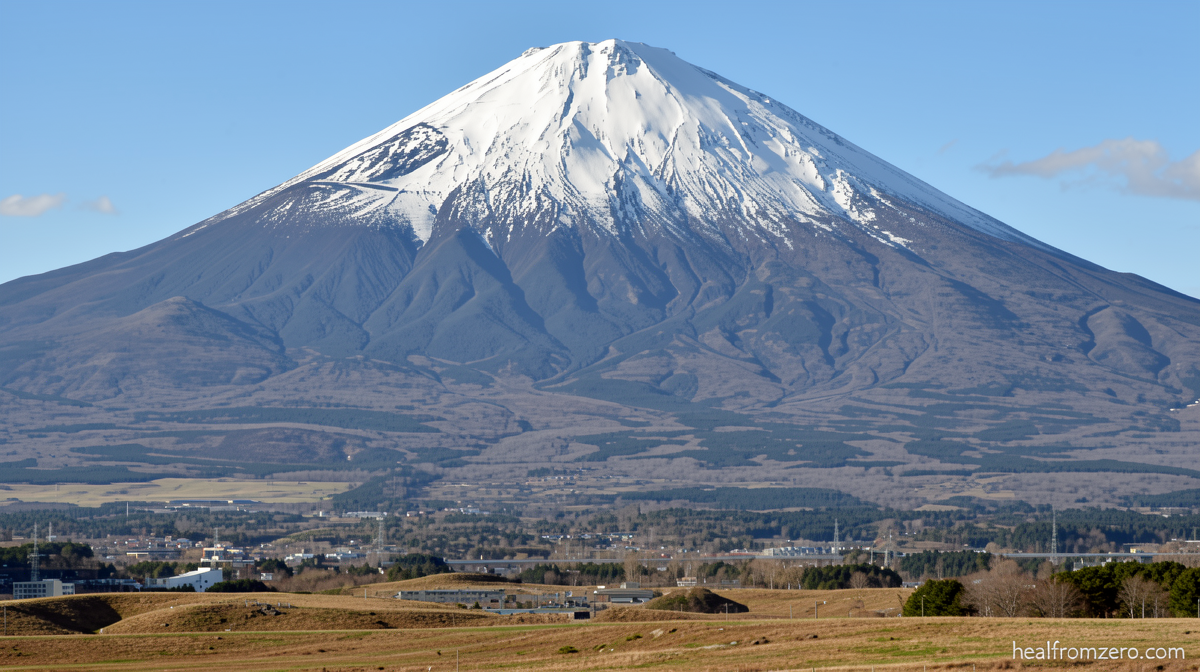
Healfromzero.com – Mount Fuji draws millions of visitors each year, drawn by the promise of a summit experience atop Japan’s iconic 12,388-foot (3,776-meter) volcanic peak. Yet the mountain’s upper reaches remain a demanding environment where thin air, sudden weather shifts, and steep terrain can turn a family outing into an emergency. On Thursday, that danger became very real for a seven-year-old boy who found himself sitting alone at a mountain hut roughly 8,200 feet (2,500 meters) above sea level — just past the halfway mark of the climb — while his father and older brother pressed onward without him.
What Happened at the Sixth Station
The boy had set out on the Fujinomiya trail with his father and an older sibling. Partway up the route, he grew exhausted and reluctant to keep walking. Rather than turning back or finding another solution, his father instructed the child to remain seated on a bench at the trail’s sixth station and wait until the adults returned. The boy complied, sitting alone at the small shelter while his companions continued their ascent.
Hours passed. A worker at the hut eventually noticed the small figure sitting by himself and alerted authorities. Police were dispatched to the location and met the boy there, where he was found unharmed but clearly isolated. When his father and brother finally came back down the trail approximately five hours after leaving him, officers were already present. The child was returned to his father without physical injury.
Police Response and Legal Warning
Officers did not simply reunite the family and move on. They formally reprimanded the father and cautioned him that his conduct could expose him to criminal liability under Japanese law — a reminder that leaving a young child unattended in a remote, high-altitude setting can carry legal consequences beyond a simple scolding. The man expressed remorse for the situation, acknowledging the risk he had placed on his son.
“The officers warned the man he could be held criminally liable.”
That warning underscores a broader point: in Japan, parental neglect or failure to supervise a minor in a dangerous environment can trigger charges under the Penal Code, particularly when the child’s safety is placed at foreseeable risk. A bench at a mountain station, however sturdy, does not constitute adequate supervision for a seven-year-old at that elevation.
Why the Upper Slopes of Fuji Are No Place for Unattended Children
The sixth station sits at an altitude where the air holds roughly 70 percent of the oxygen available at sea level. Symptoms of mild altitude sickness — headache, nausea, dizziness — can develop within hours, sometimes within minutes, for people unaccustomed to the elevation. In past seasons, climbers have required helicopter or ground rescue after succumbing to altitude-related illness on the upper trails. Weather, too, changes with little warning: temperatures can plummet, fog can erase visibility within minutes, and wind gusts on exposed ridgelines can knock an unsteady walker off balance.
A child left alone at that altitude, without a parent within arm’s reach, faces risks that compound quickly. A sudden drop in temperature, a disorientation episode, or a simple slip on loose volcanic gravel could become a life-threatening situation before help arrives. The five-hour gap between departure and return meant the boy had no adult to monitor his condition, adjust his clothing, or intervene if his fatigue turned into something more serious.
A Growing Problem and New Regulatory Measures
Incidents like this one have fueled a wider conversation in Japan about how to manage the surging popularity of Mount Fuji hiking. In recent years, authorities have introduced a series of controls aimed at reducing accidents and overcrowding:
A daily cap on the number of climbers permitted on the mountain now limits foot traffic to a set maximum, easing congestion on narrow switchbacks and reducing the chance that a stranded hiker goes unnoticed. Separately, hikers are required to complete a brief safety briefing before beginning their ascent — covering altitude awareness, weather preparedness, trail etiquette, and what to do if someone in the group becomes unwell. These measures reflect a recognition that the mountain, while culturally sacred and visually spectacular, is still a high-altitude volcanic environment where preparation matters.
What the Incident Says About Family Hiking Culture
For many Japanese families, a summer hike up Fuji is a rite of passage — a shared memory, a photo at the summit, a story told for years. The desire to complete the climb can, however, create pressure to keep moving even when a younger member of the group is struggling. In this case, the father’s decision to leave his son behind rather than turn around or slow the pace turned a manageable fatigue episode into a five-hour solo vigil at altitude.
The episode has prompted public discussion about reasonable expectations for children on multi-hour mountain hikes, the point at which a parent should pivot and descend rather than push ahead, and the legal and moral weight of leaving a minor unattended in a setting where rescue times are measured in hours, not minutes. Police involvement, while ultimately limited to a warning and a reunification, signals that authorities view such lapses as more than private family matters when the environment amplifies the danger.
The boy came home safe. That outcome, however, depended on a worker noticing him, on police responding promptly, and on no weather event or altitude episode intervening during those five solitary hours. The margin between a reprimand and a tragedy was thinner than most parents would prefer.
Related Reading
Frequently Asked Questions
What is Man leaves tired 7 year old son?
Man leaves tired 7 year old son is the main topic of this guide. The article explains the context, practical details, and next steps readers should understand.
Why does Man leaves tired 7 year old son matter?
Man leaves tired 7 year old son matters because readers are looking for a useful answer, not just a short summary. Good content should match search intent and help them decide what to do next.