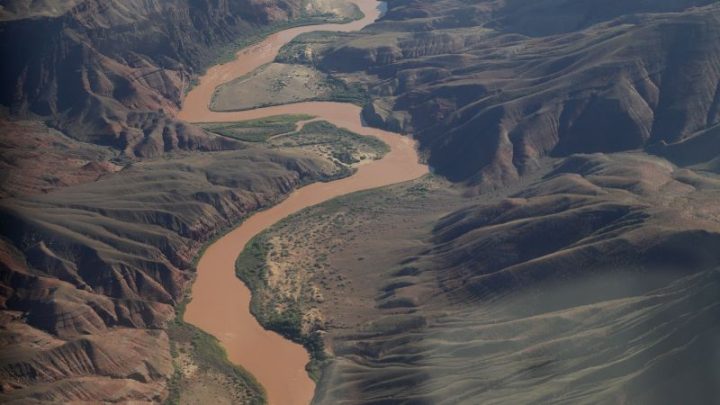
El Niño-caused drought in Panama is likely to raise prices on everything from medicine to fuel

Daftar Isi
Panama Canal Drought Driven by Record-Breaking El Niño Threatens Global Supply Chains and Consumer Wallets
Healfromzero.com – The shelves of American grocery stores, pharmacies, and hardware outlets may soon reflect a price tag that has nothing to do with inflation policy or corporate greed. Instead, the culprit is a warm patch of Pacific Ocean water thousands of miles away. An El Niño event that forecasters anticipate will rank among the strongest ever recorded is squeezing the freshwater supply that keeps the Panama Canal operational, and the knock-on effects are already rippling through international freight rates with direct consequences for everyday buyers.
A Backlog That Refuses to Clear
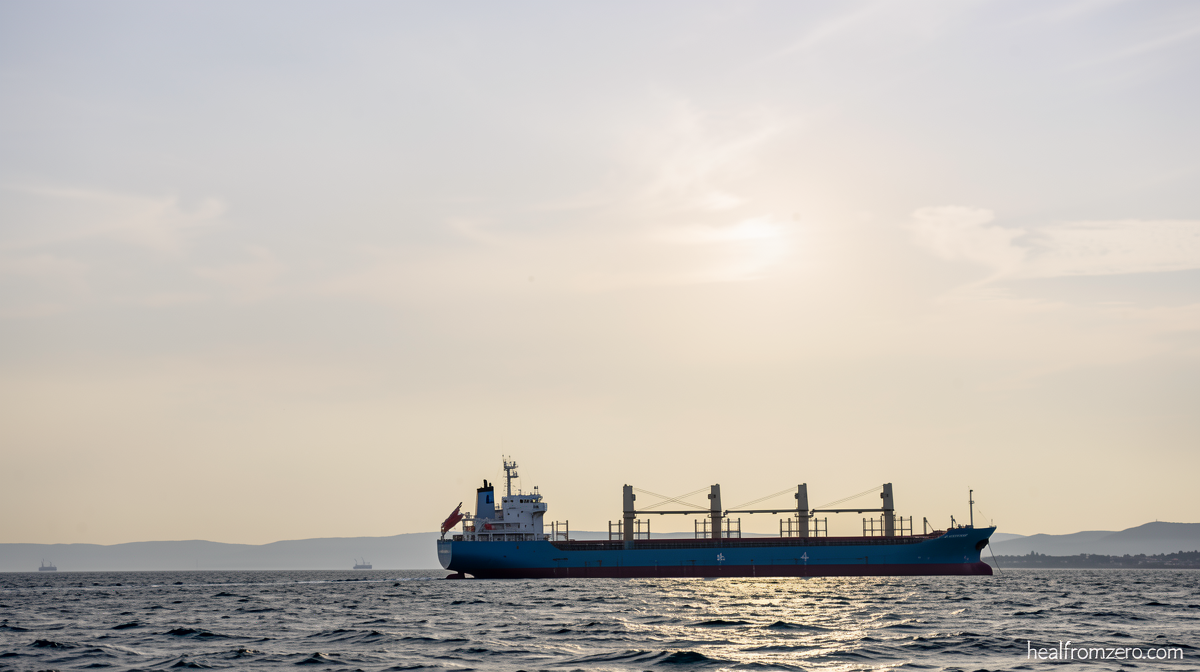
By early August, the queue of ships idling at the canal’s Pacific entrance had grown to dozens of vessels. Several had been stranded for more than seven days, while a single chemical tanker sat anchored for over a month. The situation reached a flashpoint on August 10, when a massive container vessel paid roughly $4 million to jump the line and complete its transit ahead of everyone else. Logistics firm Flexport, which had loaded 30 containers onto that privileged ship, noted that the Pacific-side congestion had reached its worst level since May — a period already strained by shipping disruptions tied to conflict in the Strait of Hormuz.
What made the August standoff different from earlier bottlenecks was the introduction of a climatic variable that no amount of port management can engineer away. El Niño, the periodic warming of equatorial Pacific waters, was intensifying precisely as the canal entered its most water-sensitive season.
“The ripple effects are significant through supply chains and all the way to consumer prices at stores,” said Benjamin Gedan, senior fellow and director of the Latin American program at the nonpartisan Stimson Center.
How a Climate Pattern Starves a Waterway
The Panama Canal is a 50-mile engineered channel slicing through the narrowest point of Central America, linking the Atlantic and Pacific oceans and shaving days of sailing time off transoceanic routes. Roughly 5 percent of all global maritime cargo transits the waterway each year. The United States accounts for approximately 70 percent of that traffic, making the canal a critical artery for American importers and exporters alike.
Vessels cross the isthmus via a series of locks — essentially enormous water-filled chambers that lift or lower ships in stages, much like a staircase for boats. Those locks depend on a steady inflow of freshwater drawn from Lake Gatun, a reservoir formed by damming the Chagres River. When El Niño reshapes regional rainfall patterns, the lake’s inflow shrinks, and the canal’s operational ceiling drops with it. During the consecutive El Niño years of 2023 and 2024, Lake Gatun fell to historic lows, forcing the canal to cut daily transits from 36 ships to just 24.
Rainfall Shortfalls Already Underway
Panama’s wet season, which typically runs from May through December, was supposed to replenish the watershed. Instead, the new El Niño — officially declared by the U.S. National Oceanic and Atmospheric Administration in June and projected to peak between October and December — has inverted the expected pattern. Rather than delivering above-average rain, the phenomenon is suppressing precipitation across the canal basin.
The numbers paint a stark picture. Panama City has received only 75 percent of its normal rainfall since May 1. The western city of David, situated closer to the watershed’s headwaters, has logged just 60 percent of its 90-day average. Across the entire canal watershed, cumulative rainfall since May has run 34 percent below the historical norm, according to figures released by the Panama Canal Authority on Thursday.
Operational Concessions: Lower Drafts, Fewer Transits
Faced with shrinking water levels, canal operators have begun tightening the rules governing which ships may pass. The most consequential change involves draft — the vertical distance between the waterline and the keel, which determines how deeply a vessel sits in the water. The Panama Canal Authority announced a reduced draft ceiling of 48 feet, down from the standard 50 feet, taking effect in September. Officials signaled that a further reduction is likely to follow in the coming weeks.
A lower draft ceiling forces carriers to lighten their loads before entering the locks. Fewer tons per transit means more voyages are needed to move the same volume of goods, and that arithmetic translates directly into higher freight charges for shippers and, ultimately, higher retail prices for consumers.
Transit capacity is also being curtailed. Starting September 4, the daily allotment drops to 34 vessels, falling again to 32 by September 15. Analysts caution that while these cuts are milder than the severe restrictions imposed during the 2023–2024 droughts, they will compound existing delays and push transit surcharges higher.
“The potential is still there to get worse,” said Henry Ziemer, Americas Program fellow at the Center for Strategic and International Studies (CSIS).
Shipping Lines Pass Costs Downstream
Major carriers have already begun pricing in the constraints. Mediterranean Shipping Company (MSC) announced on August 12 that draft restrictions reducing vessel capacity had prompted an increase in its Panama Canal surcharge — a fee levied on container ships to offset the added costs of transiting the waterway. The hike takes effect September 12 and remains in force “until further notice.” It applies to container shipments originating in Southeast Asia, China, South Korea, and Japan and destined for the U.S. East Coast and Gulf Coast.
Beyond draft limits and reduced daily transits, the canal’s auction-slot system — which allows carriers to bid for priority transit windows — is adding another layer of cost volatility. When water levels constrain the number of available slots, competition for those slots drives auction prices upward, further inflating the cost of moving a single container across the hemisphere.
What Consumers Should Expect
The transmission mechanism from canal congestion to grocery-store shelves is well documented. Tighter freight capacity raises the per-unit cost of imported goods — from pharmaceuticals and agricultural inputs to consumer electronics and fuel products routed through the canal. When carriers absorb less of the surcharge and pass more of it to importers, retail prices adjust within weeks to months, depending on inventory buffers.
For a country that imports roughly 70 percent of the canal’s cargo flow, the United States sits at the front of that queue. If the El Niño peaks as forecast between October and December, and if rainfall shortfalls persist through the remainder of the wet season, the operational restrictions currently in place could tighten further. Each additional week of reduced transit capacity adds pressure to an already strained global logistics network, and the final invoice arrives not at a shipping terminal but at the checkout counter.
Related Reading
Frequently Asked Questions
What is El Niño caused drought in Panama?
El Niño caused drought in Panama is the main topic of this guide. The article explains the context, practical details, and next steps readers should understand.
Why does El Niño caused drought in Panama matter?
El Niño caused drought in Panama matters because readers are looking for a useful answer, not just a short summary. Good content should match search intent and help them decide what to do next.