Some food prices are rising. See how much the cost of common grocery items has shifted

Some Food Prices Are Rising: What Shoppers Need to Know
Healfromzero.com – Some food prices are rising as American families navigate shifting grocery costs in 2025. While the dramatic egg price surge that dominated headlines has cooled considerably, consumers are encountering new patterns of inflation across their weekly shopping trips. Certain protein sources, beverages, and staple items have continued their upward trajectory, creating fresh budget considerations for households nationwide.
Key Drivers Behind Current Price Increases
The grocery pricing landscape has been reshaped by multiple converging forces. Supply chain bottlenecks that originated during the pandemic persisted well into recovery phases, while agricultural producers simultaneously faced labor shortages and rising transportation expenses. Warehouse capacity constraints further contributed to elevated shelf prices that shoppers felt directly at checkout counters.
Trade policy adjustments have also influenced current pricing dynamics. The administration’s comprehensive tariff approach implemented throughout last year has rippled through various food categories. Items relying on imported ingredients or competing with foreign products have experienced particular cost pressure, with price increases passing through to American consumers at varying rates depending on each commodity.
Understanding the Latest Food Inflation Data
Government economists track consumer food expenditures through specialized measurement instruments. These metrics represent a focused subset of the broader Consumer Price Index, designed specifically to capture price movements for home-consumed items rather than restaurant meals. This distinction matters considerably, as food service pricing follows different patterns influenced by labor costs and overhead expenses.
Recent readings indicate that food inflation has retreated substantially from its pandemic-era peaks. Current rates align more closely with historical averages that economists consider representative of normal economic conditions. This stabilization does not mean prices have returned to pre-pandemic levels, but rather that the rate of increase has slowed to more sustainable patterns.
However, not all categories have settled into predictable behavior. Certain products continue experiencing volatility driven by weather patterns, seasonal harvest cycles, and ongoing trade negotiations. Consumers should expect some categories to remain less predictable than others as global markets continue adjusting to new economic realities.
Categories Showing Continued Price Pressure
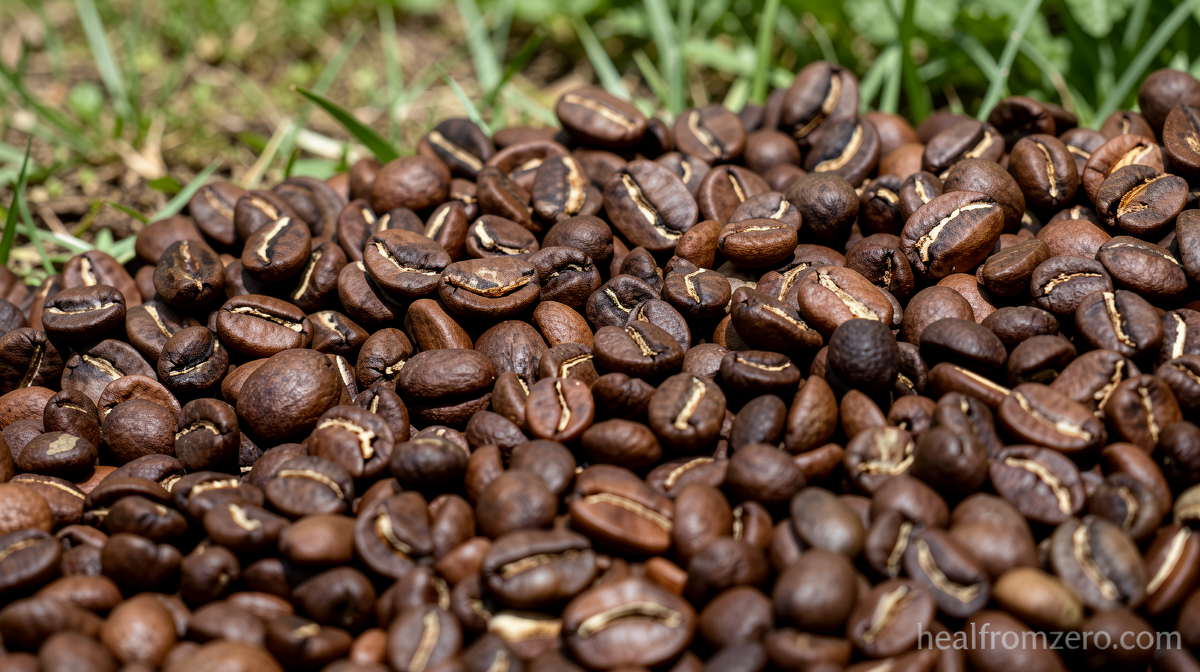
While eggs have emerged from their dramatic price spike, other protein sources tell a different story. Premium cuts of steak and ground beef have maintained upward momentum, reflecting both domestic production costs and international market influences. Coffee has similarly climbed, affected by supply constraints in major growing regions and currency fluctuations that impact import costs.
These categories represent just a portion of the broader picture. The tracking system monitors dozens of common household staples, providing consumers with a comprehensive view of how their shopping habits are being affected. Monthly updates ensure that the data remains current as new economic indicators emerge.
Practical Implications for American Families
The overall trend toward stabilization offers some relief for household budget planning. When prices move in predictable patterns, families can make more informed decisions about meal planning, bulk purchasing, and seasonal shopping strategies. The continued volatility in certain categories means flexibility remains important, but the broader direction suggests the worst of the inflationary pressure may be behind us.
Understanding these trends helps consumers distinguish between temporary price fluctuations and longer-term shifts in the cost of living. As the data continues to accumulate, patterns will emerge that can guide both individual purchasing decisions and broader economic policy considerations.
Frequently Asked Questions
Which food categories are seeing the biggest price increases? Premium beef cuts, coffee, and certain protein sources continue showing upward price movement. While eggs have stabilized after their 2025 surge, other categories remain under pressure from supply constraints and trade policies.
How does food inflation compare to overall inflation? Food inflation has retreated substantially from pandemic peaks and now aligns more closely with historical averages. However, food service pricing follows different patterns than grocery items due to labor and overhead costs.
When can consumers expect prices to stabilize further? Stabilization depends on weather patterns, harvest cycles, and trade negotiations. Some categories will remain less predictable as global markets continue adjusting to new economic conditions.
Where can I find updated food price tracking data? The automated tracking system provides monthly updates incorporating new government data. Readers can access the most current figures through official government sources and business news outlets.