
US-backed democracy talks start in Venezuela without Nobel laureate Machado
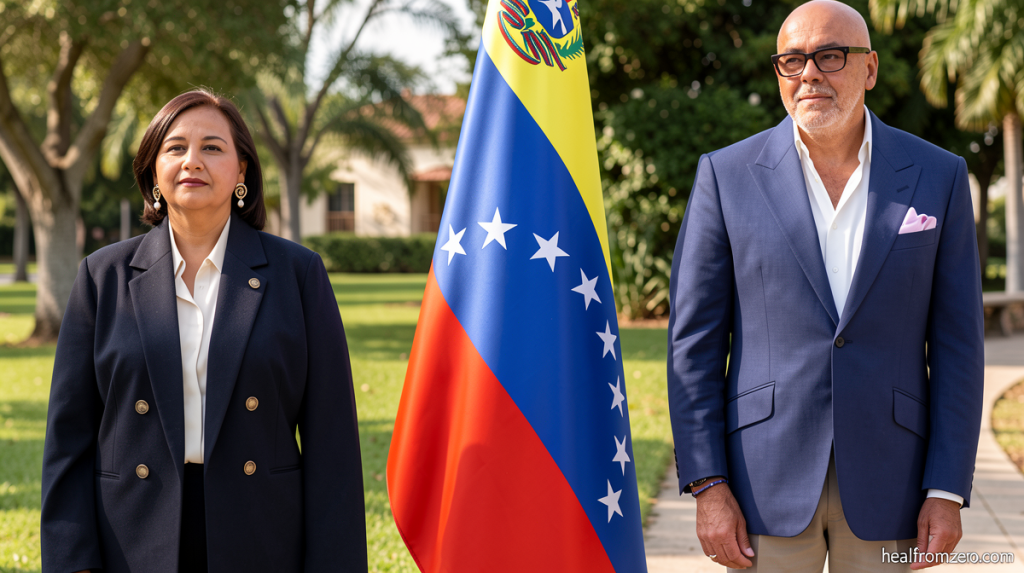
Venezuela Enters New Chapter as US-Brokered Democracy Talks Begin in Caracas
Healfromzero.com – Caracas hosted a pivotal gathering Thursday as government representatives and opposition figures convened for what many analysts view as a turning point in the nation’s political trajectory. The negotiations, backed by Washington, aim to guide Venezuela through a democratic transition following the recent removal of President Nicolás Maduro from power. American influence permeates these discussions, with the United States having played a central role in orchestrating the political shift months earlier.
The government delegation arrives under the leadership of Jorge Rodríguez, who serves as president of the current National Assembly and is the sibling of acting president Delcy Rodríguez. Opposite them sits Dinorah Figuera, a former congresswoman heading the opposition contingent. This opposition group consists primarily of legislators from the 2015 National Assembly—the final legislative body that American officials recognized as legitimate before the political upheaval.
Key Figures Absent But Watching
Two prominent opposition voices remain missing from the negotiating table. María Corina Machado and Edmundo González Urrutia, a former presidential candidate, both continue their exile abroad. Despite their physical absence, each has publicly committed to closely monitoring proceedings and expressed optimism that these discussions will culminate in fresh electoral contests.
Historical precedent suggests caution. Venezuela has witnessed more than twelve negotiation attempts since 2013 between the government and various opposition factions, yet none produced tangible outcomes. Experts believe this round differs fundamentally because it represents the first initiative actively promoted and partially directed by the United States government.
A Three-Phase American Vision
The dialogue aligns with Washington’s comprehensive strategy encompassing stabilization, economic recovery, political reconciliation, and democratic transition—all designed to pave the way for new elections. Both negotiating parties have identified three priority areas: addressing the devastating June earthquakes, reinforcing democratic frameworks, and securing political rights for all citizens.
Figuera, who arrived in Venezuela on Wednesday evening, outlined additional discussion points including potential restructuring of the electoral oversight body to enhance its credibility and reliability. She also mentioned proposed reforms targeting the Supreme Court of Justice. Speaking with Venezuelan network Televen, she emphasized that the process requires patience, noting that comprehensive results could be formally unveiled by December.
The US Embassy in Caracas said it welcomes the talks and remains committed to supporting Venezuelan-led efforts to strengthen democratic institutions, expand political freedoms, and promote a more stable and prosperous future for the people of Venezuela.
Washington’s Growing Role
US Secretary of State Marco Rubio clarified in mid-July that these negotiations extend beyond mere reconciliation. He characterized them as the beginning of a transition process in which Washington would maintain active involvement. This American engagement represents what Venezuelan analyst Carmen Beatriz Fernández identifies as the most significant departure from previous efforts.
The strings of this negotiation are not being pulled by the government, but by the State Department. And that is becoming increasingly clear, no matter how much they try to disguise it and make it less obvious,
Fernández, director of the consulting firm DataStrategia, told CNN that the State Department’s influence is becoming unmistakable despite government efforts to minimize its visibility.
Jorge Rodríguez maintains that Venezuela’s renewed relationship with the United States rests on diplomatic and commercial cooperation rather than subordination or foreign interference. Christopher Sabatini, director of the Latin America program at the Chatham House think tank, offers a more nuanced perspective. He argues that the US government possesses genuine leverage over both sides through economic, political, and legal mechanisms—including sanctions and other restrictions—while also noting that Figuera’s appointment as the opposition’s principal delegate demonstrates American influence.
Figuera’s Political Journey
The opposition’s lead negotiator brings extensive experience to the table. A cancer survivor, Figuera began her political career as a councilor representing the Libertador Municipality of Caracas between 1995 and 2000. She subsequently served as a deputy for Caracas in the National Assembly starting in 2010, then represented Aragua state in the same chamber from 2015 onward.
Political tensions forced Figuera into exile in Spain in 2018 following alleged threats and harassment by Venezuelan authorities. During the period between 2019 and 2023, she emerged as a central figure in the opposition movement championed by Juan Guaidó. That movement mounted an unsuccessful challenge against Maduro while receiving backing from then-President Donald Trump during his first term in office.
In January 2023, former opposition deputies from the 2015 National Assembly selected Figuera as president of the legislative body. Her prominence drew immediate attention from the government, which issued arrest warrants and a red alert for five former opposition deputies, including Figuera, accusing them of usurpation of functions and treason.
Implications for Venezuela’s Future
These talks carry substantial weight for Venezuela’s trajectory. The presence of American mediation, combined with the participation of experienced opposition leaders like Figuera, suggests that stakeholders are approaching this moment with renewed seriousness. The focus on electoral reform and judicial restructuring indicates that participants recognize the need for institutional changes rather than superficial adjustments.
The earthquake response component adds urgency to the negotiations, as recovery efforts require coordinated action between government and opposition forces. Meanwhile, the promise of a formal presentation in December provides a timeline that both sides can reference as they work toward consensus.
Whether these talks achieve what previous attempts could not remains to be seen. However, the combination of American involvement, experienced negotiators, and clear objectives suggests that Venezuela may finally be moving toward a more stable democratic future.
Related Reading
Frequently Asked Questions
What is US backed democracy talks start in Venezuela?
US backed democracy talks start in Venezuela is the main topic of this guide. The article explains the context, practical details, and next steps readers should understand.
Why does US backed democracy talks start in Venezuela matter?
US backed democracy talks start in Venezuela matters because readers are looking for a useful answer, not just a short summary. Good content should match search intent and help them decide what to do next.