
Why US water systems are vulnerable to foreign cyberattacks
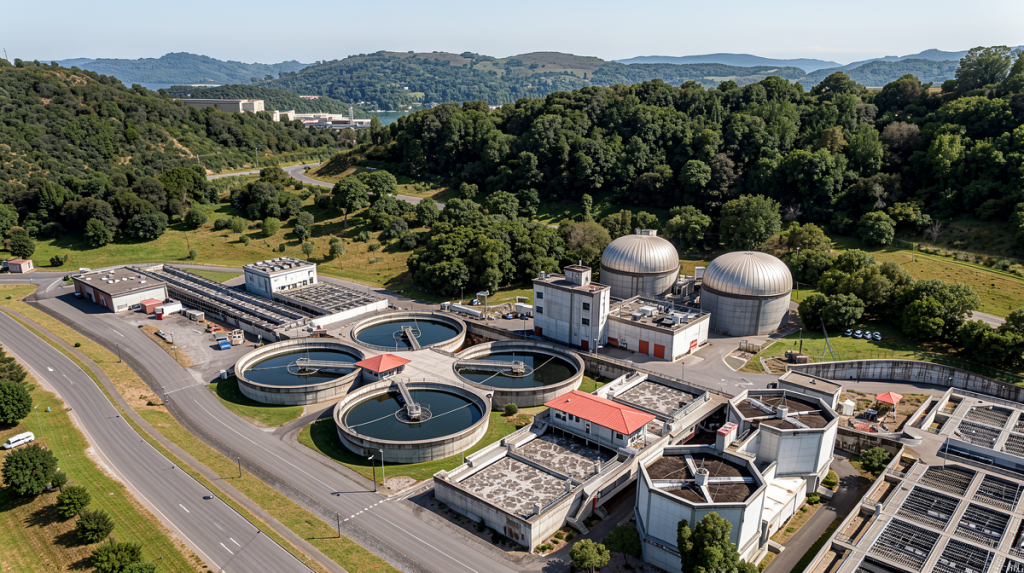
Water Infrastructure Under Siege: How Foreign Hackers Exploited Decades of Neglect
Healfromzero.com – A coordinated series of cyber intrusions has struck municipal water facilities across twelve American states, revealing a critical vulnerability in the nation’s most essential public services. The attacks, which unfolded during an intense summer heat wave, have forced officials to confront uncomfortable questions about why the hackers stopped short of causing more catastrophic damage. While drinking water safety remained intact, the incidents exposed years of insufficient funding and outdated security protocols that left critical infrastructure exposed to foreign adversaries.
What Happened at the Water Facilities
The Federal Bureau of Investigation confirmed that the cyber intrusions caused physical disruptions at multiple water treatment plants, including pressure drops and localized flooding. State and local authorities emphasized that these incidents did not compromise the quality or safety of the water supply for residents. However, the timing and nature of the attacks have raised concerns about their potential severity.
One US official questioned whether the hackers had held back intentionally: “Do we have the C team and they couldn’t do worse?” Another added, “How bad could it be if the A team turned to the US?” The concern centers on the possibility that the attackers could have manipulated chemical dosing devices to contaminate the water supply, a scenario that would have had far more serious consequences for public health.
The Suspects and Their Capabilities
Iran remains the primary suspect in these coordinated attacks, though US officials have not yet formally confirmed Tehran’s involvement. For years, intelligence communities have warned that sabotage-capable hacking units from Russia, China, and Iran have been systematically building access to sensitive industrial networks throughout the United States. These teams have been described as lying in wait, positioning themselves for a moment of national crisis when they could cause maximum disruption with minimal effort.
The soft underbelly of American infrastructure—local water and power plants that serve military installations and civilian populations alike—has been a particular focus of these foreign operations. Now, water system operators in modest-sized towns and counties find themselves at the forefront of investigating one of the most significant cyberattacks on the sector in recent memory.
Incidents from South Dakota to Georgia
The geographic scope of the attacks spans from South Dakota to Georgia, demonstrating that the vulnerability is not limited to any single region. In Clayton County, Georgia, the water authority was investigating “unauthorized cyber activity” that may have caused a critical pump station to fail. The incident triggered a boil-water notice in the early hours of July 27, though officials managed to restore operations within hours.
Erin Thomas, a spokesperson for the Clayton County Water Authority, told CNN that her team had not previously experienced a malicious cyber incident of this magnitude. “Our main concern when this happened was to make sure that we got the system up and running,” she explained.
Meanwhile, in Rapid City, South Dakota, a “cyber incident” struck one of the lift stations serving the city’s wastewater system, officials announced on July 31. Mike Theis, Rapid City’s public works director, said the community was not surprised by the possibility of being targeted by a foreign adversary, particularly during wartime. He credited the “quick action from our employees who noticed abnormal behavior” on computer systems and promptly isolated them from the internet.
Policy Responses and Legislative Action
The hacking incidents have prompted swift responses at both the federal and state levels. New York Governor Kathy Hochul, a Democrat, announced approximately $9 million in grants designed to strengthen the cyber defenses of water systems throughout New York State. On the federal level, Democratic Senator Adam Schiff of California plans to introduce legislation next week that would expand the Environmental Protection Agency’s authority to help boost water cyber defenses, according to his spokesperson.
Root Causes and Future Implications
Beyond national security concerns, water-sector specialists and cyber experts express deep frustration that so much critical infrastructure remains directly accessible from the internet. Marty Edwards, former head of the Department of Homeland Security’s Industrial Control Systems Cyber Emergency Response Team, noted that “For the past 20 years, experts have been telling utilities to make sure their systems were not directly accessible from the internet.” He characterized the recent intrusions as “the result of complacency and a lack of budget prioritization.”
Caitlin Durkovich, a former deputy homeland security adviser in the Biden White House, summarized the broader strategic picture: “It’s no secret that water utilities are under-resourced and vulnerable to cyberattacks, and it’s no secret that our adversaries know it.” She emphasized that by targeting critical infrastructure, adversaries “can undermine public confidence in our leaders and impose significant costs with relatively little effort. They’ve spent years positioning themselves for exactly this kind of disruption.”
The attacks serve as a wake-up call for municipalities of all sizes. Water systems that once operated with minimal cybersecurity measures now face the reality of being potential targets in geopolitical conflicts. As legislative and funding responses begin to materialize, the question remains whether the United States can modernize its water infrastructure quickly enough to prevent future attacks from escalating beyond their current scope.
Related Reading
Frequently Asked Questions
What is Why US water systems are vulnerable?
Why US water systems are vulnerable is the main topic of this guide. The article explains the context, practical details, and next steps readers should understand.
Why does Why US water systems are vulnerable matter?
Why US water systems are vulnerable matters because readers are looking for a useful answer, not just a short summary. Good content should match search intent and help them decide what to do next.