
FAA orders inspection of hundreds of 737 Max jets for cracks
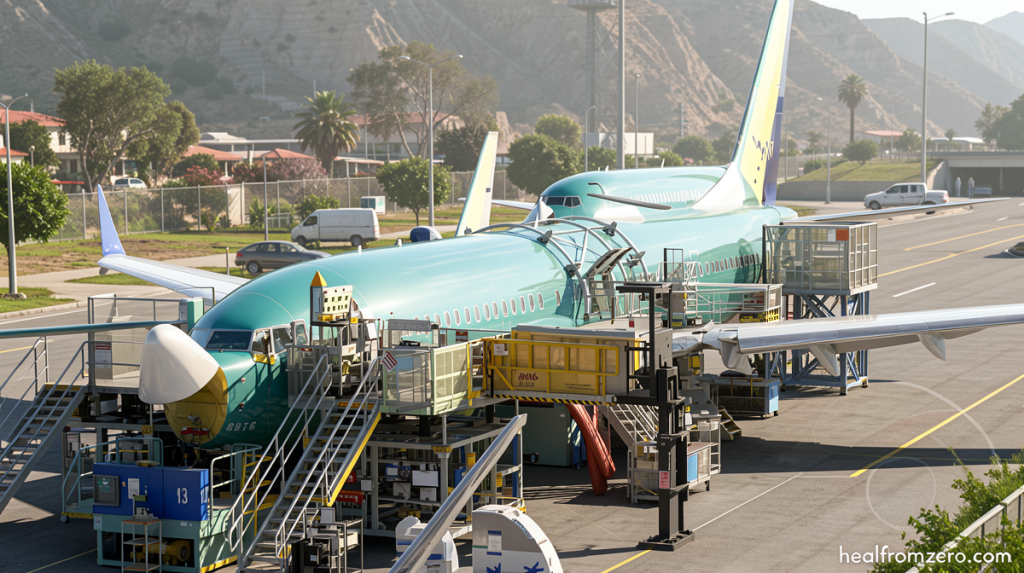
Boeing 737 Max Fleet Faces Crack Inspections Following FAA Directive
Healfromzero.com – The Federal Aviation Administration has issued a comprehensive inspection mandate targeting hundreds of Boeing 737 Max aircraft currently operating within United States airspace. This new directive addresses concerns about structural cracks that could potentially compromise the safety and integrity of these widely-used commercial jets. The regulatory body emphasized that while the issue requires attention, it does not necessitate immediate grounding of the affected fleet.
Scope of the Inspection Order
The airworthiness directive encompasses approximately 471 aircraft registered in the United States. This total includes multiple variants within the 737 Max family, specifically the Max 8, Max 9, and the newer Max 8-200 models. These aircraft represent a significant portion of Boeing’s modern commercial fleet and are operated by numerous major American carriers.
The cracks identified by inspectors appear in a critical structural reinforcement zone located around the forward service door. This area sits on the right side of the aircraft fuselage, positioned adjacent to the front galley where crew members prepare meals and beverages for passengers. The location is particularly important because it experiences regular stress from door operations and passenger traffic.
Operational Impact on Airlines
Under the new requirements, airlines must conduct inspections according to schedules tailored to each individual aircraft’s operational history and usage patterns. The directive mandates that any detected cracking must be repaired before the affected airplane can resume normal service operations. This approach allows carriers to maintain their flight schedules while ensuring structural safety.
The FAA explicitly stated that it did not order the aircraft to be grounded. Officials explained that the required inspection intervals provide multiple opportunities to identify and address cracks before they could potentially compromise the airplane’s overall structural integrity. This measured response reflects confidence in both the detection methods and the current safety margins of the fleet.
Timeline and Related Actions
The directive becomes effective on September 10, giving airlines adequate time to prepare their inspection programs and coordinate with maintenance teams. This timing allows carriers to integrate the new requirements into their existing maintenance workflows without disrupting regular operations.
This inspection order follows closely on the heels of another regulatory action from last month. The FAA had previously proposed a separate airworthiness directive requiring inspections of seat assemblies on 453 Boeing 737 Max jets. That earlier proposal addressed concerns about potentially incorrect installations that could affect passenger safety during flight.
Boeing’s Response and Manufacturing Changes
Boeing has implemented modifications to its manufacturing process specifically designed to address the crack issue on newly constructed airplanes. These production adjustments aim to prevent similar structural problems from occurring in future aircraft deliveries. The company has been working to enhance quality control measures across its production lines.
The manufacturer has been under increased scrutiny from regulators and the public since a dramatic incident in January 2024. During that event, a door plug unexpectedly detached from an Alaska Airlines jet while it was in flight. The National Transportation Safety Board investigation revealed that four bolts, which were supposed to secure the door plug in place, had been missing when the aircraft was delivered to the airline in October 2023.
What Passengers Should Know
For travelers using the affected aircraft, the inspection process should result in minimal disruption to flight schedules. Airlines are expected to complete inspections during routine maintenance windows rather than requiring special groundings. Passengers may notice additional maintenance activities at airports where these aircraft are based, but normal operations should continue as planned.
The structural reinforcement area where cracks have been found is not a primary load-bearing component, which explains why the FAA determined immediate grounding was unnecessary. However, the regulatory body wants to ensure that any developing cracks are identified and repaired before they could potentially grow or affect adjacent structural elements over time.
This latest directive represents another chapter in Boeing’s ongoing efforts to restore full confidence in its aircraft manufacturing processes following the series of incidents that have drawn regulatory attention in recent years. The comprehensive inspection approach demonstrates a commitment to thoroughness rather than rushing to resolve the issue with minimal oversight.
Related Reading
Frequently Asked Questions
What is FAA orders inspection of hundreds of 737?
FAA orders inspection of hundreds of 737 is the main topic of this guide. The article explains the context, practical details, and next steps readers should understand.
Why does FAA orders inspection of hundreds of 737 matter?
FAA orders inspection of hundreds of 737 matters because readers are looking for a useful answer, not just a short summary. Good content should match search intent and help them decide what to do next.