
Takeaways from Tuesday’s primaries in Michigan, Missouri, Kansas, Virginia and Washington
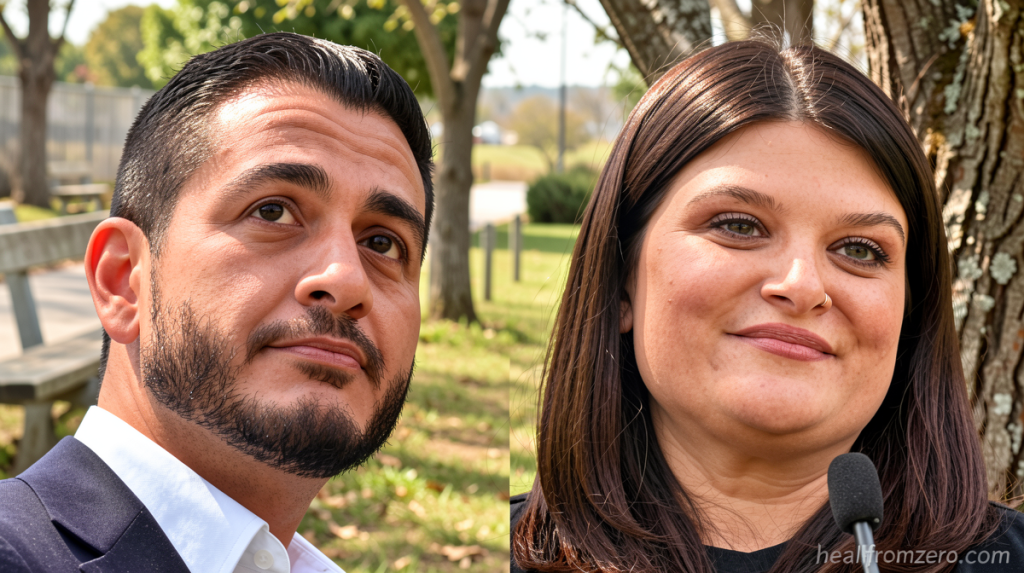
Primary Election Results Reveal Shifting Dynamics Across Five States
Healfromzero.com – Voters across the Midwest and Pacific Northwest cast ballots Tuesday in a series of primaries that will shape the upcoming November elections. From Michigan to Washington, the results illuminate how Democratic voters are navigating the tension between progressive ideals and moderate pragmatism as they prepare for midterm contests.
Michigan’s Senate Race Sets Stage for November
The most scrutinized contest unfolded in Michigan, where Democratic voters are determining who will challenge Republican former Representative Mike Rogers this fall. The race centers on whether the party should nominate a progressive or moderate candidate to replace retiring Senator Gary Peters—a seat critical to Democrats’ goal of gaining four additional seats and securing Senate control.
Progressive former public health official Abdul El-Sayed and moderate Representative Haley Stevens emerged as the primary contenders. Both candidates delivered messages of unity as votes continued to be tallied well past midnight. Stevens addressed her supporters at campaign headquarters shortly before 1 a.m., noting the predictability of a tight contest. El-Sayed followed with remarks emphasizing common ground over division, promising to rebuild bridges with fellow Democrats in the days ahead.
“We knew this was going to be a close race, and that’s exactly what we’ve got,” Stevens told supporters at her campaign headquarters just before 1 am.
“There is so much more that unites us than divides us. And so, to all of our supporters here tonight, watching on TV: Tomorrow we begin to mend fences,” El-Sayed said.
Progressive Challenges Face Mixed Results
The progressive movement encountered both setbacks and victories across the primary slate. In St. Louis, Representative Wesley Bell successfully defended his seat against former Representative Cori Bush in a rematch that highlighted the district’s ideological diversity. Black voters comprise approximately half of the electorate in this district, making it a bellwether for how progressive candidates fare in communities of color.
The two candidates have a history of competing against each other. Bush initially won the seat in 2020 by defeating a Democratic incumbent, only to lose it four years later to Bell in another primary contest. Their contrasting approaches—Bush as a combative progressive and Bell as a consensus-oriented problem solver—reflected broader party tensions. Neither candidate represented a generational shift, with Bush at 50 and Bell at 51.
Meanwhile, Michigan’s 7th District primary produced a notable victory for the left wing of the party. Democratic socialist and climate activist William Lawrence won a three-way race, capitalizing on a split among more establishment-oriented candidates. Former U.S. Ambassador to Ukraine Bridget Brink and Navy SEAL veteran Matt Maasdam divided the remaining vote, allowing Lawrence to advance to face Republican Representative Tom Barrett in a highly competitive November contest.
Lawrence’s campaign has drawn criticism from prominent Democratic leaders, including House Minority Leader Hakeem Jeffries and the Congressional Black Caucus. This backlash followed the publication of 2024 remarks in which Lawrence suggested that Black political leaders “defang the White left.” The race represents an unusual opportunity to evaluate whether a Sanders-backed progressive candidate can succeed in a swing district.
Voters Reject Ballot Measure Restrictions
Perhaps the most dramatic outcome of Tuesday’s elections came in Missouri, where voters overwhelmingly rejected Amendment 4. The Republican-led initiative sought to require voter-initiated ballot measures to secure a majority in every congressional district within the state, rather than simply a statewide majority. This change would have effectively allowed heavily Republican districts to block measures supported by the broader electorate.
As of late Tuesday evening, the amendment received only 20 percent of the vote—a margin significantly larger than typical rejections of similar proposals. Missouri’s decision echoed patterns seen in other states. Ohio voters rejected a comparable Republican effort in 2023 by double digits, while Arkansas and South Dakota also defeated similar measures by substantial margins. South Dakota had previously rejected raising its threshold to 55 percent in 2018.
The one recent exception to this trend occurred in Arizona, where voters narrowly approved a ballot measure restriction in 2022. This pattern suggests that while Republicans continue attempting to limit direct democracy through district-based requirements, voters consistently push back against these efforts.
Additional Races Shape November Outlook
Beyond the headline contests, voters in Michigan and Kansas determined their gubernatorial matchups, while Virginia selected nominees for several key congressional positions. In Missouri, an incumbent Democrat successfully defended against a democratic socialist former congresswoman seeking to reclaim her previous seat.
These results collectively demonstrate a Democratic electorate that values both ideological conviction and electoral viability. The progressive versus moderate dynamic played out across multiple races, with neither side achieving complete dominance. As vote counting continues in several states, the full picture of Tuesday’s primaries will emerge, providing valuable insights into how the party’s base is positioning itself for the general election.
Related Reading
Frequently Asked Questions
What is Takeaways from Tuesday s primaries in Michigan?
Takeaways from Tuesday s primaries in Michigan is the main topic of this guide. The article explains the context, practical details, and next steps readers should understand.
Why does Takeaways from Tuesday s primaries in Michigan matter?
Takeaways from Tuesday s primaries in Michigan matters because readers are looking for a useful answer, not just a short summary. Good content should match search intent and help them decide what to do next.