
US not ready to seek deal to end war with Iran, Donald Trump says
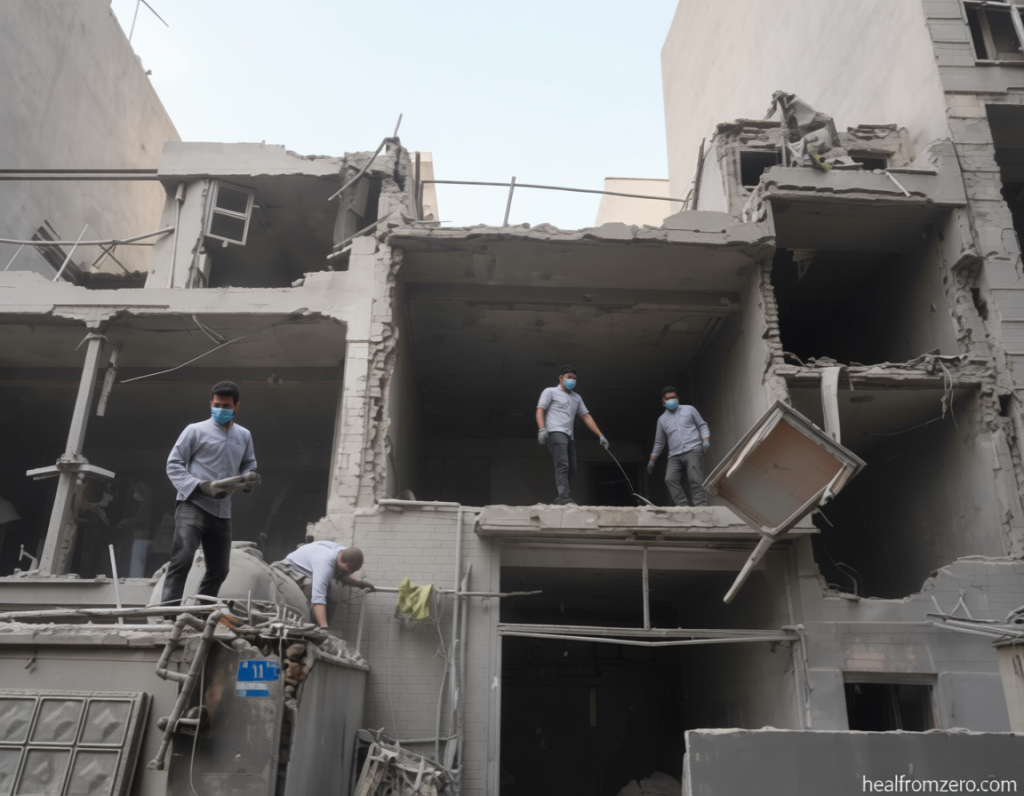
US Not Ready to Seek Ceasefire with Iran, Donald Trump Says
Donald Trump stated that the United States is not prepared to pursue a ceasefire agreement with Iran, despite the ongoing military actions by Israel and the US in the region. He noted that while Tehran appeared eager to negotiate, the US would continue its campaign until the terms of peace were more favorable. This remark coincided with Iran’s recent missile and drone assaults on Gulf nations and Israel, followed by Israeli and US air strikes targeting Iranian positions.
Regional Impact and Escalation
The war has destabilized the Middle East, disrupting global air travel and oil exports, which have driven up fuel prices worldwide. Both Iran and the US have shown little willingness to soften their stance, even as the death toll rises and oil prices soar due to the near-closure of the Hormuz Strait. Trump, speaking to NBC News on Saturday, hinted at potential further strikes on Kharg Island, a critical oil hub, saying the US might target it “just for fun” after Friday’s military attacks.
“Iran wants to make a deal, and I don’t want to make it because the terms aren’t good enough yet,” Trump remarked, emphasizing plans to intensify assaults on Iranian coastal targets near the strait to secure safe passage for oil shipments.
Iranian Rhetoric and Diplomatic Moves
Iran’s foreign minister, Abbas Araghchi, contradicted Trump’s claims on Sunday, asserting that Iran had never sought a ceasefire or negotiations. “We are ready to defend ourselves for as long as it takes,” he told CBS’s “Face the Nation” program. Meanwhile, Araghchi later mentioned to Al-Araby Al-Jadeed that Iran is open to proposals ending the conflict, though no progress has been confirmed.
“We have never asked for a ceasefire, and we have never asked even for negotiations,” Araghchi stated. “We are ready to defend ourselves for as long as it takes.”
Humanitarian Consequences
The war has displaced over 3.2 million Iranians, with many fleeing cities for safety. Over 1,300 people have been killed by US and Israeli strikes, including 223 women and 202 children, according to Iranian health ministry figures. In Tehran, daily life continued relatively normally, with some cafes and restaurants reopening and traffic easing, though online banking at Bank Melli faced disruptions.
Global Efforts and Regional Tensions
Trump called for international warships to assist in safeguarding tankers through the Hormuz Strait, which carries roughly 20% of global oil and gas supplies. Over 600 vessels are currently stranded in the Red Sea. Turkish officials reported ongoing mediation efforts to ease tensions, but progress remains unclear. Meanwhile, violence persists elsewhere in the region, with Iran’s new supreme leader, Mojtaba Khamenei, vowing to keep the Hormuz Strait closed.
“I don’t know if he’s even alive. So far, nobody has been able to show him,” Trump said, casting doubt on Khamenei’s authority after he was injured in a strike that killed his father on February 28.