
Starmer distances UK from Iran war as EU leaders rule out sending warships
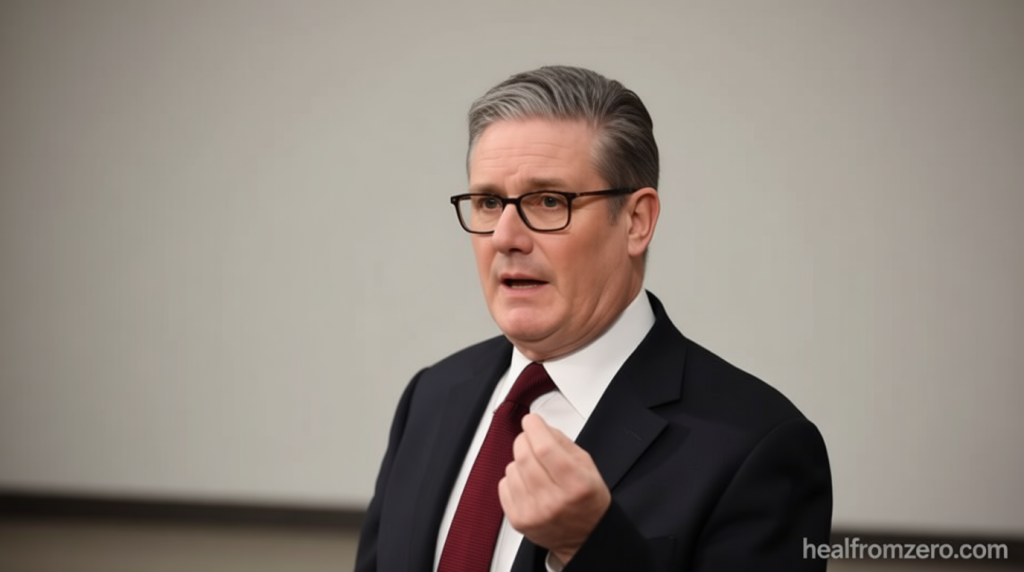
Starmer distances UK from Iran war as EU leaders rule out sending warships
Prime Minister Keir Starmer has clarified the UK’s stance on the escalating Middle East conflict, asserting that the nation will not participate in the broader war against Iran. European leaders, including Germany and Italy, have also expressed reluctance to deploy naval vessels to the strategic Hormuz Strait, despite growing tensions. This decision reflects a growing divergence between the UK and the United States, particularly under President Donald Trump’s aggressive approach to the conflict.
European Leaders’ Stance
As the situation in the region intensified, Starmer highlighted the UK’s commitment to self-defense and alliances without entangling itself in the wider war. “We will not be drawn into the larger conflict,” he stated, acknowledging the difficulty of the choice but emphasizing the necessity of protecting national interests. Meanwhile, other European nations, along with Australia, France, and Japan, have aligned with this cautious approach, choosing not to send ships to the strait.
“I was very surprised with the United Kingdom, because two weeks ago, I said, why don’t you send some ships over? And he really didn’t want to do it,” Trump remarked during a press briefing. “I said, you don’t want to do it? We’ve been with you. You’re our oldest ally, and we spend a lot of money on, you know, Nato and all of these things to protect you.”
Trump’s frustration with the UK’s position has intensified, particularly after Starmer declined to provide minesweepers to the region. The prime minister defended his decision, citing principles that resonate with public sentiment. “Our actions must reflect a calm, level-headed evaluation of what serves the UK best,” he explained, distancing the nation from the US-led operation.
Government Support Amid Rising Costs
In response to soaring energy prices, Starmer announced additional financial aid for low-income families reliant on heating oil. This move aims to alleviate the burden on households as oil prices surged to over $100 per barrel, up from around $65, following Iran’s threat to block shipping lanes. The government is also considering aerial drones to assist in maintaining the strait’s accessibility, though no immediate plan has been confirmed.
Starmer’s refusal to allow Trump to use British bases for the initial attack on Iran has strained relations, but he remains focused on a diplomatic resolution. “We must not overlook the need for a negotiated settlement,” he said, stressing the importance of balancing military action with economic stability. With the war in the Gulf now significantly weakening Iran’s military, the prime minister is keen to see a swift end to hostilities to prevent further domestic strain.