
Goodbye Graaff-Reinet: South African town’s name change stirs racial tensions
Goodbye Graaff-Reinet: South African town’s name change stirs racial tensions
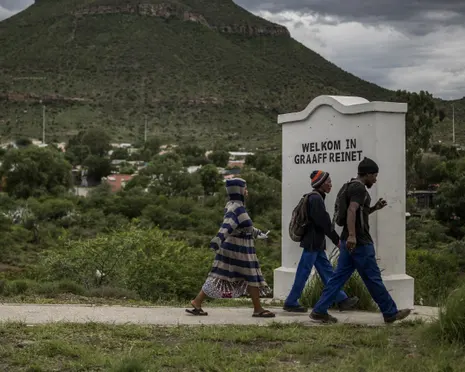
A recent decision to rename the South African town Graaff-Reinet after the anti-apartheid leader Robert Sobukwe has ignited fierce debate, exposing deep-seated divisions over historical identity and racial equity. The move, approved on 6 February by the sports, arts and culture minister Gayton McKenzie, has drawn petitions, demonstrations, and formal complaints, reflecting a split in the community’s sentiment.
The Legacy of a Colonial Name
Graaff-Reinet, established in 1786, was named after Cornelis Jacob van de Graaff, a Dutch Cape Colony governor, and his wife Hester Cornelia Reynet. While some residents cherish the town’s colonial roots, others see its name as a symbol of historical oppression. The renaming effort aims to honor Sobukwe, who was born and buried in the town, and to advance South Africa’s transformation from colonial and apartheid-era systems.
Historical Context and the Sharp Edge of Memory
Robert Sobukwe, a founding figure of the Pan Africanist Congress in 1959, was a vocal critic of the ANC’s inclusion of white members. His leadership during the 1960 Sharpeville massacre, where police killed 69 protesters, remains a pivotal moment in the nation’s struggle against racial injustice. The broader context of name changes in South Africa includes over 1,500 geographic names altered since 2000, such as Port Elizabeth’s shift to Gqeberha in 2021.
Community Divisions and Survey Insights
A survey conducted in December 2023 revealed that 83.6% of Graaff-Reinet’s residents oppose the name change. Coloured individuals expressed the strongest resistance, with 92.9% opposing it, followed by 98.5% of white residents and 55% of Black residents. Conversely, a third of Black residents support the new name. The sample included 54% Coloured, 27.2% Black, and 18.8% white participants, highlighting the demographic complexities at play.
“Many residents felt that changing the name would erase part of their identity as ‘Graaff-Reinetters,’” wrote Stellenbosch University geography professor Ronnie Donaldson about the survey findings.
Voices of Concern and Criticism
Laughton Hoffman, a Coloured-Khoi-San community advocate, warned that the name change could harm tourism, which relies heavily on the town’s historic Cape Dutch architecture. “We are not emotional about the Dutch,” he said, wearing a “Hands Off Graaff-Reinet” T-shirt. “Out of the grief of the past, the name became a benefit for the people and the economy.” Hoffman accused post-apartheid ANC governments of marginalizing his community since 2000.
“We were living in peace and harmony,” said Derek Light, a white lawyer who challenged the name change. “It’s not without fault; we also have poverty and unemployment. But we don’t have racial issues amongst our people.”
Black supporters of the renaming, including members of the Robert Sobukwe Steering Committee, countered that racial tensions have always existed. “We have always had racial problems,” said Athe Singeni. “It was very subtle.” Her mother, Nomandla, emphasized the importance of preserving Sobukwe’s legacy despite recent vandalism of his grave.
The debate underscores the delicate balance between reclaiming historical narratives and addressing ongoing inequities, with the town’s name serving as a flashpoint for broader discussions on identity and transformation in post-apartheid South Africa.