
Epstein files offer new clues about FBI interest in his billionaire benefactor
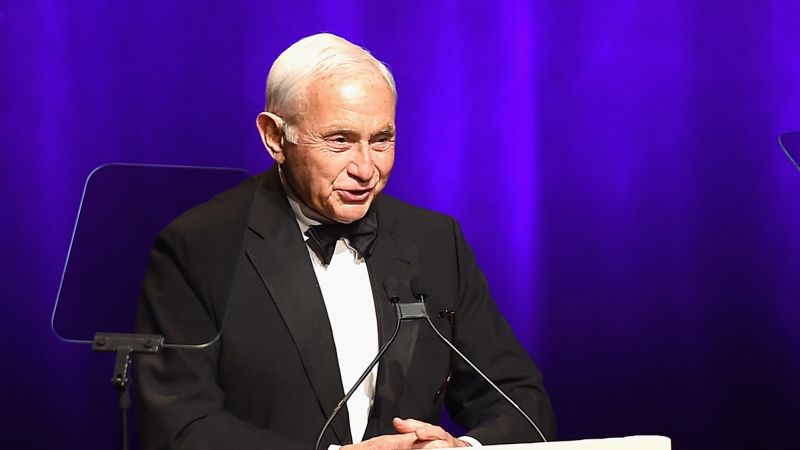
Epstein Files Uncover New Evidence of FBI’s Investigation into Billionaire Benefactor
A House representative recently sparked controversy by asserting that government records had identified a prominent retail tycoon as a co-conspirator in Jeffrey Epstein’s sex trafficking case, while the Department of Justice allegedly concealed this connection to protect him. During a congressional hearing, Rep. Thomas Massie criticized the DOJ for redacting key names and details from the released Epstein documents, calling the situation “bigger than Watergate” and suggesting the cover-up extended over multiple decades.
Les Wexner: A Central Figure in Epstein’s Network
Les Wexner, the former Victoria’s Secret magnate, remains a central but enigmatic figure in Epstein’s web of influence. As a key investor and ally, his ties to the financier have long been scrutinized, with questions about his role in Epstein’s ascent to wealth lingering for years. Despite his prominence, Wexner has never faced formal charges in connection with the cases.
A comprehensive analysis of the DOJ’s extensive Epstein file release revealed that although Wexner’s name was initially hidden in a “co-conspirator” document, it surfaced in numerous other records. These files demonstrate federal authorities have repeatedly probed Wexner’s involvement, including through investigative inquiries before Epstein’s 2008 guilty plea for soliciting prostitution from a minor, and again during a renewed sex-trafficking investigation a decade later.
Emails uncovered in the files indicate officials sought to determine if Wexner was aware of Epstein’s payments to young women for sexual acts. In 2019, the FBI subpoenaed him and engaged his legal team for further details. One document classified him as a “secondary” co-conspirator, though it noted there was “limited evidence” of his participation.
Among the documents is an undated message from Epstein to Wexner, which hints at a shared secret. In a letter riddled with typos, Epstein wrote to “Les” that they had discussed “gang stuff” for over 15 years. He claimed to have “never once” acted to safeguard Wexner’s interests, stating, “I owe a great debt to you, as frankly you owe to me.” The letter also suggested Epstein intended to keep their conversations confidential.
Wexner’s spokesperson contested the letter’s authenticity, describing it as part of Epstein’s “pattern of outlandish and delusional statements.” They claimed Wexner had not received the note and that it was likely a desperate attempt by Epstein to maintain his narrative of innocence. Meanwhile, a victim alleged she was trafficked to Wexner, a claim he has consistently denied.
The upcoming deposition of Wexner with the House Oversight Committee in Ohio provides lawmakers another opportunity to probe his past dealings with Epstein. While the Trump administration has dismissed claims of a cover-up, FBI Director Kash Patel recently asserted there was “no credible information” Epstein had trafficked victims to other men. Attorney General Pam Bondi echoed this, saying investigators would welcome additional testimonies from potential witnesses.
Epstein and Wexner first connected in the 1980s via a mutual acquaintance who introduced the financier as a financial adviser. At the time, Wexner was expanding his retail empire into a billion-dollar enterprise. A federal memo later recounted Wexner’s initial confidence in Epstein, stating he believed “I could trust him” based on positive reports from friends and early business interactions.
Epstein’s acquisition of power of attorney from Wexner in 1991 granted him control over the tycoon’s assets, marking a pivotal moment in their partnership. As the latest Epstein files resurface, they continue to fuel debates about the depth of Wexner’s ties to the financier and the extent of federal investigations into their decades-long relationship.