
When do the clocks go forward – and should daylight savings be scrapped?
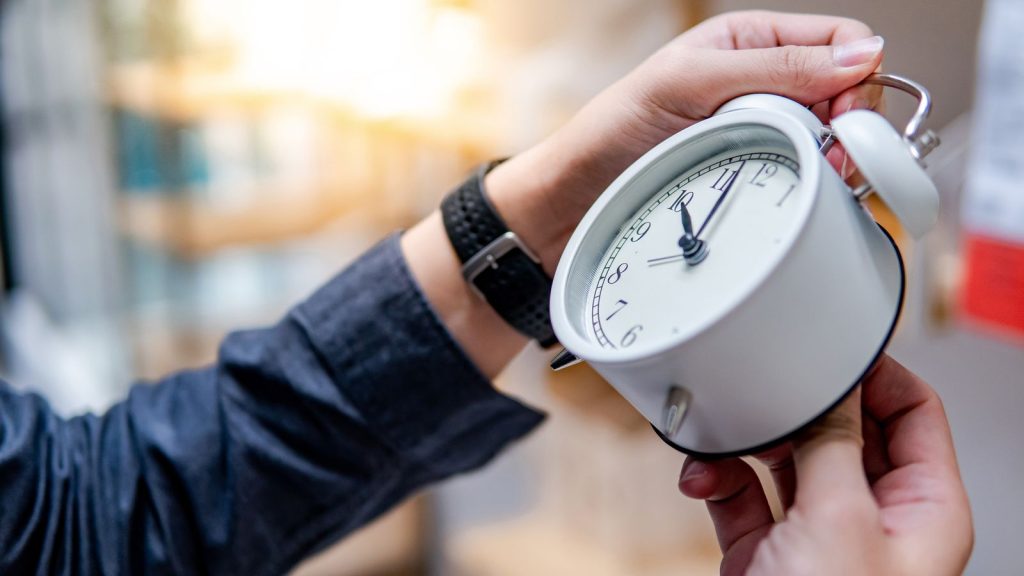
When do the clocks go forward – and should daylight savings be scrapped?
This weekend marks the beginning of daylight saving time in the UK, as clocks will shift forward. The change occurs on Sunday, March 29th, when the time advances by one hour at 1:00 AM, leading to the loss of an extra hour of sleep.
While the adjustment brings longer evenings and shorter mornings, the practice of “Spring forward, fall back” has been in place for over a century. Yet, its continued use remains a topic of significant discussion.
Why do we have daylight saving time?
The transition from Greenwich Mean Time (GMT) to British Summer Time (BST) signals the start of daylight saving time (DST) in the UK. This period runs from the final Sunday in March to the last Sunday in October, when clocks revert an hour.
Though commonly believed to benefit farmers, the origin of DST traces back to George Hudson, a New Zealand entomologist, who proposed the idea in the 1890s. His goal was to extend evening sunlight for studying insects, marking the first serious suggestion of seasonal time adjustments.
By 1907, British inventor William Willett formalized the concept through a pamphlet titled *The Waste Of Daylight*, advocating for a progressive shift of 80 minutes in April and September. However, Willett passed away before his plan became law in the UK.
How does daylight saving time affect your health?
Research indicates that the annual clock changes disrupt circadian rhythms and sleep patterns. Sleep and dream expert Charlie Morley highlighted that the shift can trigger substantial physical and mental strain, as noted in a
“What research shows is what a massive effect on the body and mind, just one extra hour [of sleep] can have,” Mr Morley told Sky News.
A study by the American Heart Foundation reported a 24% spike in heart attacks the day after DST begins. Conversely, the reverse adjustment in autumn has been linked to fewer cases. In Finland, a 2016 analysis found an 8% rise in hospital admissions for strokes during the two days following the time shift.
Mr Morley explained that losing an hour of sleep can intensify brain activity in the amygdala, the region responsible for processing fear. This heightened response may lead to increased irritability and stress, as stated in a
“The interesting thing is when you get a really short amount of sleep, like four hours or less, the fear centre of the brain, known as the amygdala, becomes 60% more active. This can make it seem like everything is annoying, threatening or in conflict. So if you lose an hour of sleep, you might see an increase in the amygdala response, making you more grumpy and tetchy.”
Should daylight saving be scrapped?
The debate over DST has intensified recently, with the British Sleep Society urging the UK government to eliminate the twice-yearly clock changes. Researchers argue that the practice negatively impacts sleep and circadian health, suggesting a return to standard time year-round.
While most countries observe DST, global participation is limited. According to Pew Research Center, only about a third of nations implement it. This has led to calls for reform, including US President Donald Trump, who posted on Truth Social in 2024 advocating for its abolition. His Secretary of State, Marco Rubio, also described the ritual as “stupid.”
Some experts note that the practice may exacerbate seasonal affective disorder (SAD) during the autumn reversal, when the clocks go back. Mental health charity Change warns of worsened symptoms, increased isolation, and disrupted sleep cycles due to reduced daylight hours.
As the UK prepares for the next DST adjustment, the question remains: should this tradition be abandoned for the sake of better health and well-being?