
Stopping weight loss jabs can lead to rapid weight regain in one year, study suggests
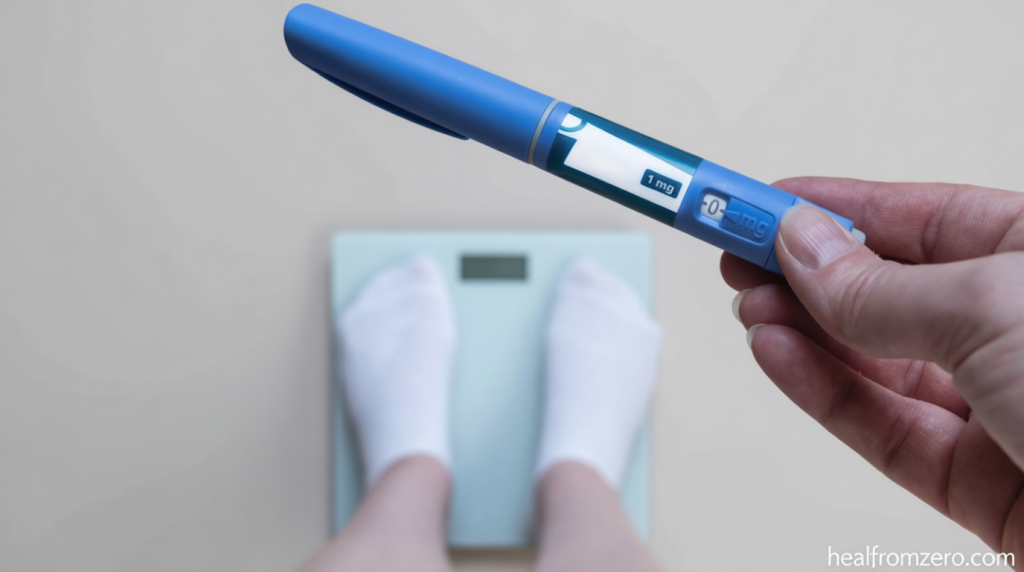
Study Highlights Weight Regain After Stopping Obesity-Targeted Injections
A recent study indicates that individuals using obesity-targeted injections may experience substantial weight restoration within a year of discontinuing treatment. Researchers at the University of Cambridge observed that after ceasing the medication for 52 weeks, participants regained approximately 60% of the weight they had previously lost.
These drugs, classified as GLP-1 receptor agonists, function by replicating the hormone GLP-1 to control blood sugar and insulin. Initially designed for managing type 2 diabetes, specific variants such as semaglutide (Wegovy) and tirzepatide (Mounjaro) are now utilized by the NHS to address obesity. Additionally, a separate investigation involving over 600,000 US veterans with diabetes revealed potential for these injections to mitigate addiction risks to substances like alcohol, tobacco, cannabis, and opioids.
Brain Influence and Addiction Prevention
Experts propose that GLP-1 receptor agonists modulate the brain’s reward system, reducing cravings. This effect was noted to not only prevent substance misuse in non-addicted individuals but also lower the likelihood of overdoses and emergency care visits among those already struggling with addiction.
Brajan Budini, a medical student at the University of Cambridge, remarked:
“Our projections show that even though people regain most of the weight they have lost, they still maintain some of the weight loss. However, we currently don’t know if the same proportion of lean mass is recovered. If the regained weight is disproportionately fat, individuals may ultimately be worse off than before in their fat-to-lean mass ratio, which may have adverse consequences for their health.”
Long-Term Weight Regain Trends
The Cambridge study, which analyzed six trials involving over 3,200 participants, was published in eClinicalMedicine. It highlights that “significant weight regain follows drug cessation” but suggests the regain may stabilize, with 75% of the original loss recovered by 60 weeks. This implies 25% of the weight reduction could be sustained over time.
The US research, published in the British Medical Journal, tracked veterans for three years. It found that those without prior substance abuse had a 14% lower overall risk of developing disorders. Specific reductions were observed in alcohol (18%), cannabis (14%), cocaine (20%), nicotine (20%), and opioids (25%) usage among individuals on GLP-1 receptor agonists.
For veterans already battling substance use disorders, the treatment was associated with a 31% decrease in SUD-related emergencies, hospitalizations, and deaths, as well as a reduced risk of overdoses and self-harm incidents. While the study focused on older men, comparable outcomes were noted in women.