
NASA announces new Mars mission, reshapes goals on the moon
NASA announces new Mars mission, reshapes goals on the moon
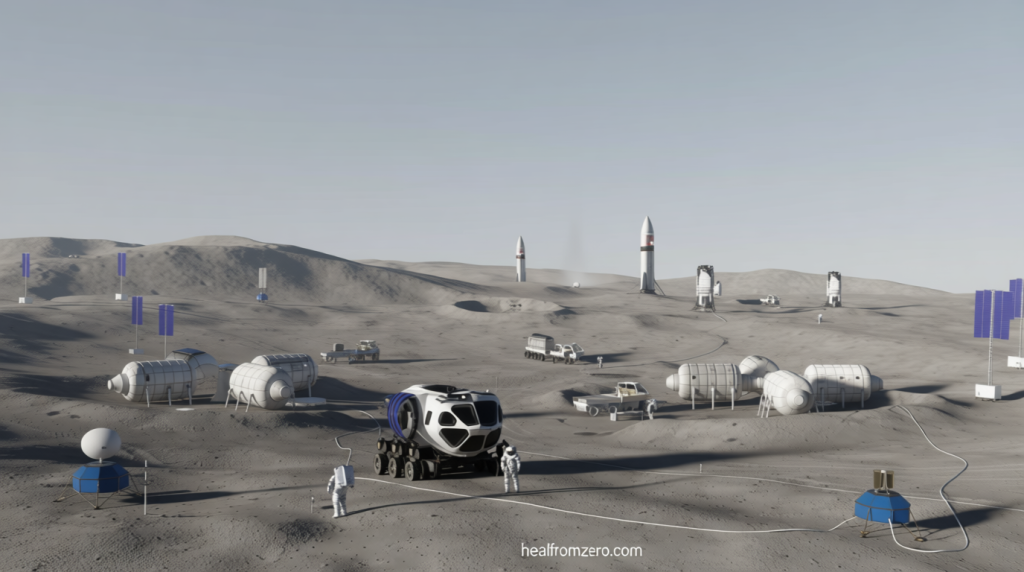
At a gathering in Washington, D.C., NASA’s top official unveiled a bold strategy that redefines the space agency’s priorities, emphasizing a lunar base as a central objective. This marks a pivotal moment for the U.S. space program, as it transitions from vague aspirations to concrete timelines for moon colonization.
The Moon Base Initiative
NASA Administrator Jared Isaacman highlighted that constructing a lunar base requires sustained effort, not immediate results. “We will allocate about $20 billion across seven years and construct it through multiple missions,” he stated during the Ignition event. While the International Space Station (ISS) faces retirement, the agency’s shift to lunar development raises questions about funding reallocation and new investments.
“If we concentrate NASA’s extraordinary resources on the objectives of the National Space Policy, clear away needless obstacles that impede progress, and unleash the workforce and industrial might of our nation and partners,” Isaacman said, “then returning to the moon and building a base will seem pale in comparison to what we will be capable of accomplishing in the years ahead.”
Accelerating Mars Ambitions
Isaacman’s vision includes a groundbreaking nuclear-powered Mars vehicle, targeting a launch by 2028—a significantly expedited schedule compared to traditional space timelines. Simultaneously, the agency plans to reduce reliance on the Gateway space station, reallocating its components to support lunar surface operations directly.
Carlos Garcia-Galan, head of NASA’s Moon Base program, noted that existing Gateway hardware can be repurposed for near-term exploration. This adjustment signals a broader strategy to streamline efforts and prioritize moon-based infrastructure over orbital stations.
Artemis Program and Future Missions
The Artemis program, aimed at reestablishing human presence on the moon, is advancing with clear milestones. Its inaugural crewed mission, Artemis II, is set for April 1, orbiting the moon without landing. The next phase, however, targets a historic return to the lunar surface by early 2028, with plans for annual crewed landings thereafter.
Complementing these goals, NASA seeks to expand robotic lander operations, aiming for monthly deliveries of cargo and scientific equipment. Since January 2024, four landers have been deployed, though outcomes have varied. This increased frequency will support the groundwork for a permanent lunar settlement, working in parallel with crewed missions.
Redefining Partnerships and Contracts
Isaacman has also prioritized efficiency, urging commercial space firms and contractors to meet higher standards. He emphasized avoiding past delays, where billions were spent without proportional progress. Projects like the Orion capsule and Space Launch System rocket, developed by industry partners, now face tighter deadlines and renewed accountability.